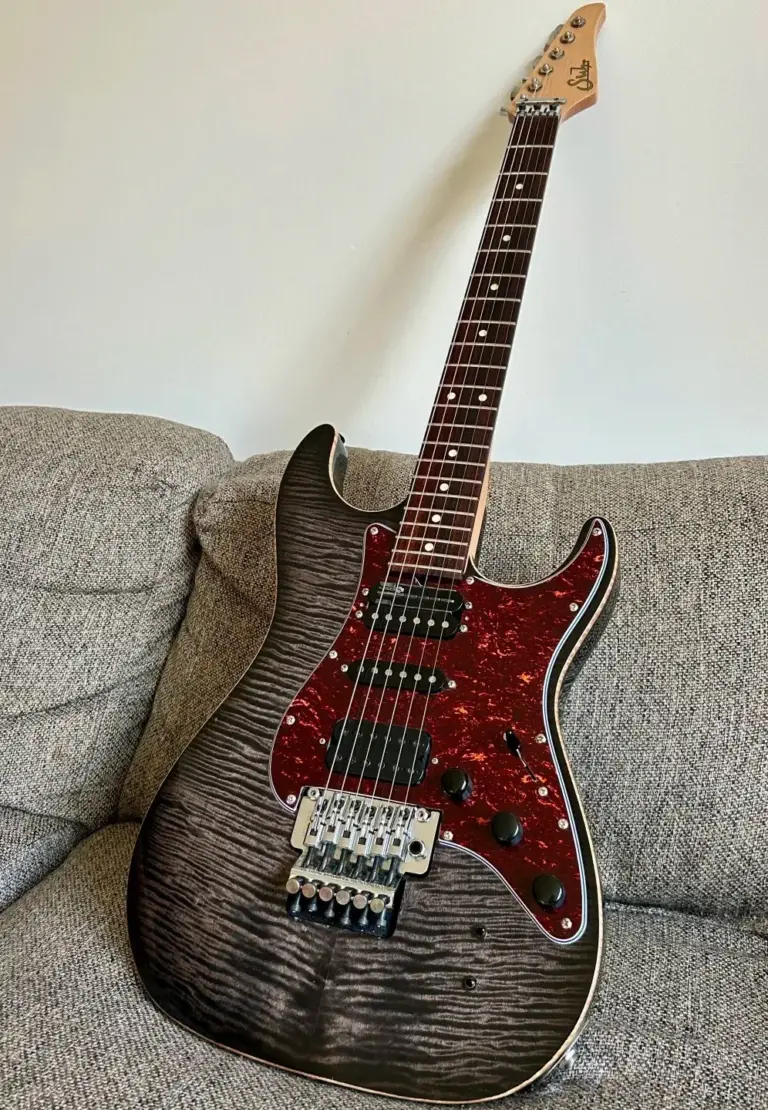
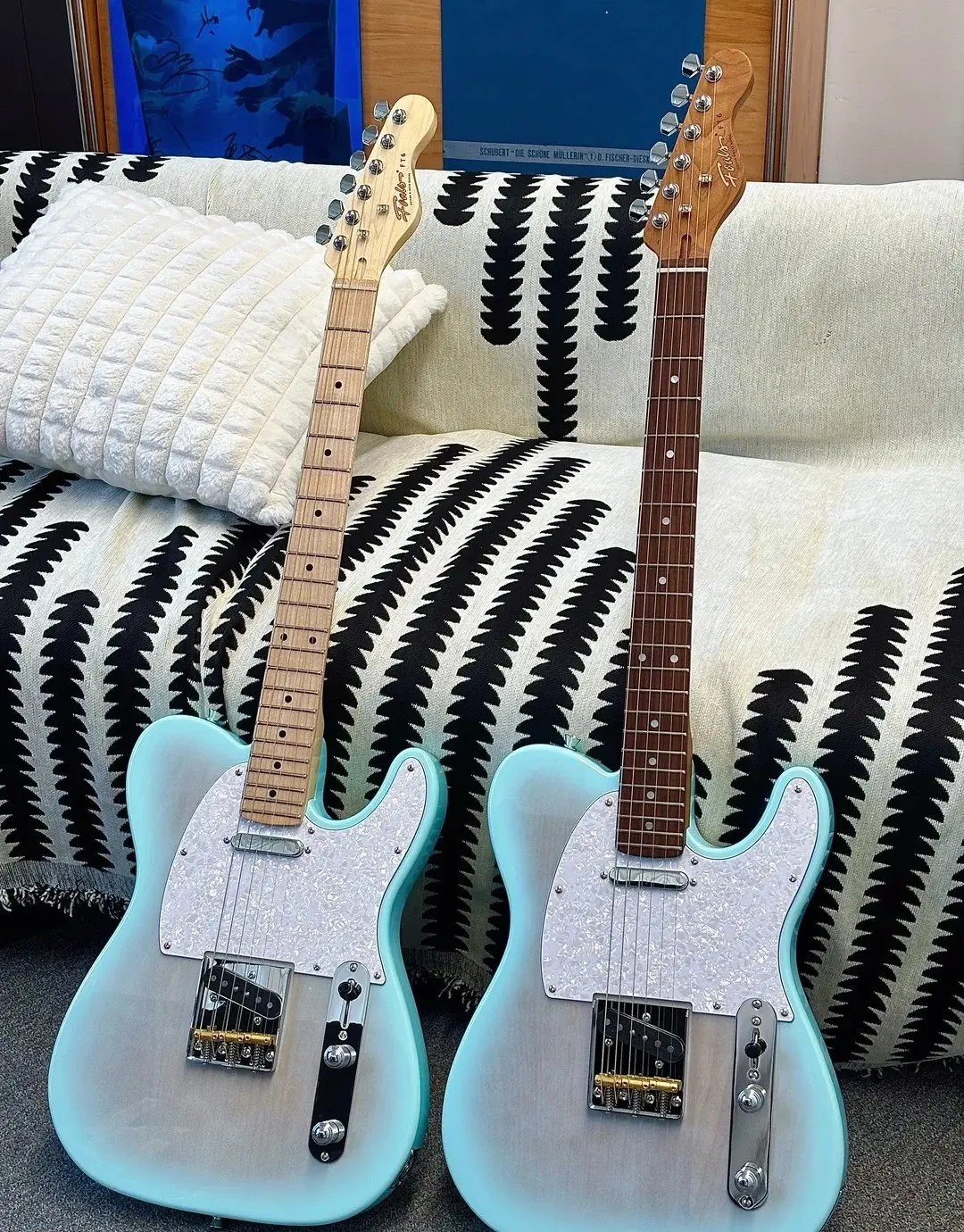
Acoustic vs Electric: Which Guitar Should You Start With?
“Should I start on acoustic or electric?” is the most common beginner question — and the old advice that you “must” start on acoustic is a myth. The right answer depends on you. Here’s how to decide.
The case for electric
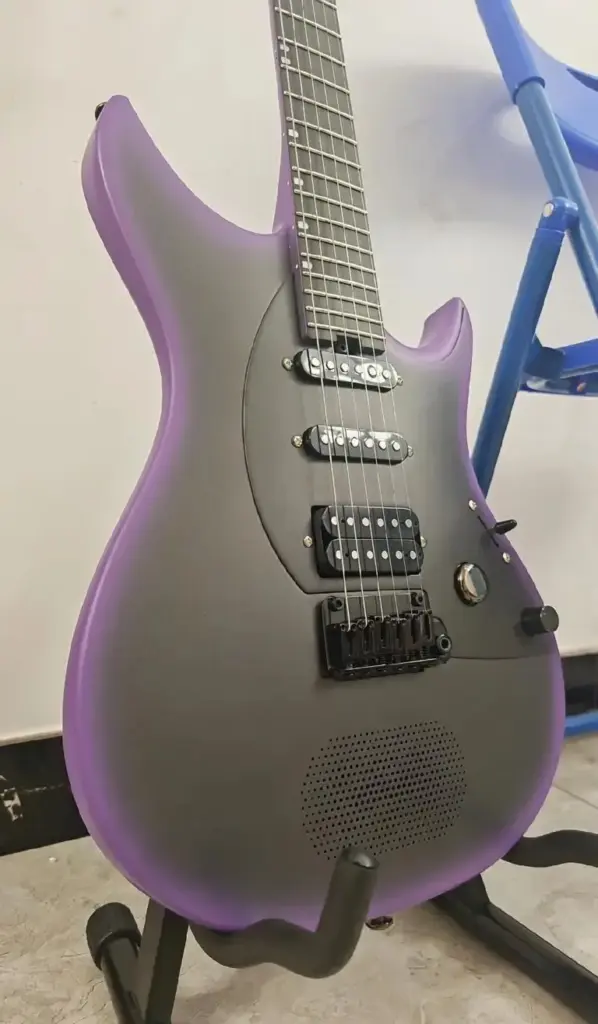
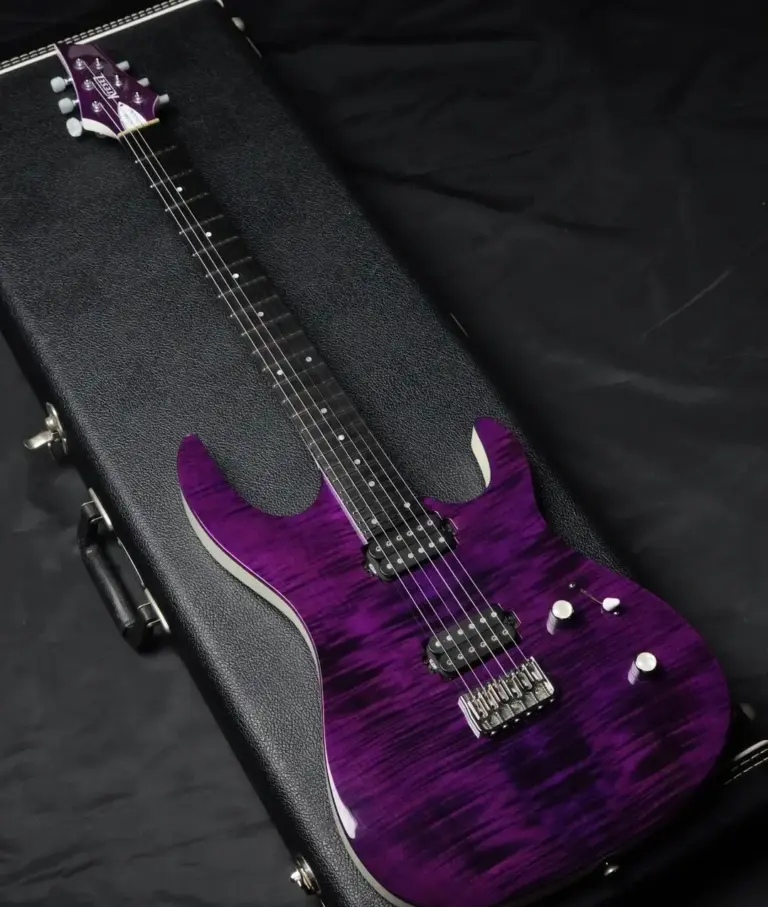
- Easier on the fingers — lighter strings and lower action make fretting and chord changes more comfortable at first.
- Quiet practice — play unplugged or through headphones, ideal for flats and late nights.
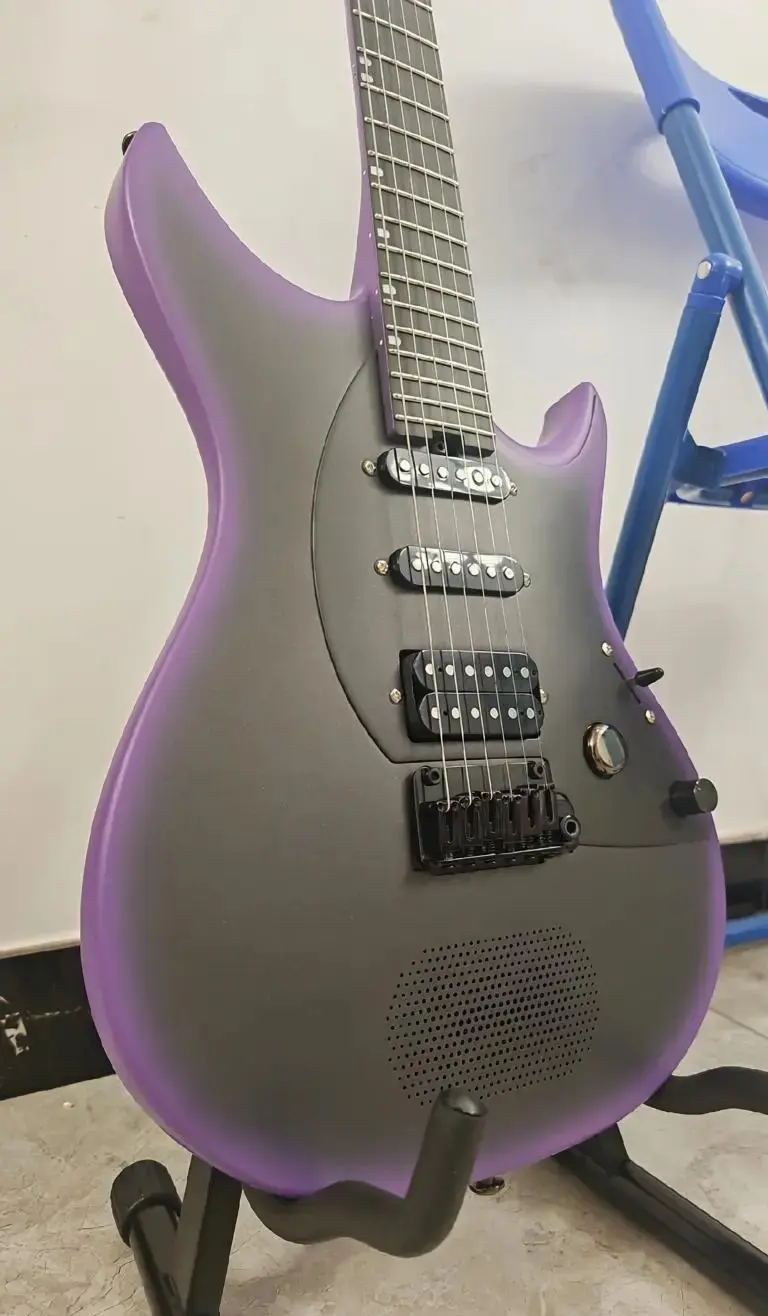
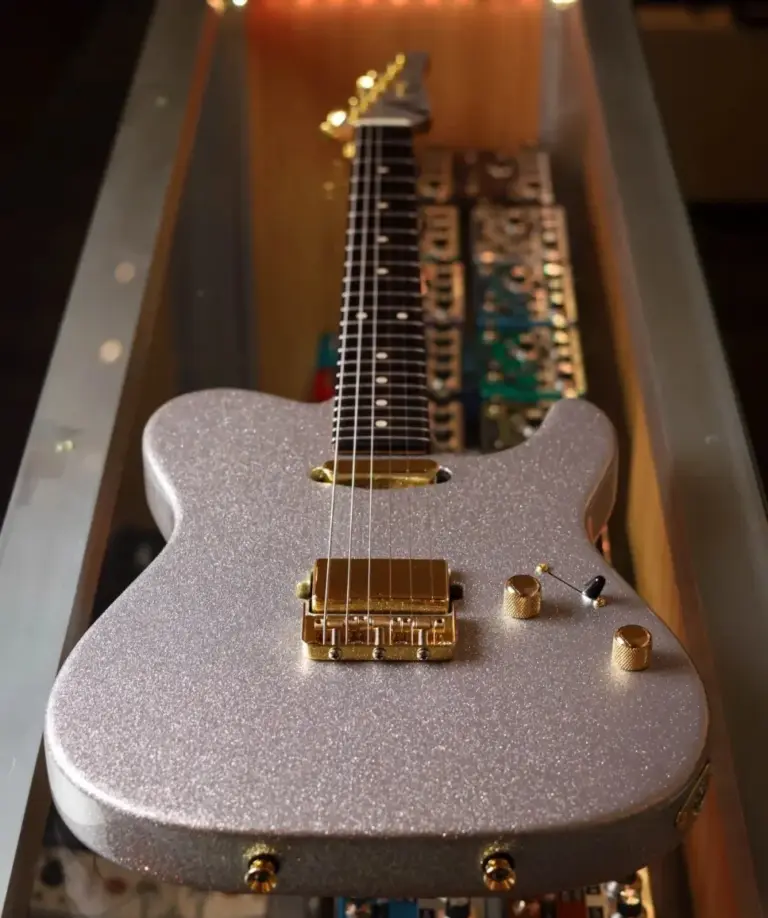
- Motivating — if you love rock, metal or blues, learning on the instrument you actually want keeps you going.
The case for acoustic
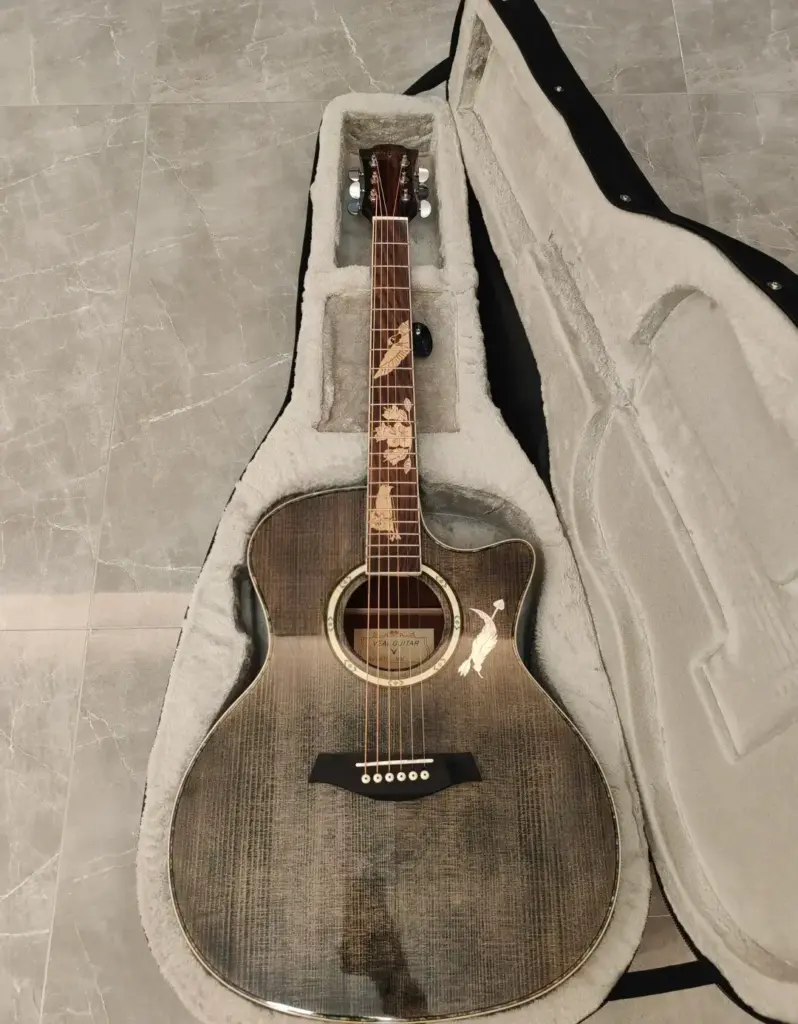
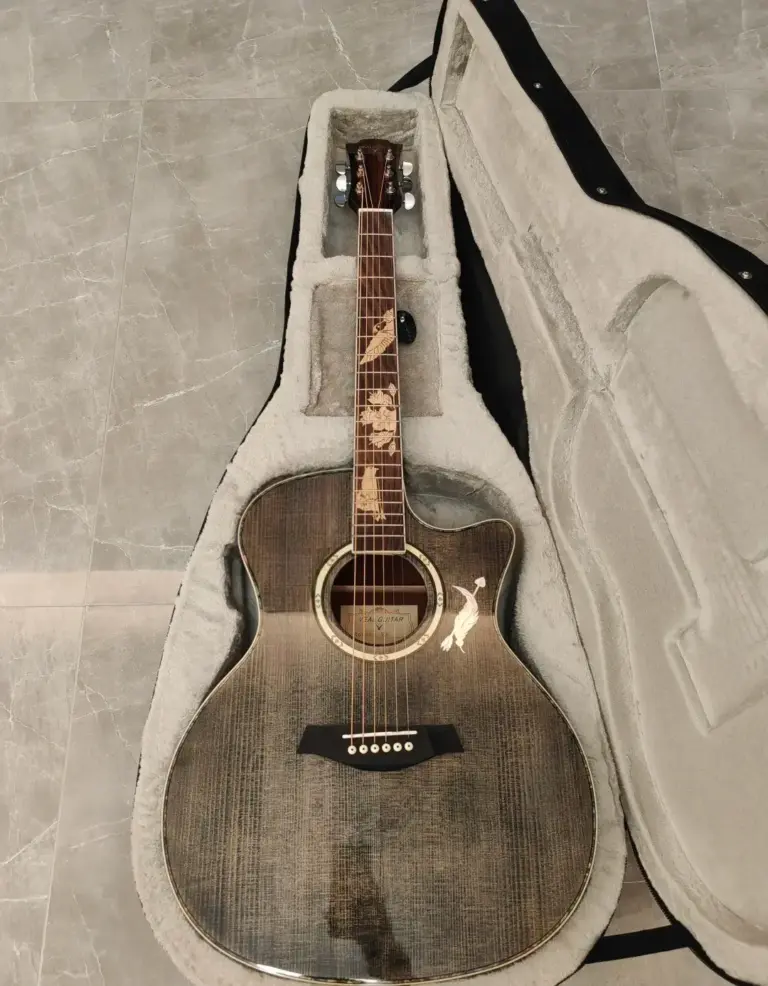
- Grab and play — no amp or cables, always ready.
- Builds finger strength — heavier strings are tougher early but develop technique.
- Cheaper to start — no amp needed, and great for folk, singer-songwriter and campfire playing.
The honest verdict
Choose the instrument that matches the music you want to play — that motivation matters more than any “rule.” If you’re torn, electric is often the gentler physical start, while acoustic is the simpler, cheaper setup. Either way, the fundamentals (chords, rhythm, timing) transfer completely.
The real cost comparison
Price is where many beginners get caught out, because the guitar itself is only part of the bill. An acoustic is ready to play out of the box — you only need the guitar, a tuner, some spare strings and a few picks, so a decent starter setup can come in at a modest total. An electric needs more to make a sound: the guitar, a cable, and an amplifier. A good small practice amp adds to the outlay, though beginner electric-and-amp packs bundle everything sensibly for around the price of a mid-range acoustic.
The gap is smaller than it looks, though. A very cheap acoustic is often harder to play than a modestly priced electric, and a bad first guitar of either type is the fastest way to quit. Spending a little more for a playable instrument matters far more than the acoustic-versus-electric question.
What’s genuinely easier on the hands
Physically, the electric is usually the gentler start. Its strings are typically lighter, the action (the gap between strings and fretboard) is lower, and the slimmer neck makes chords and stretches more comfortable for new fingers. An acoustic, especially a cheap one with high action, demands more finger pressure and builds strength faster — which some players value and others find discouraging in the first few weeks.
None of this is a hard rule. A well set-up acoustic can be very comfortable, and a poorly set-up electric can be a fight. This is why a professional setup — adjusting the action and neck — is the best money a beginner can spend on either type, often turning a frustrating guitar into an inviting one.
Don’t forget the third option: classical/nylon
Between the two sits the classical (nylon-string) guitar, and it’s worth knowing about. Nylon strings are much softer on the fingertips than steel, and the wide, flat neck suits fingerstyle and classical music. The trade-offs are a wider neck that some small hands find a stretch, and a mellow tone that doesn’t suit rock or pop strumming. For a young child or anyone with very sensitive fingers, though, a nylon-string can be the friendliest possible starting point before moving to steel-string acoustic or electric.
FAQ
Is it harder to learn on acoustic or electric?
Electric is usually a little easier physically — lighter strings and lower action make fretting more comfortable. But the core skills (chords, rhythm, timing) are identical on both, so the “harder” instrument is really whichever one demotivates you. Pick the one you’re excited to play.
Can I learn on electric and switch to acoustic later?
Absolutely. Everything transfers — chords, scales, strumming and reading tabs are the same on both. Many players own both and move freely between them. Acoustic will feel a touch stiffer at first, but you’ll adapt within a couple of weeks.
Do I need an amp to practise electric quietly?
You can play an electric unplugged very quietly, and small practice amps with a headphone output let you play at full tone silently. That headphone option is one of the electric’s big advantages for flats and late-night practice.
Whichever you pick
If you go electric, read how to choose your first electric guitar and our amp guide. Then start with beginner chords and easy songs.
En français : apprendre la guitare.
Read next




This page contains affiliate links. If you buy through them, we may earn a commission at no extra cost to you.