
Buying an electric guitar means navigating body shapes, pickups, woods, scale lengths and a dozen brands — all of which shape how the instrument feels and sounds. This guide walks you through everything that actually matters, so you can choose with confidence.
Body types: solid, semi-hollow, hollow
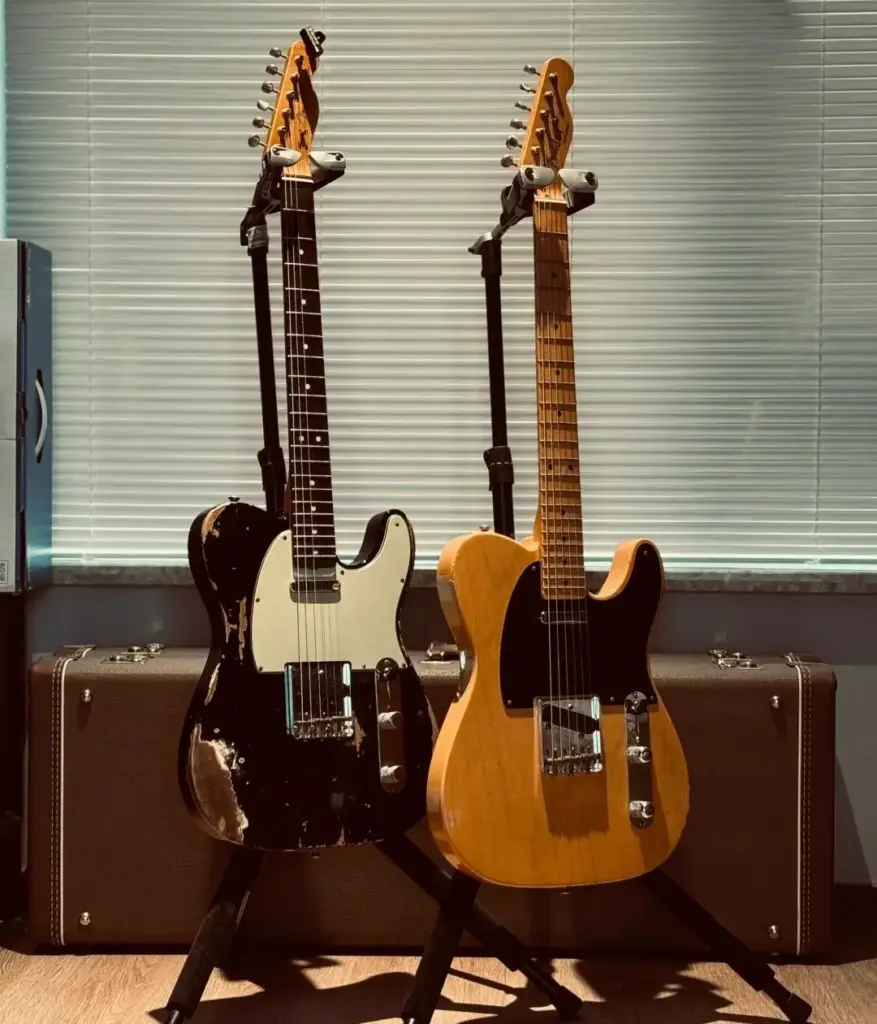
- Solid body — the versatile standard (Stratocaster, Les Paul, Telecaster). Resists feedback at high gain; suits almost every style from blues to metal.
- Semi-hollow — a warmer, more resonant voice with some acoustic character. Favoured in jazz, blues and indie.
- Hollow body — full, airy tone for clean jazz and rockabilly, but prone to feedback when pushed.
Pickups: single-coil vs humbucker
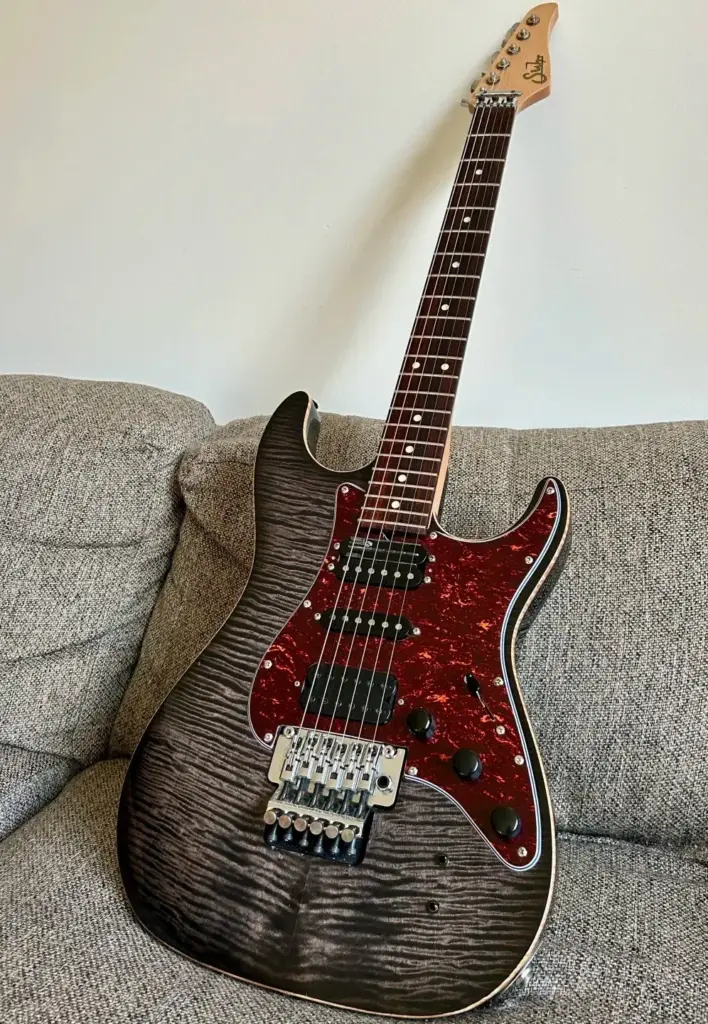
Pickups define your core tone. Single-coils (classic Fender) are bright, clear and articulate, with a slight hum. Humbuckers (classic Gibson) are thicker, louder and noise-free — the rock and metal standard. Many guitars combine both for flexibility.
Tonewoods and construction
Body and neck woods (alder, ash, mahogany, maple) subtly colour the sound and weight. Just as important: build quality, fretwork and hardware. A well-built budget guitar beats a poorly finished expensive one.
Scale length and neck feel
Scale length (the string’s vibrating length) affects string tension and feel — Fender’s 25.5″ is snappier, Gibson’s 24.75″ is slinkier. Neck profile and fretboard radius determine playing comfort, so try before you buy when you can.
Budget tiers
- Beginner (under ~€300): Squier, Harley Benton, Yamaha, Epiphone entry models — genuinely playable today.
- Intermediate (~€300–800): Mexican Fender, Epiphone, Ibanez, Cort — the sweet spot for value.
- Pro (€800+): American Fender, Gibson USA, PRS and boutique builders.
This page contains affiliate links. If you buy through them, we may earn a commission at no extra cost to you.
The major brands at a glance
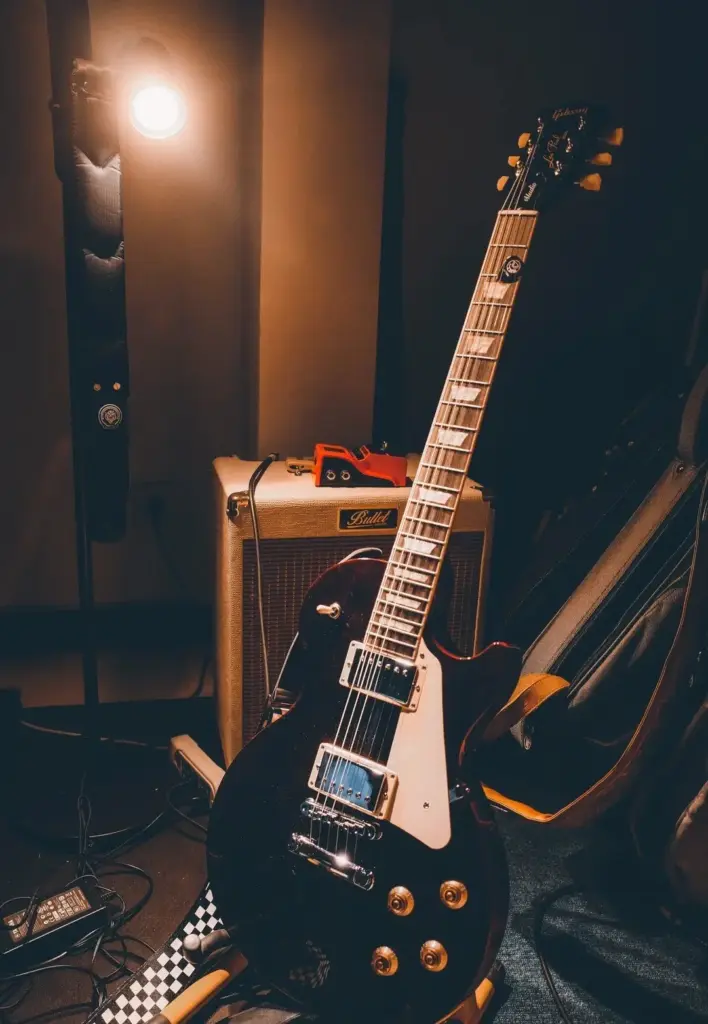
Fender and Gibson set the templates; Squier and Epiphone are their affordable lines; Ibanez excels for fast necks and metal; Yamaha and Cort offer outstanding value; Harley Benton dominates the ultra-budget tier.
Don’t forget the amp
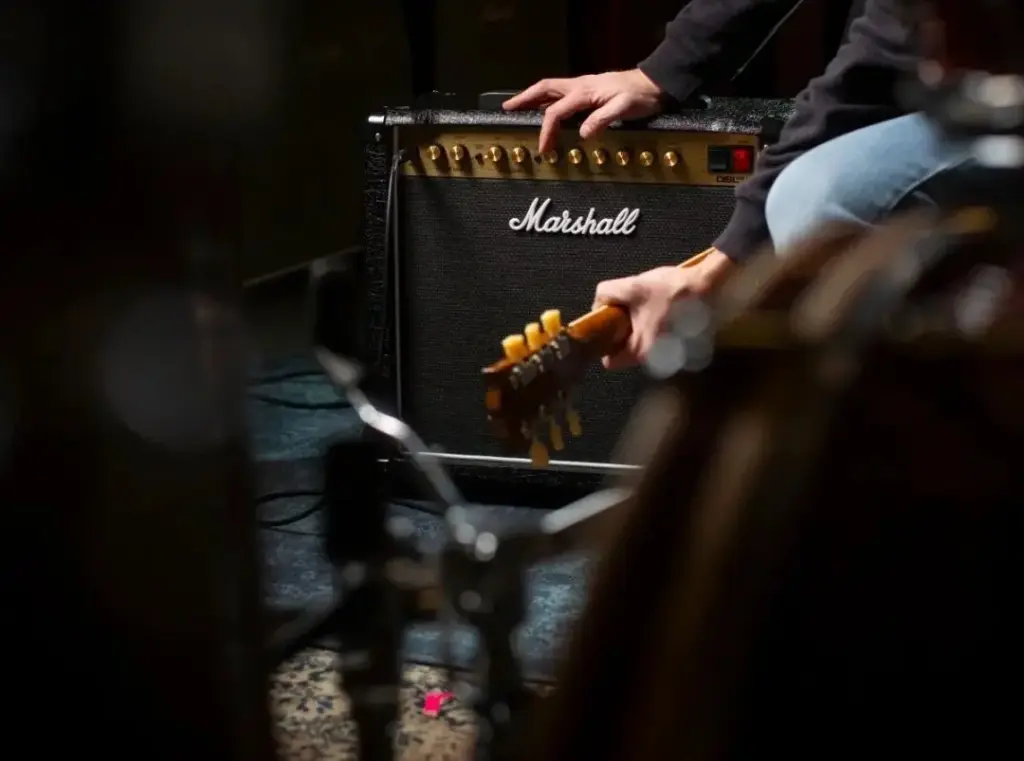
Half your tone comes from the amplifier. Before spending your whole budget on the guitar, read our guide to guitar amps explained, and if it’s your first instrument, see how to choose your first electric guitar.
Lecteur francophone ? Retrouvez tous nos guides matériel sur notre rubrique matériel guitare.
Owner reviews and gear guides
Spec sheets tell you what a guitar has; owners tell you what it is like to live with. Every review below is built from long-term owner feedback and forum consensus rather than from manufacturer copy. Start with the Yamaha Pacifica and Squier Classic Vibe if you want the two safest first electrics, then read the buying mistakes guide before you spend anything.
- Best First Acoustic Guitar Under $200 (Owner Picks)
- Single-Coil vs Humbucker, Explained by Players
- Just Get It Set Up: The Advice Every Forum Repeats
- Squier vs Epiphone: What Owners Say After Living With Them
- Best First Guitar Amp Under $200 (Owner Picks)
- Epiphone Inspired by Gibson: As Good as Gibson Now?
- Beginner Guitar Buying Mistakes (What Teachers Actually Say)
- Harley Benton: Is It Worth Importing? (Owner Reviews)
- PRS SE: Owner Reviews of the Value-for-Money Favorite
- Boss Katana: Why Forums Call It the Best Practice Amp
- Yamaha Pacifica 112V: The Beginner Guitar Forums Love
- Squier Classic Vibe vs Affinity: What Owners Actually Say
- Squier vs Epiphone: Best Budget Brands Compared
- Essential Guitar Accessories for Beginners
- Understanding Guitar Pickups: Single-Coil vs Humbucker
- Best Guitar Amps for Home Practice
- Best Electric Guitars Under $500
- Fender vs Gibson: The Eternal Debate
All articles: Gear & Reviews →
How we pick what we recommend
We do not run lab tests. We read owner reviews on the big retailers, long-running forum threads about known defects, and what teachers tell their students to buy. A model only gets recommended when those sources agree over months. Partner links may earn us a commission at no extra cost to you, and never change the order of our picks.