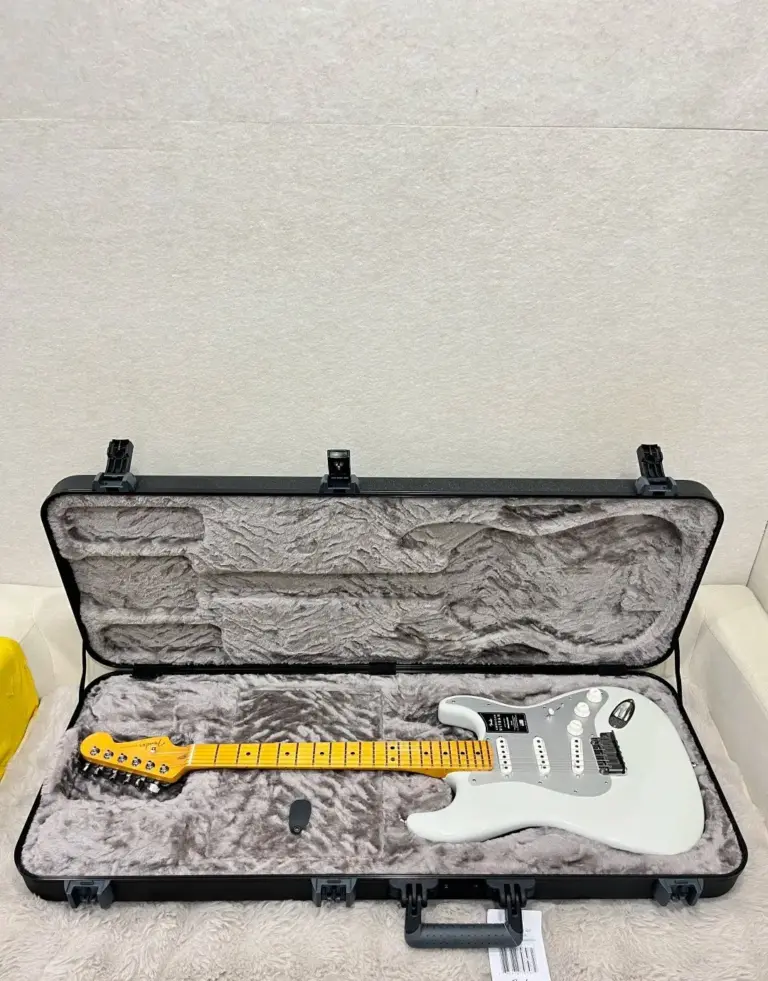

Harley Benton: Is It Worth Importing? (Owner Reviews)
Harley Benton has a cult following in English-speaking forums for one reason: the value is almost unbelievable. But there’s a catch most buyers outside mainland Europe hit fast — it’s a Thomann house brand, sold only through Thomann in Germany. So getting one usually means importing. Here’s an honest round-up of what owners report, and whether it’s actually worth it.
Where these takes come from
A synthesis of recurring opinions across English-speaking communities (r/Guitar, Ultimate Guitar) and buyers in the UK, US, Canada and Australia who’ve gone through the import process — not just first impressions.
Why owners rave about Harley Benton
Value that’s hard to believe
The near-universal verdict: for the money, nothing touches it. Fit and finish frequently punch well above the price, across a huge range of shapes and styles.
Models you can’t get locally
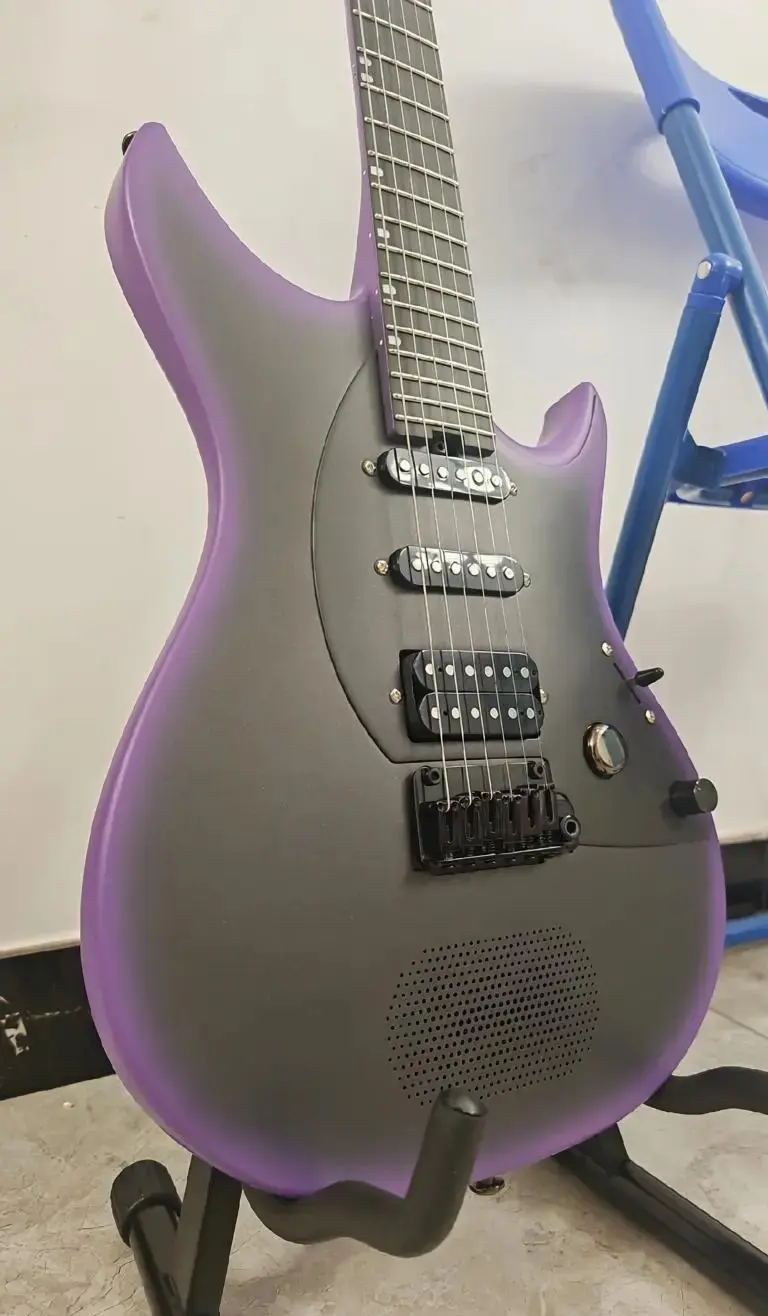
Many owners import specifically because the model they want — a multiscale, a 7-string, an offset — simply isn’t stocked at that price by local brands.
The import realities (the part that matters)
1. UK buyers: post-Brexit fees
Since Brexit, UK orders can attract import VAT and handling fees. Thomann is generally transparent about this at checkout, but it erodes part of the saving — always check the landed price, not just the sticker.
2. US/Canada/Australia: shipping, duties and no local warranty
Thomann does ship worldwide, but shipping plus possible duties add up, and there’s no local service network — a warranty issue means shipping back to Germany. Owners say this is the biggest practical drawback.
3. Amps: watch the voltage
The most repeated warning: don’t import a mains-powered amp expecting it to work on a different voltage (230V EU vs 120V North America). Guitars are fine; amps are a headache. Stick to local amps — see our home practice amp picks.
4. The QC “lottery” meets expensive returns
HB quality is usually great but variable. Combine that with international return shipping and the “just send it back” safety net is far less convenient than for a local purchase.
The models that come up most, side by side
Harley Benton’s catalogue is enormous, so here are the models that dominate the import threads, next to the local alternatives owners most often weigh them against. Harley Benton prices are set in euros on Thomann’s site, so the dollar figures below are rough conversions before shipping and any duties; treat them as wide ranges observed in 2026 and check current listings for your country.
| Model | Best for | Strengths | Weaknesses | Price range observed 2026 |
|---|---|---|---|---|
| Harley Benton ST-20 / ST-62 (Strat style) | A first guitar on the tightest budget | Unbeatable sticker price, familiar shape, easy to mod | Basic tuners and pickups; shipping can nearly double the landed price of a $100 guitar | Roughly $100–$200 before shipping, check current listings |
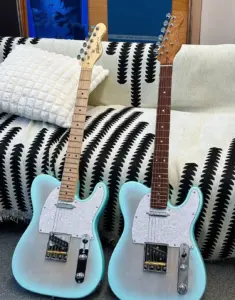
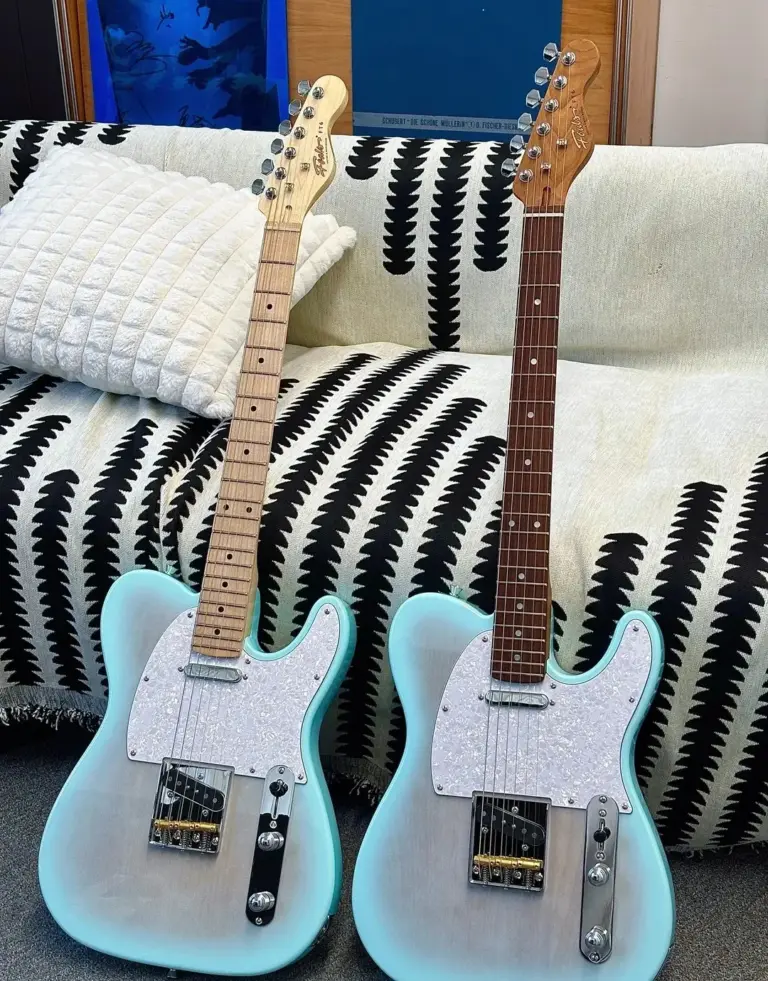
| Harley Benton TE-52 (Tele style) | Vintage-Tele fans, country and indie players | Well-liked vintage-style spec, consistent fretwork reports | Bright pickups need some amp EQ; simple hardware | Roughly $150–$250 before shipping, check current listings |
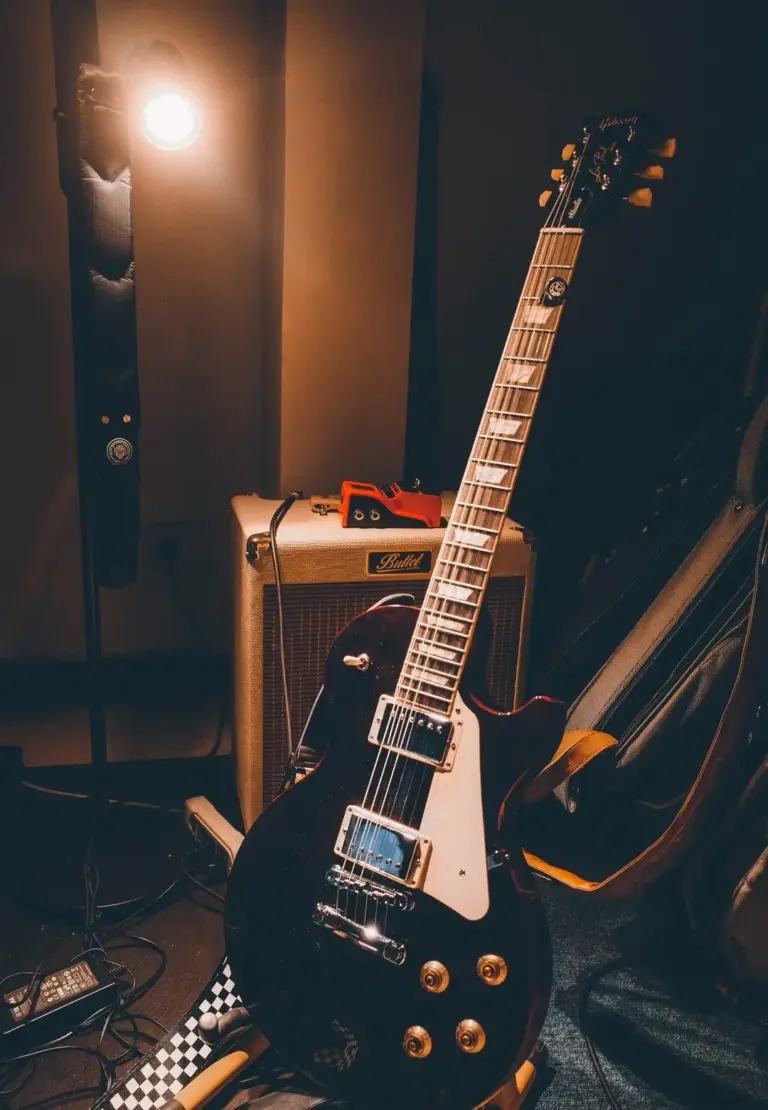
| Harley Benton SC-450Plus (Les Paul style) | Rock and blues players | Flamed top, set neck, looks far above the price | Heavy; nut and fret ends are the usual QC weak spots | Roughly $200–$300 before shipping, check current listings |
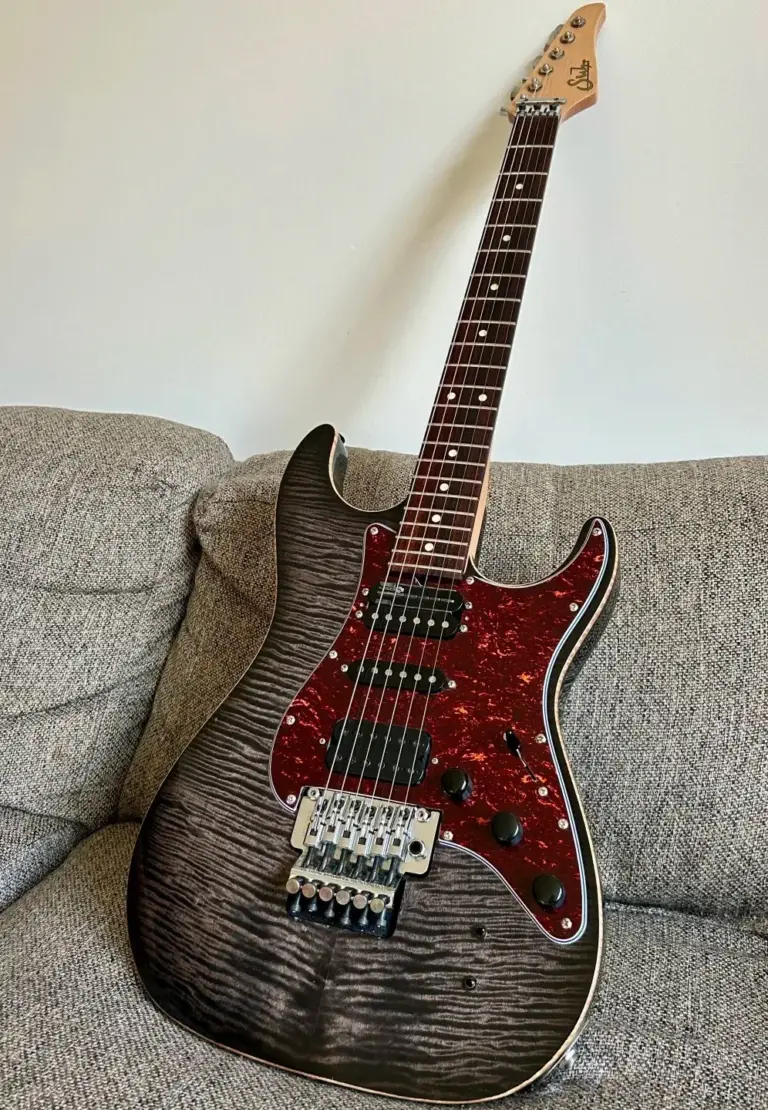
| Harley Benton Fusion-III (modern HSS/HH) | Modern players wanting a “super-Strat” spec | Roasted maple neck, stainless frets and locking tuners at a price no big brand matches | Higher price means duties bite harder; returns cost more | Roughly $350–$550 before shipping, check current listings |
| Harley Benton Amarok-6 and multiscale models | Metal players after extended-range or fanned-fret specs | Specs you simply cannot buy locally near the price | Niche resale; check neck, nut and fret ends carefully on arrival | Roughly $450–$650 before shipping, check current listings |
| Squier Affinity Stratocaster (local) | US/UK beginners who want easy returns | Local warranty, in-store setup, huge used market | Less spec for the money | Roughly $200–$300, check current listings |
| Yamaha Pacifica 112V (local) | The “safe” first guitar | Legendary consistency, versatile HSS layout | Plain looks | Roughly $300–$380, check current listings |
This page contains affiliate links. If you buy through them, we may earn a commission at no extra cost to you.
So, is it worth importing?
Within Europe (and often the UK): usually yes — the value holds even after fees. From the US/Canada/Australia: do the math on the landed price including duties; for a unique model it can still win, but for a standard Strat/Tele/LP shape, a local Squier, Yamaha or Epiphone — with local warranty, setup and easy returns — is frequently the smarter buy. And never import an amp for the voltage reason.
Before you order: the checklist
Most of the disappointment I read about in import threads comes from things that could have been checked in five minutes before clicking “buy”. Here is the list I would run through. Exact shipping costs, delivery times, the return window and who pays return postage change over time and by country, so treat these as conditions to check on Thomann’s site at the moment you order, not facts you can rely on from an old forum post.
- Work out the landed price, not the sticker. Add shipping, then the import VAT or sales tax, any duty, and the courier’s handling fee. In the UK this is where a chunk of the saving disappears; in the US, the duty treatment of parcels has changed several times in recent years, so check the current rules rather than trusting a thread from two years ago.
- Read the return conditions for your country. Thomann has a good reputation for customer service, but the practical question is whether you would pay to ship a guitar back across a border if it arrived with a problem. Check how long you have, what counts as returnable and who pays the postage before you order.
- Keep anything mains-powered out of the basket. Guitars, 9V-powered pedals and accessories travel fine. An amp built for 230V will not simply work on 120V, and a step-up transformer adds cost and hassle. Buy amps locally.
- Add a gig bag or case to the order. Harley Benton guitars ship in a cardboard box; owners regularly recommend ordering a bag in the same shipment so the guitar is protected from day one.
- Compare with the local option one last time. For a standard Strat, Tele or Les Paul shape, run the landed price against a Squier, Yamaha or Epiphone you can try in a shop. Our Harley Benton vs Squier comparison walks through that exact decision.
What to check when it arrives
The “QC lottery” is real but manageable if you inspect the guitar properly in the first days, while a return is still an option. Owners who do this catch the rare dud early; the ones who leave the box closed for a month are the ones writing the sad threads.
- Neck and frets: sight down the neck for a twist or an obvious bow, then play every fret on every string and listen for buzz or dead notes. Sharp fret ends are the most common Harley Benton complaint after a winter shipment; they are fixable with a fret-end file, but decide whether you want to do that on a new guitar.
- Nut slots: a high nut makes the first frets hard to play and is a frequent reason a cheap guitar “feels stiff”. Press each string at the third fret and check there is only a hair of clearance over the first fret.
- Electronics: plug in and work every switch position and knob, listening for crackle or dropouts.
- Hardware: tuners that slip, a bridge sitting at an odd angle, loose strap buttons or output jack.
Most of the smaller issues (high action, slightly off intonation, a dry fretboard) are setup, not defects. A professional setup is often the difference between a Harley Benton that gets forgotten in a corner and one that gets played every day, which is why “just get it set up” is the one piece of advice every forum agrees on.
The upgrades that make sense on a Harley Benton
Because the base price is so low, Harley Bentons are among the most modded guitars on the forums. The upgrades owners say genuinely change the experience are the tuners (a decent set of locking tuners cures most tuning drift), a well-cut nut, and on the cheapest models the pickups, which are usually the weakest link. On the Fusion series, owners mostly leave the guitar alone, since the stock parts are already good. My advice: play it for a month first. The mod that fixes something you have noticed is worth it; the mod that fixes something a video told you about usually isn’t. And if this is your first guitar, run through our list of beginner guitar buying mistakes before you spend anything on parts.
My honest take
Harley Benton deserves its reputation, but the “is it worth it?” answer depends entirely on where you live. In Europe it’s a no-brainer; from across an ocean, factor in shipping, duties and the lack of local support — and keep amps off the import list. Compare with our best under $500.
Riffbound verdict
Who it’s for: European and UK buyers, and anyone anywhere who wants a specific spec (multiscale, 7-string, offset, stainless frets, roasted neck) that no local brand offers at the price.
Who should skip it: US, Canadian and Australian buyers after a standard Strat, Tele or Les Paul shape, anyone who needs a local warranty and painless returns, and absolutely anyone thinking of importing an amp.
The alternative worth a look: the Yamaha Pacifica 112V, the safest first guitar you can buy locally almost anywhere.
Based on owner and teacher feedback, no paid testing. How we review.
FAQ
Does Thomann ship to the US/UK?
Yes, worldwide. UK orders may incur import VAT/handling; US/Canada/Australia orders add shipping and possible duties — check the total at checkout.
Will the warranty cover me abroad?
Service runs through Thomann in Germany, so a claim means shipping back — manageable but slower and costlier than a local purchase.
Should I import a Harley Benton amp?
Generally no: mains voltage differs between regions. Import guitars if anything; buy amps locally.
Is it still cheaper after import costs?
Often yes within Europe; from further afield, sometimes — run the landed-price math against a local established brand before deciding.
How long does delivery take outside Europe?
It varies by country and shipping method, and customs clearance can add days. Rather than trusting a figure from a forum, check the estimate Thomann shows for your address at checkout, and keep the tracking number handy for customs queries.
Which Harley Benton models are the safest bets?
From owner feedback, the Fusion series and the mid-range SC and TE models get the most consistent praise; the very cheapest models are fine as a first guitar but need more setup attention. If you play heavier styles, our best metal guitars for beginners guide puts the extended-range models in context.
Sources and method
This synthesis is based on owner and teacher feedback read on the following communities (consulted in 2026), together with the shipping, return and warranty conditions published on Thomann’s own site, which change over time and should always be re-checked before ordering:
- r/Guitar (owner feedback, very high volume, many import threads)
- Ultimate Guitar (reviews and forums)
- The Gear Page (in-depth gear discussion)
- Manufacturers’ official spec sheets (thomann.de for Harley Benton, fender.com, yamaha.com)
We receive no free gear and no brand reads our articles. Merchant links are affiliate links: how we work.