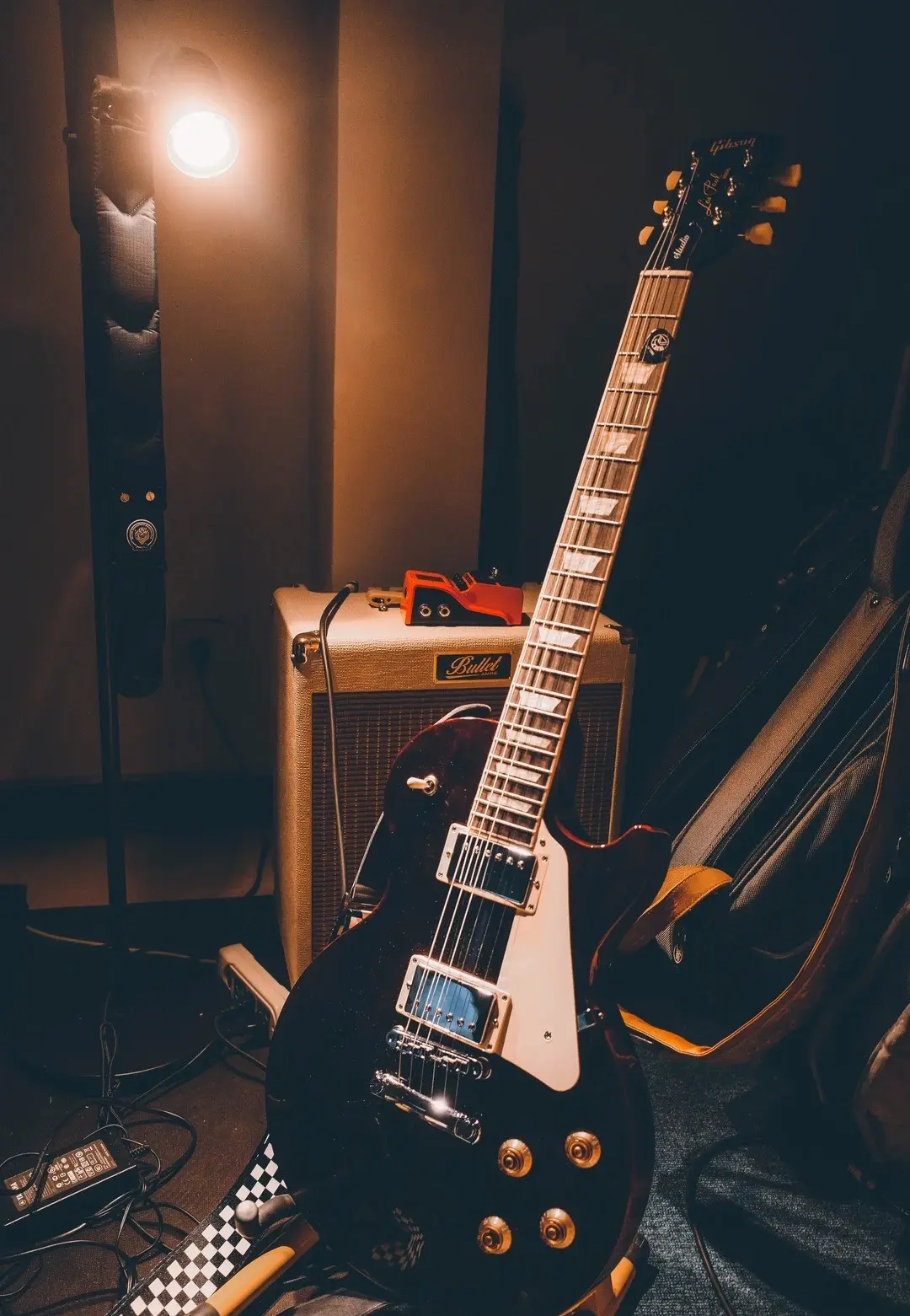
Epiphone Inspired by Gibson: As Good as Gibson Now?
For years, “Epiphone” meant “the cheap Gibson.” Then came the Inspired by Gibson relaunch — new Kalamazoo headstock, better fretwork, ProBucker pickups — and English-speaking forums have been arguing ever since: are they finally as good as a Gibson? Here’s an honest round-up of what owners actually report.
Where these takes come from
A synthesis of recurring opinions from English-speaking communities (r/Guitar, The Gear Page, Ultimate Guitar) and owner reviews, with a clear split between the modern Inspired by Gibson line and the older/cheaper Epiphones.
What owners love
The modern line is a genuine step up
The most repeated point: the Inspired by Gibson models are the best Epiphones ever made. Owners praise the Gibson-style headstock, cleaner fretwork, ProBucker pickups and improved finishes — a real jump over the previous generation.
The Les Paul tone for a fraction of the price
Fat humbuckers, big sustain, that unmistakable rock/blues voice — for a price that makes many say “you’d be crazy to pay three times more.” Gig-ready and record-ready out of the box for most players.
Real value across SG, LP and more
The Standard 50s/60s Les Pauls and the SG Standard come up constantly as smart buys that punch well above their price.
What owners flag
1. Weight and the occasional neck dive
It’s a Les Paul: it’s heavy. The most common gripe, especially standing up for long sets.
2. It still isn’t a Gibson
Wood selection, finish (gloss vs nitro), and the last few percent of fret-level consistency separate them. The gap has narrowed a lot — but it exists, and you feel it at the top end.
3. QC still has occasional outliers
Most are excellent, but a few owners report a dud. The advice is the same as always: inspect on arrival or buy somewhere with easy returns.
4. Pickups: great, but some still swap
ProBuckers are well-liked, yet a minority change them to taste. An easy, optional upgrade rather than a fix.
The Inspired by Gibson models side by side
Here are the models that come up most in owner threads, with two Gibsons at the bottom as the reference point everyone compares against. Prices are wide ranges observed in 2026 for new guitars; they move with finishes and promotions, so check current listings.
| Model | Best for | Strengths | Weaknesses | Price range observed 2026 |
|---|---|---|---|---|
| Epiphone Les Paul Standard 50s | Classic rock and blues; players who like a fuller neck | ProBucker pickups, rounded 50s neck, the “default” recommendation | Heavy; the occasional finish or fret outlier | Roughly $550–$750, check current listings |
| Epiphone Les Paul Standard 60s | Players who want a slimmer neck | Same build with a SlimTaper neck and a slightly hotter bridge pickup | Same weight caveats as the 50s | Roughly $550–$750, check current listings |
| Epiphone Les Paul Studio | Budget-conscious buyers who care about sound over looks | Same core Les Paul voice at the lowest price in the family | Plainer appointments, no binding, different pickups from the Standard | Roughly $400–$550, check current listings |
| Epiphone Les Paul Classic | The versatility seeker | Coil-split push/pull pots add usable single-coil-style tones | Less “classic” looking; still a heavy guitar | Roughly $500–$650, check current listings |
| Epiphone SG Standard | Players who find the Les Paul too heavy | Light, easy upper-fret access, snappier and more aggressive voice | Neck dive is a known SG trait | Roughly $450–$600, check current listings |
| Epiphone Les Paul Custom | Looks: binding, block inlays, the “Black Beauty” style | Standard-level tone with the flashiest appointments | Heaviest of the family; price drifts toward used-Gibson territory | Roughly $650–$800, check current listings |
| Gibson Les Paul Studio (reference) | Players who want the USA build and nitro finish at Gibson’s entry point | USA build, nitro finish, resale value | Two to three times the Epiphone price for plain looks | Roughly $1,400–$1,800, check current listings |
| Gibson Les Paul Standard 60s (reference) | The “forever” purchase | The real thing: fit, finish, nitro, resale | The price, and it is still heavy | Roughly $2,500–$3,000, check current listings |
This page contains affiliate links. If you buy through them, we may earn a commission at no extra cost to you.
Epiphone vs Gibson, in 2020s reality
The community consensus: a modern Inspired by Gibson Epiphone gives you roughly 90% of the experience for a fraction of the price. Gibson still justifies itself for the ultimate fit and finish, nitro finishes, USA build and resale value. For nearly everyone else, the Epiphone is the value pick — see our Fender vs Gibson breakdown.
Which Inspired by Gibson model for which player
The question I get most often isn’t “Epiphone or Gibson” but “which Epiphone”. The range is wide enough that picking the wrong one is the main reason behind the disappointed threads. The short version:
- Les Paul Standard 50s or 60s: the default choice, and the difference is mostly the neck. The 50s has a rounder, fuller profile; the 60s has the slimmer SlimTaper. If you have smaller hands or come from a Stratocaster, start with the 60s; if you like something to hold on to, the 50s.
- Les Paul Studio: the same core tone with plainer looks, for players who care about sound rather than binding. It’s the model I usually suggest when the budget is tight and the goal is a good Les Paul, not a pretty one.
- Les Paul Classic: the sleeper pick. Its coil-split push/pull pots add a usable single-coil-style flavour, which makes it the most versatile of the family.
- SG Standard: lighter, easier upper-fret access, a snappier and more aggressive voice. Owners who find the Les Paul too heavy usually end up here.
- Les Paul Custom: the looks, the binding, the block inlays; tonally close to the Standard, so it’s a cosmetic decision.
If you are still deciding whether a Les Paul shape suits you at all, our Les Paul vs Stratocaster for beginners guide is the place to start.
New or used: what to check on an Epiphone
Because the Inspired by Gibson relaunch happened in 2020, the used market now mixes two generations, and the difference matters. Before you buy used, confirm you are looking at the modern line: the Kalamazoo-style headstock is the quickest tell, along with ProBucker pickups on the Standard and Classic models. Older Epiphones are perfectly playable guitars, but they should be priced like older Epiphones.
On any used Les Paul or SG
- Headstock: look closely at the area behind the nut for any sign of a repaired crack. The angled headstock is the classic weak point when a guitar falls off a stand. A well-repaired one is playable, but it should be much cheaper.
- Neck relief and frets: sight down the neck, then check for flat spots or divots on the first frets and for buzz higher up.
- Electronics: work every pot and the toggle switch; scratchy pots are cheap to fix but tell you how the guitar was stored.
- Weight: pick it up. Les Pauls vary a lot from one example to the next; if you’ll be standing for long rehearsals, a lighter example is worth paying a little more for.
On a new one
Inspect on arrival, as the community advice already says, and plan for a setup. The factory action is often a touch high and the nut slots can be tight; both are quick fixes for a tech and make a bigger difference than any part swap. The reasons are laid out in why “just get it set up” is the best advice in guitar.
The upgrades that matter
The modern Epiphones need less than people assume. From the threads I read, the upgrades that consistently earn their keep are a proper setup, a bone or well-cut synthetic nut if the stock one is binding, and, for players with a specific sound in mind, a pickup swap, which is the classic Epiphone mod and is easy on a two-humbucker guitar. Tuners are a matter of taste; the stock ones hold tune fine on most examples. Skip the “upgrade everything on day one” approach: play the guitar for a month, then change only what bothers you. For a primer on what pickups actually change in the sound, see our single-coil vs humbucker guide.
Which amp to pair it with
A Les Paul or SG with ProBuckers wants an amp with a good crunch channel. For home use, a modelling combo like the Boss Katana or the Fender Mustang LT covers clean to heavy, and the humbuckers drive the gain models convincingly; see our Boss Katana owner reviews for the most popular option. If you already have a small tube amp, this is exactly the guitar that makes it sing. What to avoid: a very bright, low-headroom practice amp that turns the neck humbucker into mud at anything above bedroom volume.
My honest take
Yes — the modern Inspired by Gibson Epiphones are good enough that most players never need a Gibson. Buy the modern line (not the oldest budget tiers), accept the weight, inspect on arrival, and you’ve got a serious guitar. Compare with our PRS SE reviews if you want a different flavor of value.
Riffbound verdict
Who it’s for: any player who wants the Les Paul or SG sound and feel at a price that leaves money for a good amp, and intermediate players upgrading from an entry-level guitar.
Who should skip it: players who hate weight (look at the SG or a Strat-style guitar instead), and anyone for whom nitro finishes, USA build and resale value matter more than tone per dollar.
The alternative worth a look: the PRS SE Custom 24, a lighter and more versatile take on a humbucker guitar at a similar price.
Based on owner and teacher feedback, no paid testing. How we review.
FAQ
Are Inspired by Gibson Epiphones really better than older ones?
Clearly, yes: headstock, fretwork, pickups and finishes all improved. It’s the line to look for.
Is an Epiphone as good as a Gibson now?
Close — around 90% for most players, at a fraction of the price. Gibson keeps the edge for the ultimate build, nitro finish and resale.
Which Epiphone should I get?
A modern Inspired by Gibson model (Les Paul Standard 50s/60s, SG Standard) for the best balance of tone, build and value.
Do I need to swap the pickups?
Usually not — ProBuckers are well regarded. Swapping is an optional later tweak.
Les Paul Standard 50s or 60s?
Same guitar, different neck: the 50s is rounder and fuller, the 60s slimmer, with a slightly hotter bridge pickup. Pick by neck feel first; the tonal difference is far smaller than the feel difference.
Is an Epiphone a good first guitar?
Yes, if you want that sound, though the weight and the price mean a Squier or Yamaha is the more common first pick. Our Squier vs Epiphone comparison walks through the decision.
Sources and method
This synthesis is based on owner and teacher feedback read on the following communities (consulted in 2026), cross-checked against the manufacturers’ published specifications for each model:
- r/Guitar (owner feedback, very high volume)
- Ultimate Guitar (reviews and forums)
- The Gear Page (in-depth gear discussion)
- Manufacturers’ official spec sheets (epiphone.com, gibson.com)
We receive no free gear and no brand reads our articles. Merchant links are affiliate links: how we work.