Understanding Guitar Pickups: Single-Coil vs Humbucker
Pickups are the heart of your electric guitar’s tone — they convert string vibration into the signal your amp shapes. Understand the two main types and you’ll understand most tonal differences between guitars.
Single-coil pickups
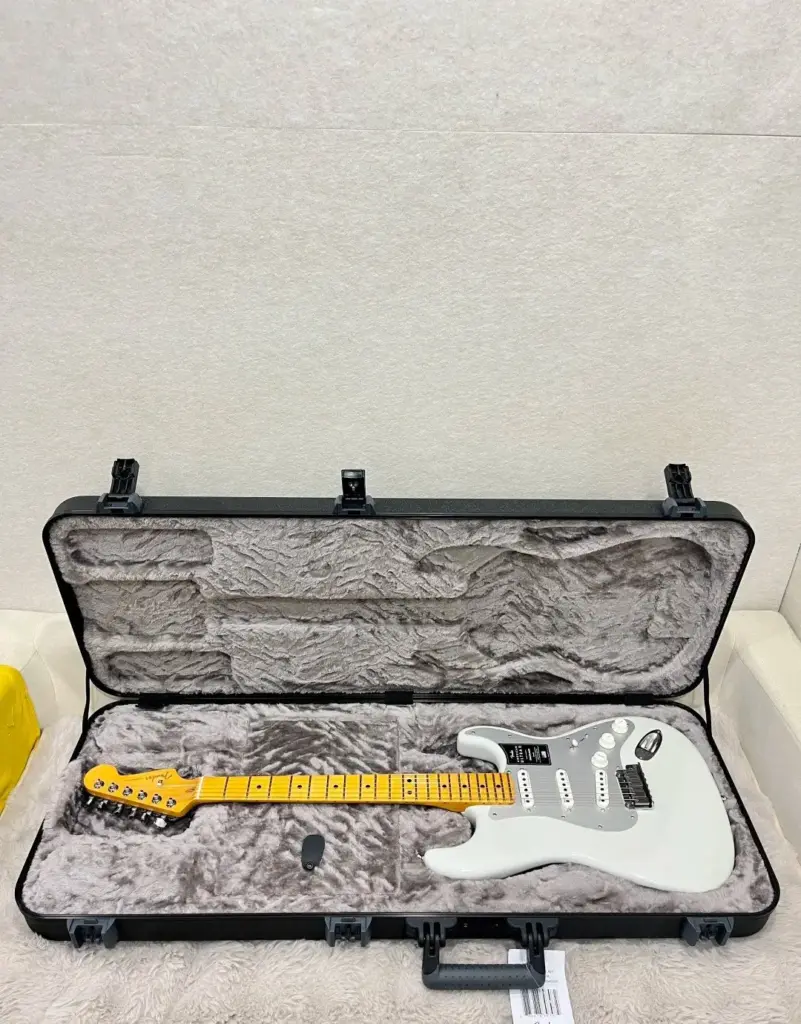
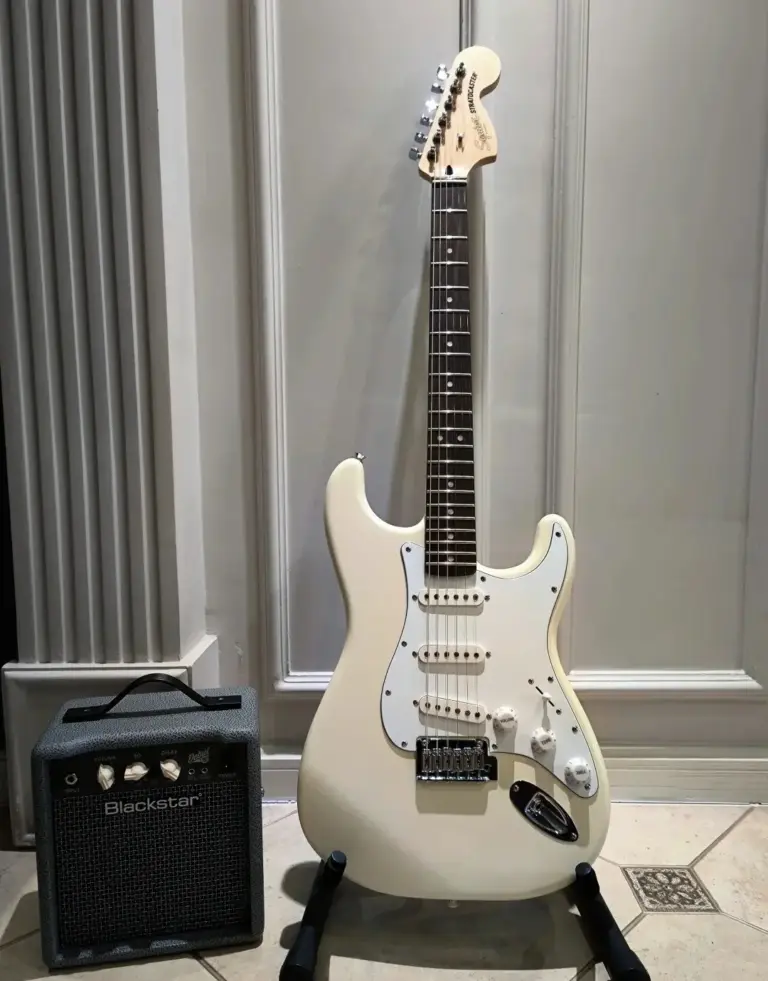
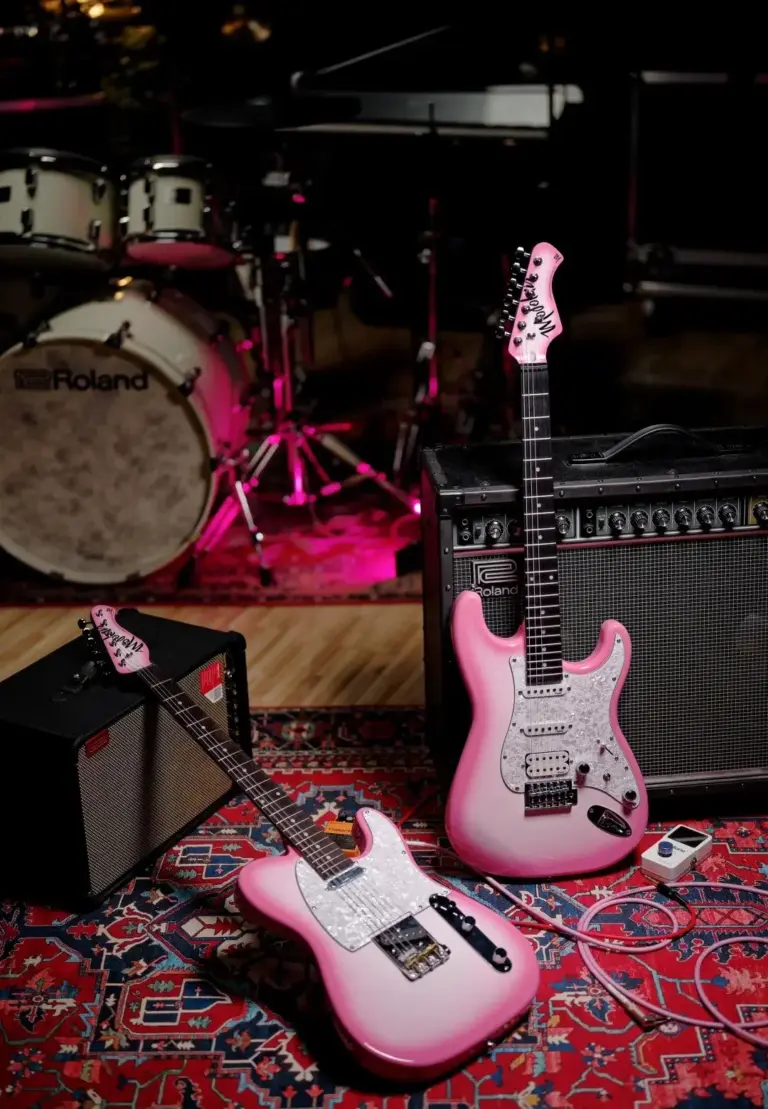
Bright, clear, articulate and percussive — the classic Fender Stratocaster and Telecaster sound. They excel at sparkling cleans, funk, blues and country. Their one drawback: a faint 60-cycle hum, especially under high gain or near electronics.
Humbucker pickups

Invented to “buck the hum,” humbuckers use two coils to cancel noise. The result is thicker, louder, warmer tone with more sustain — the Gibson Les Paul/SG voice, and the standard for rock, hard rock and metal.
Single-coil vs humbucker, at a glance
- Single-coil: bright, dynamic, clean-friendly, slight hum. Funk, blues, country, surf, indie.
- Humbucker: thick, powerful, quiet, high sustain. Rock, metal, jazz.
P-90s and beyond
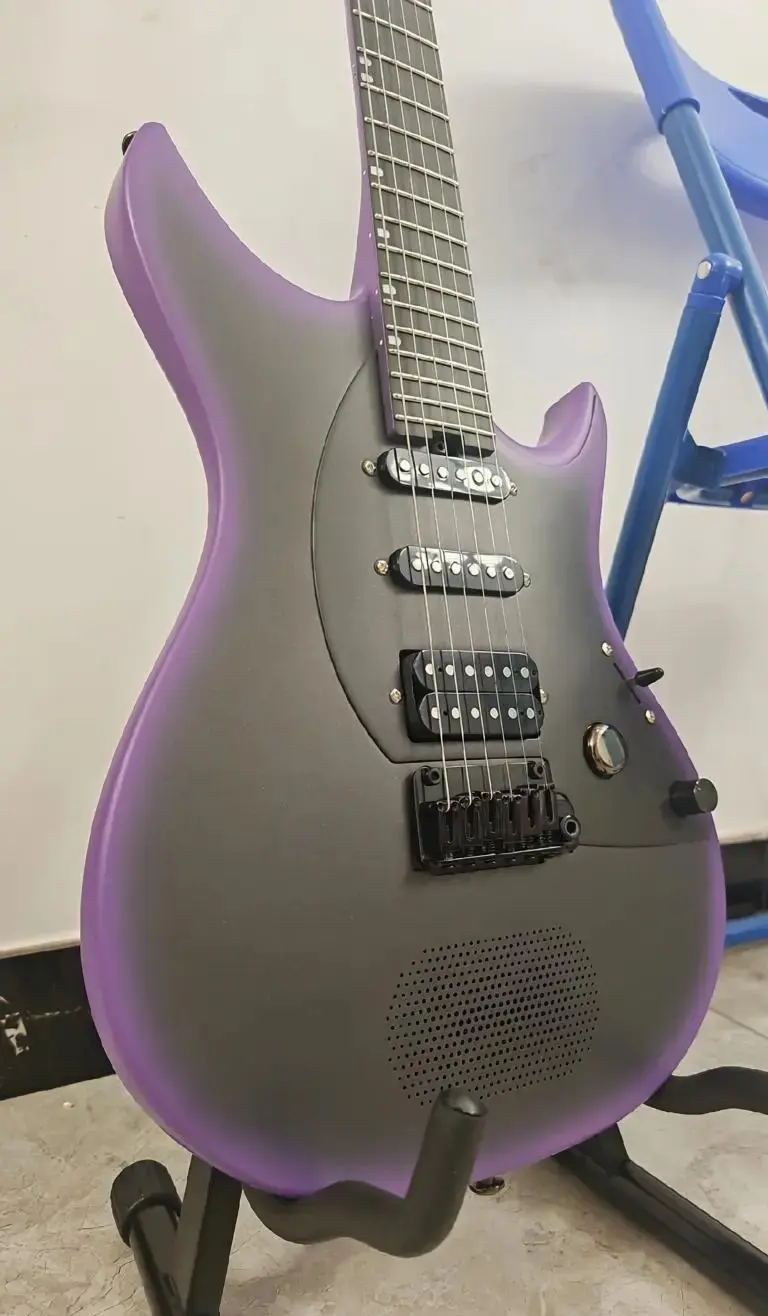
P-90 single-coils sit between the two — gritty and fat with single-coil clarity. Many guitars offer coil-splitting (running a humbucker as a single-coil) for the best of both worlds.
Pickup position: neck, middle and bridge
The type of pickup is only half the story — where it sits on the body matters just as much. A pickup near the neck sits under a part of the string that swings widely, so it sounds warm, round and full, ideal for smooth lead lines and jazz. A pickup near the bridge sits where the string barely moves, producing a bright, cutting, aggressive tone that slices through a band mix — the classic rock rhythm and lead position. A middle pickup, or a blend of two, gives the balanced, funky, quacky sounds many Strat players love.
This is why most electrics have a pickup selector switch: it lets you choose or blend positions on the fly. Learning what each position does for your tone is one of the quickest ways to expand your sound without buying anything new.
Output and magnets: why two humbuckers sound different
Not all humbuckers (or single-coils) are equal. Two factors explain why. Output refers to how strong a signal the pickup sends: a high-output “hot” pickup pushes the amp harder for more distortion and sustain, while a lower-output “vintage” pickup stays cleaner and more dynamic, responding to how hard you pick. Magnet type also shapes the voice — Alnico magnets tend to sound warmer and more vintage, while ceramic magnets are usually brighter and more powerful, favoured for heavier styles.
So a “humbucker” in a vintage-style guitar and a “humbucker” in a metal guitar can sound wildly different. When comparing guitars, it’s worth noticing not just the pickup type but whether it’s voiced hot or vintage, because that has a big effect on your tone.
Active versus passive pickups
Almost all guitars use passive pickups, which need no battery and give a natural, dynamic response. Some guitars aimed at metal use active pickups, which include a small onboard preamp (powered by a 9-volt battery) for a very high, consistent output and a tight, quiet sound under heavy distortion. Active pickups excel for aggressive high-gain playing but are less prized for nuanced clean tones, and you have to remember to change the battery. For most players and styles, passive pickups remain the versatile default.
FAQ
Should I choose single-coils or humbuckers?
Match them to your style. Single-coils give bright, clear, dynamic tones perfect for funk, blues, country and indie. Humbuckers give thick, warm, powerful tones with more sustain, ideal for rock and metal. If you want both, look for an HSS guitar or a humbucker with coil-splitting.
What is coil-splitting?
Coil-splitting lets a humbucker run as a single-coil at the flick of a switch, giving you brighter, thinner tones from a humbucker-equipped guitar. It’s a popular feature because it adds versatility, letting one guitar cover more ground.
Can I upgrade my guitar’s pickups later?
Yes, and it’s one of the most effective upgrades on a budget guitar. Swapping stock pickups for better ones can transform the tone without changing anything else. It’s a common step once players know exactly what sound they’re chasing.
How this guides your purchase
Pick the pickup type that matches your genre — it’s a bigger tonal factor than the brand on the headstock. See the broader picture in our electric guitar buyer’s guide, and the brand angle in Fender vs Gibson.
This page contains affiliate links. If you buy through them, we may earn a commission at no extra cost to you.