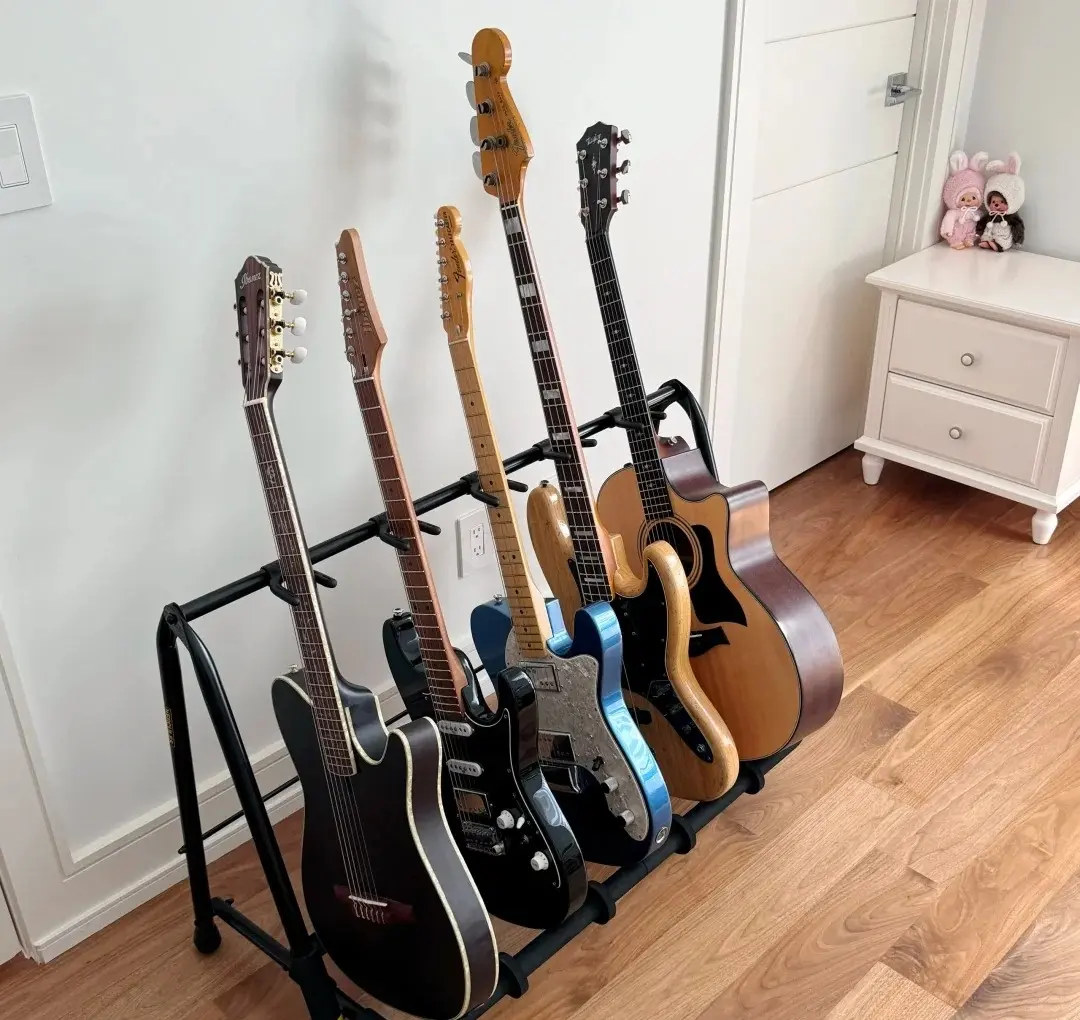
Essential Guitar Accessories for Beginners
A new guitar is only the start — a few inexpensive accessories make practising easier, protect your instrument and keep it sounding right. Here are the essentials every beginner actually needs.
1. A tuner
Non-negotiable. A clip-on tuner (or app) keeps you in tune every session — see how to tune a guitar. Playing in tune is the single biggest “instant improvement.”
2. Spare strings
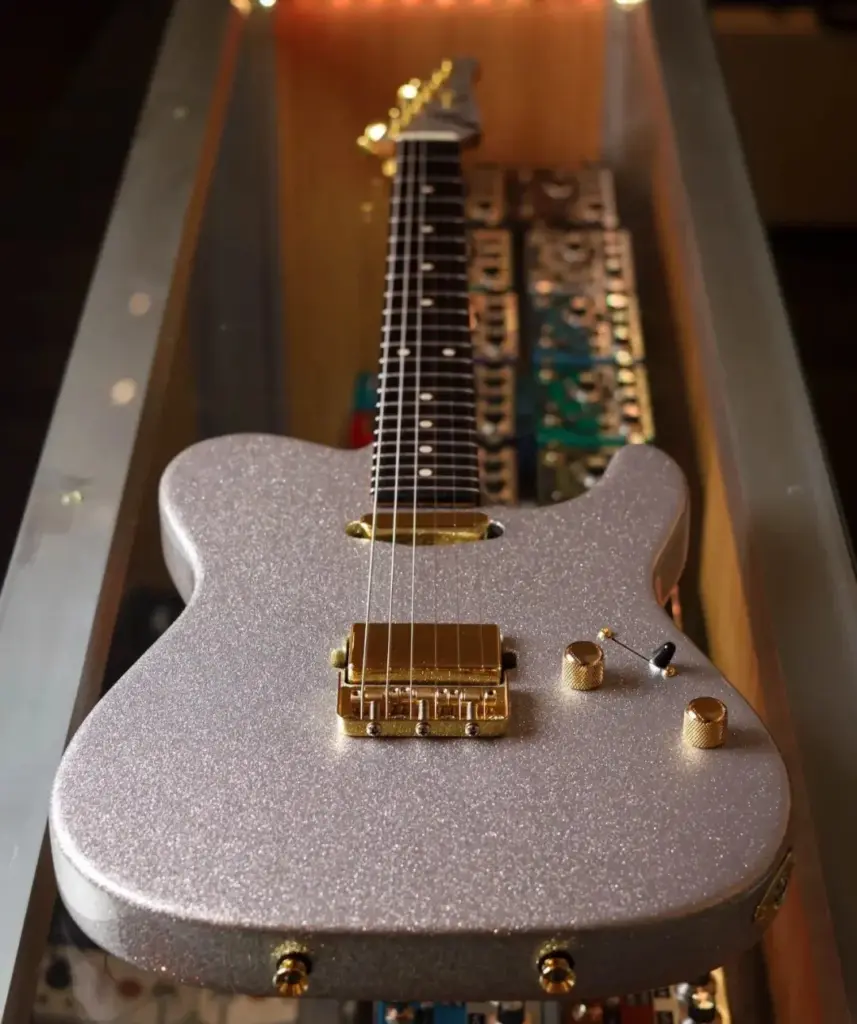
Strings break and dull over time. Keep a spare set and learn to change them. Fresh strings transform tone — and you’ll need them sooner than you think.
3. Picks (plectrums)
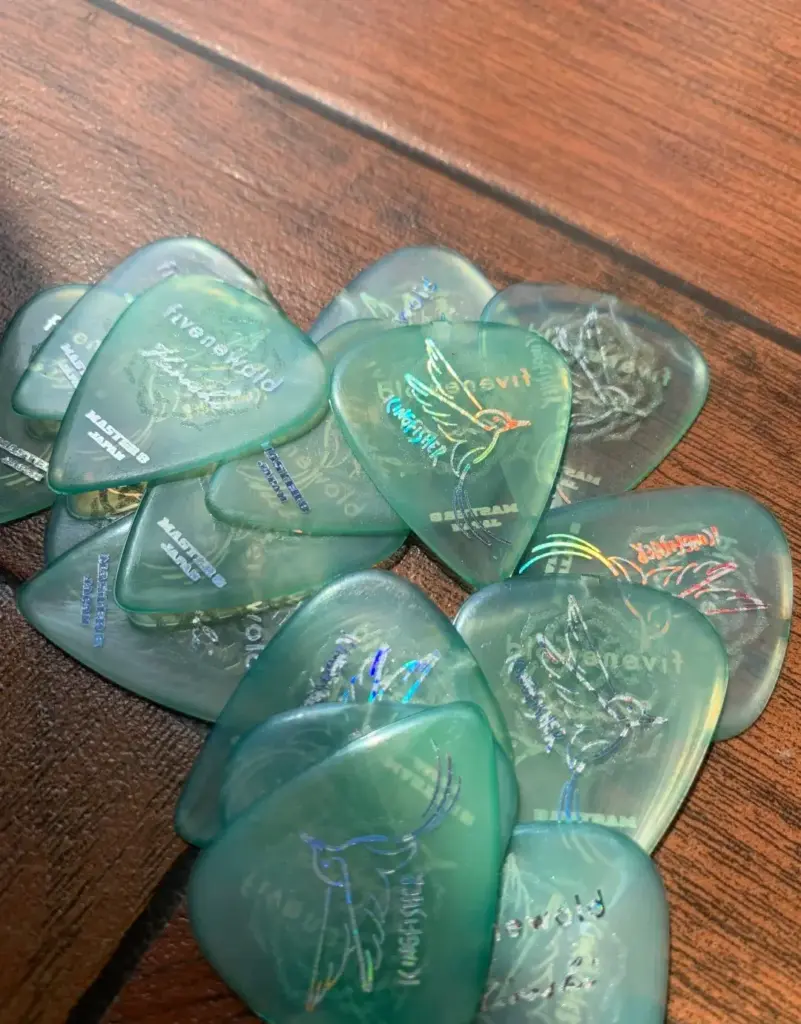
Cheap and easy to lose, so buy a variety. Medium gauge (~0.6–0.8 mm) is a versatile starting point for strumming and single notes.
4. A strap (and strap locks)
Even sitting down, a strap helps stability; standing, it’s essential. Strap locks cheaply prevent the heart-stopping drop.
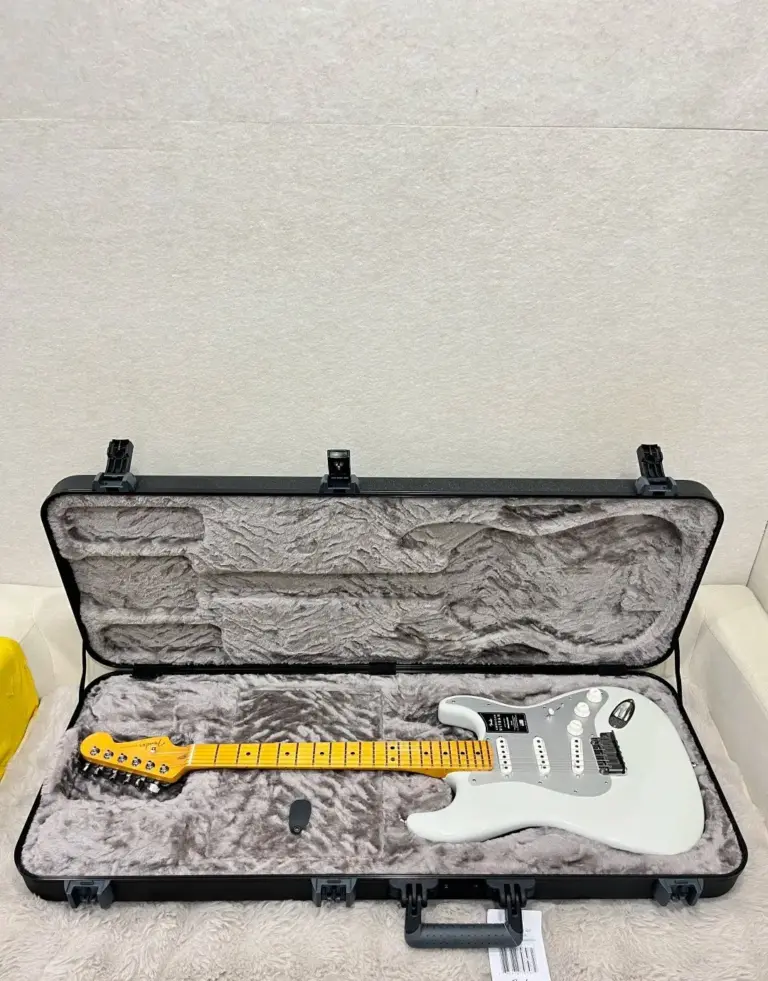
5. A gig bag or case
Protects against knocks, dust and humidity swings. A padded gig bag is the minimum if you ever transport the guitar.
6. A capo
Clamps the strings to change key instantly — invaluable for playing along with songs and singers without learning new chord shapes.
Every accessory ranked by priority and price
Before the merchant button, here’s the whole kit in one table, sorted by how urgently you actually need each item. “Must” means buy it with the guitar, “soon” means within the first month or two, “can wait” means only when you feel the need. Prices are wide ranges in US dollars observed in 2026 — check current listings. The product names are the ones that come up again and again in beginner threads and that I’ve used myself; they’re examples, not the only good options.
| Accessory | Priority | Price range (roughly) | Examples that get recommended |
|---|---|---|---|
| Clip-on tuner | Must | $10–$25 | Korg Pitchclip 2, Snark ST-8 / SN-5X |
| Picks (variety pack) | Must | $3–$10 a pack | Dunlop Tortex, Fender 351 medium, Ernie Ball Everlast |
| Spare strings | Must | $5–$18 a set | D’Addario EXL120 (9s) / EXL110 (10s) and Ernie Ball Super / Regular Slinky for electric; D’Addario EJ16 or Elixir Nanoweb lights for acoustic |
| Instrument cable (electric) | Must | $10–$30 | Ernie Ball Classic, D’Addario Classic Series, Fender Professional Series |
| Strap | Must if you stand, soon if you sit | $10–$30 | Ernie Ball Polypro, Levy’s, Fender nylon straps |
| Gig bag | Soon (must if you transport the guitar) | $20–$60 | Gator, Ibanez, Fender padded bags |
| Capo | Soon | $10–$25 | Kyser Quick-Change, D’Addario NS Capo, Shubb |
| Guitar stand | Soon | $15–$40 | Hercules GS414B, K&M 17540 |
| Strap locks | Soon | $1–$25 | Rubber washers (a dollar), Dunlop Straplok, Schaller S-Locks |
| Metronome | Can wait (a free app works) | $0–$30 | Korg MA-2, phone metronome apps |
| String winder and cutters | Can wait | $5–$15 | D’Addario Pro-Winder (winder and cutter in one) |
| Cloth and fretboard oil | Can wait | $5–$15 | Any microfibre cloth, Dunlop 65 lemon oil, MusicNomad F-One |
This page contains affiliate links. If you buy through them, we may earn a commission at no extra cost to you.
String gauges: which set to buy
Strings come in different thicknesses, called gauges, and the choice affects both feel and tone. Lighter gauges (often labelled “9s”, meaning the thinnest string is .009″) are easier to press and bend, which makes them the friendly choice for most beginners on electric. Heavier gauges (“10s” or “11s”) feel stiffer but give a fuller, louder tone and suit lower tunings. On acoustic, “light” (.012) sets are the comfortable starting point, since heavier acoustic strings take real finger strength.
You don’t need to overthink this at first — a standard light set that matches your guitar type is perfect. As you progress, you can experiment with heavier gauges for tone or drop-tunings. Just remember that changing gauge significantly can require a fresh setup, since it alters the tension on the neck.
A simple maintenance kit
A few cheap items keep your guitar playing and sounding its best for years:
- A microfibre cloth to wipe strings and body after playing, which dramatically extends string life by removing sweat and oils.
- A string winder to make changing strings far quicker and less fiddly.
- Wire cutters to trim excess string cleanly at the tuners.
- Fretboard oil (for unfinished rosewood/ebony boards) applied occasionally when you change strings, to stop the wood drying out.
None of this is expensive, and together it lets you handle routine care yourself instead of paying a shop for basic jobs. Wiping the strings down after every session is the single highest-value habit — it’s free and it keeps strings bright for much longer.
What you can safely skip at first
Beginners are often sold gear they don’t yet need. You can comfortably wait on a pile of effects pedals, expensive “boutique” cables, multiple guitars, and elaborate cleaning products. A single decent cable, a tuner, spare strings, picks, a strap and a way to make sound (amp or headphone amp) is a complete starter kit. Spend your early money on lessons or a good setup rather than accessories — those improve your playing far more than another gadget will.
The extras that earn their place: cable, stand and metronome
Three items didn’t make the top six because not every beginner needs them on day one, but they come up so often in “what I wish I’d bought sooner” threads that they deserve their own section.
The cable (electric players)
Without a cable there’s no sound, so for an electric it’s really a “must”. A 10-foot (3 m) cable from Ernie Ball, D’Addario or Fender at roughly $10–$30 is all you need; the crackly no-name cable that comes in some starter packs is the most common source of “my amp is broken” panic I hear from students. Buy one decent cable, not three cheap ones, and pair it with a proper first amp — our guide to the best first guitar amp under $200 covers that side of the budget.
The stand
This one sounds trivial and isn’t. A guitar in a case under the bed gets played at the weekend; a guitar on a stand next to the sofa gets played every day, for five minutes here and there, which is how beginners actually improve. A Hercules GS414B or a K&M 17540 (roughly $15–$40) holds the guitar by the headstock and won’t tip. One warning: some cheap stands have foam that reacts with nitrocellulose finishes — a problem for vintage-style instruments, not for the polyurethane finish on a budget guitar.
The metronome
You don’t need to buy one — every phone has free metronome apps that are perfectly good — but you do need to use one. Playing chord changes to a click, slowly, is the single practice habit that separates beginners who progress from those who plateau. If you prefer a physical box, the Korg MA-2 is the classic (roughly $20–$30). It pairs well with our beginner guitar chords guide: pick a change, set the click low, and speed up only when it’s clean.
Before you order: the beginner kit checklist
If you’re buying the guitar and the accessories in the same order, here’s what I’d put in the basket, in priority order. The whole list runs roughly $40–$80 without the gig bag, or roughly $60–$140 with one — a fraction of the guitar’s price and, honestly, better value.
- Clip-on tuner. Korg Pitchclip 2 or a Snark. New strings stretch and cheap tuners slip, so you’ll use it every session — our piece on why a guitar goes out of tune explains what’s normal.
- Two spare sets of strings in the gauge your guitar ships with (usually 9s or 10s on electric, 12s on acoustic). You will break a high E while learning to restring — everyone does. Our guide to how to change electric guitar strings walks through it.
- A variety pack of picks in medium gauges. Buy a dozen; you’ll find half of them in the sofa later.
- A cable if it’s an electric, plus a strap if you’ll play standing.
- A capo if you’ll play acoustic or sing along — you’ll want one within a month.
- A gig bag if the guitar doesn’t come with one and you’ll ever carry it to a lesson.
Notice what isn’t on the list: pedals, a second guitar, a fancy cable. The most common accessory mistake, and one I cover in our list of beginner guitar buying mistakes, is spending the setup money on gadgets. If the guitar feels stiff and hard to press, the accessory you need is a setup, not a lighter pick — and if your fingertips hurt, that’s normal for the first few weeks, as our guide to finger pain for beginner guitarists explains.
Riffbound verdict
Who it’s for: complete beginners with a first guitar on the way. Tuner, strings, picks, cable (electric) and strap are the five things to order with it; everything else can follow when you feel the need.
Who should skip it: returning players who already own a drawer of picks and a tuner. Your money does more in a fresh set of strings and a setup than in any new accessory.
The alternative worth a look: rather than a pre-packed “accessory bundle” full of items you’ll never use, buy the five essentials individually and put the difference toward a professional setup — see just get it set up for why that matters more than any gadget.
Based on owner and teacher feedback, no paid testing. How we review.
FAQ
What accessories does a beginner actually need?
The essentials are a tuner, spare strings, picks, a strap and a case or gig bag, plus a cable and amp for electric. A capo and strap locks are inexpensive and very useful. Everything else can wait until you know what you want.
How often should I change my strings?
It depends on how much you play, but every one to three months is a common guideline for regular players. Change them sooner if they sound dull, feel rough, or look discoloured. Wiping strings after playing makes a set last noticeably longer.
What pick thickness should I start with?
A medium gauge (around 0.6–0.8 mm) is the most versatile starting point, handling both strumming and single notes well. Picks are cheap and easy to lose, so buy a variety pack and find the thickness that feels best in your hand.
Which strings should a beginner buy?
For electric, a light set: D’Addario EXL120 or Ernie Ball Super Slinky (9s) if your fingers are sore, EXL110 or Regular Slinky (10s) if the guitar came with 10s and you’re happy. For steel-string acoustic, a light .012 set such as D’Addario EJ16, or Elixir coated lights if you want them to stay bright for months. For a classical, normal-tension nylon such as D’Addario EJ45. Stay with the gauge the guitar was set up with unless you’re ready to have it adjusted.
Do I need a metronome, or is an app enough?
An app is enough — the free ones on any phone are accurate and most have tap-tempo and subdivisions. Buy a physical metronome only if you find yourself distracted by the phone during practice; the Korg MA-2 is the usual recommendation and it’s cheap. What matters is using one for a few minutes every session, not which one you own.
Nice-to-haves later
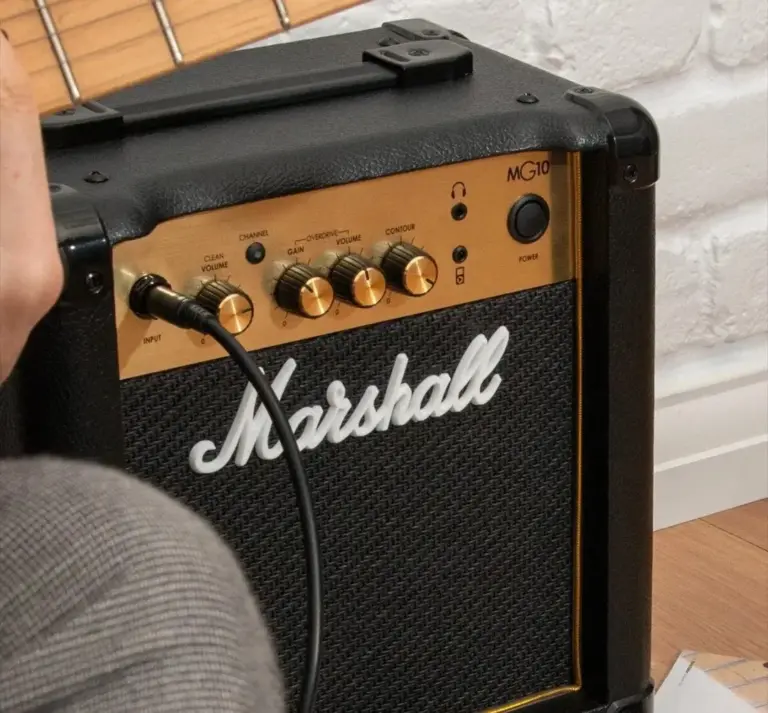
A guitar stand (so it’s always in reach), a stool, and a basic cleaning cloth. For the instrument itself, start with our buyer’s guide and practice amp guide.
En français : accessoires & matériel.
Sources and method
This synthesis is based on owner and teacher feedback read on the following communities (consulted in 2026), plus what I hand students and what has survived in my own gig bag over the years:
- r/Guitar (owner feedback, very high volume)
- Ultimate Guitar (reviews and forums)
- Manufacturers’ official product pages (daddario.com, ernieball.com, elixirstrings.com, korg.com, herculesstands.com) for gauges, tensions and specifications
We receive no free gear and no brand reads our articles. Merchant links are affiliate links: how we work.