Single-Coil vs Humbucker, Explained by Players
The single-coil vs humbucker question gets answered with physics everywhere online. This piece is different: it’s what players actually report after gigging, recording and living with both — how they really sound and feel in the room, the genres people gravitate to, and the catches the spec sheets don’t mention.
Where these takes come from
A synthesis of lived-experience opinions across English-speaking communities (r/Guitar, The Gear Page, Ultimate Guitar). For the technical how-it-works explainer, see our guitar pickups guide.
Single-coils: what players actually say
What they love
Clarity, sparkle and that glassy “quack” in the in-between Strat positions. Players describe single-coils as articulate and dynamic — they react to your touch. The go-to for funk, blues, country, indie and classic rock cleans.
The reality check
The big one: 60-cycle hum. Players warn it gets annoying near screens, dimmers and lights, and worse with high gain. Single-coils can also sound thin or harsh under heavy distortion. A noise gate helps a lot.
Humbuckers: what players actually say
What they love
Thick, warm and powerful — and crucially quiet (the “hum-bucking” design cancels noise). Players reach for them for rock, metal, jazz and anything high-gain, citing sustain and a smooth, full-bodied tone.
The reality check
They can sound dark or even muddy on some rigs, and lack the sparkle and snappy articulation single-coils give for funky cleans. Some players find them “less open.”
The practical takeaways players give
1. Choose by the tone you chase, not by “which is better”
Sparkle, twang, dynamic cleans → single-coils. Thick, quiet, high-gain power → humbuckers. There’s no universal winner.
2. HSS or a coil-split = the popular compromise
Loads of players land on an HSS guitar (two single-coils + a bridge humbucker) or a coil-split humbucker to cover both worlds — a common first-guitar choice for exactly this reason.
3. P-90s are the middle ground
Bigger and grittier than a standard single-coil, more open than a humbucker — but still single-coil hum. A favorite of players who want character.
4. It’s the player and the amp too
A repeated reminder: your hands and your amp shape the tone as much as the pickup. Don’t expect a pickup swap to fix everything.
Pickup types side by side, with real guitars
The table below is the short version of everything above, with affordable guitars I’d actually point a beginner to for each layout. The letters describe the pickup layout from neck to bridge: S is a single-coil, H a humbucker. Price ranges are wide, in US dollars observed in 2026 — check current listings.
| Pickup type | Sound in the room | Styles players use it for | Example affordable guitars (roughly) |
|---|---|---|---|
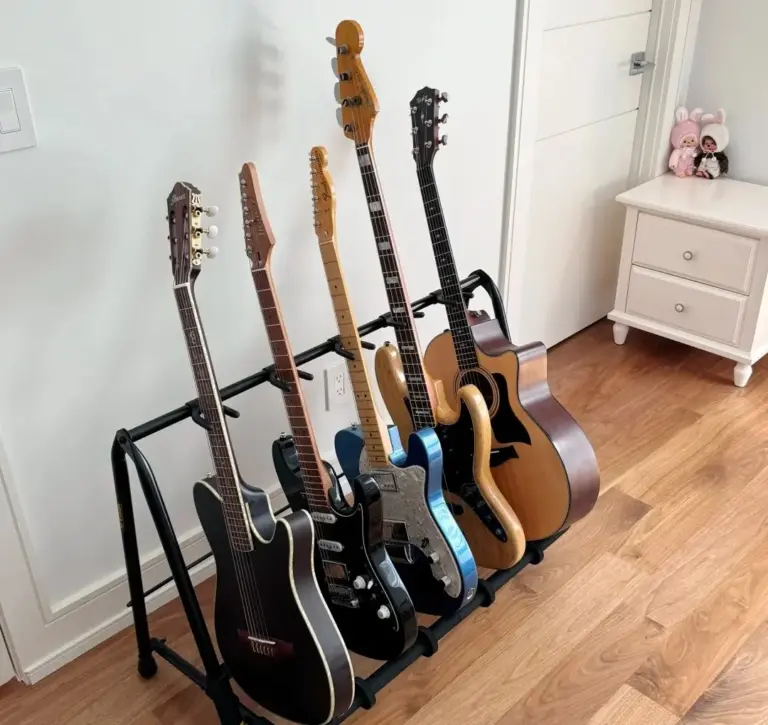
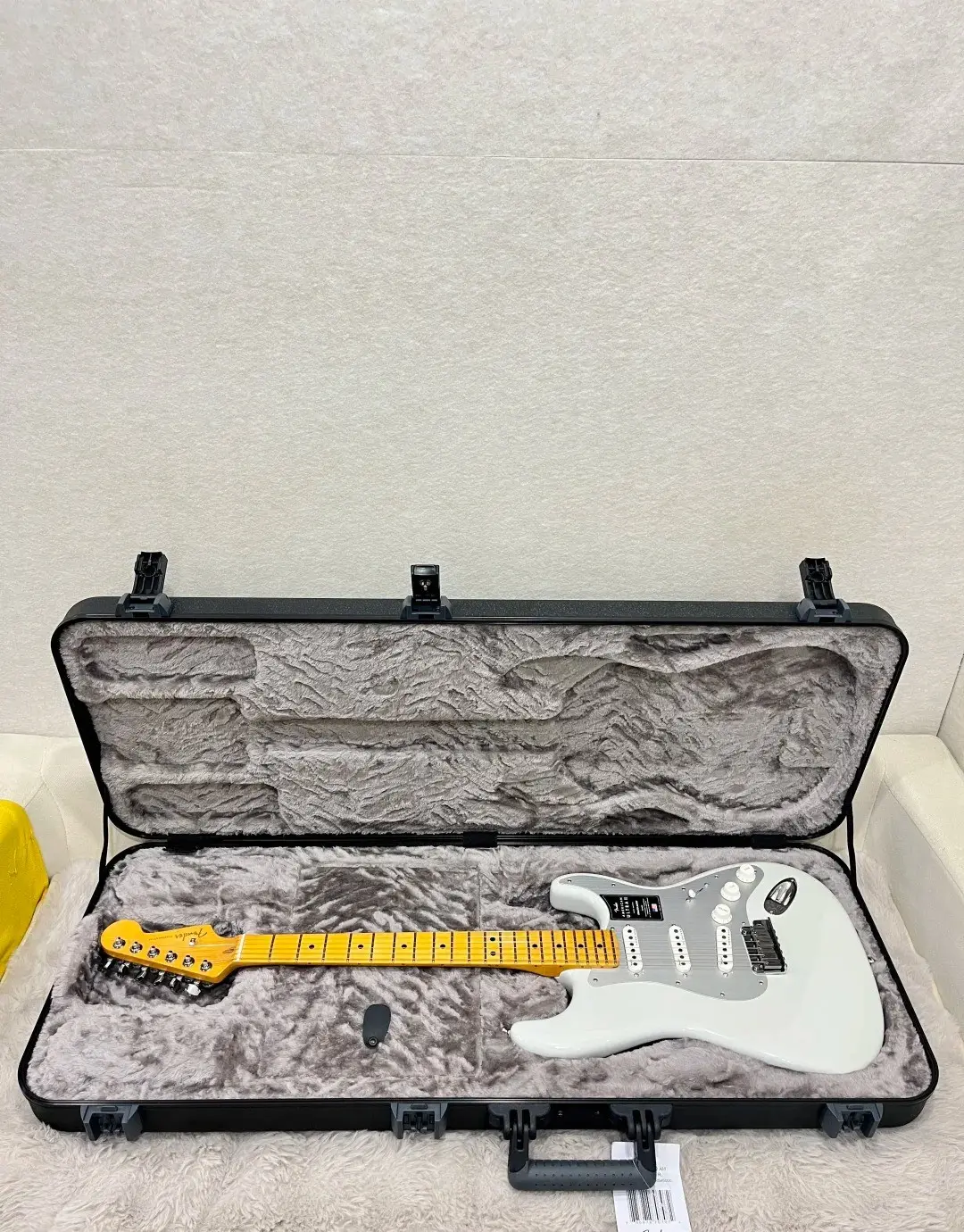
| Single-coil (SSS or Tele-style) | Bright, glassy, dynamic; audible hum with gain | Blues, funk, country, indie, pop, classic rock cleans | Squier Affinity Stratocaster / Telecaster, Squier Classic Vibe ’50s Stratocaster, Harley Benton ST-20 — roughly $130–$500 |
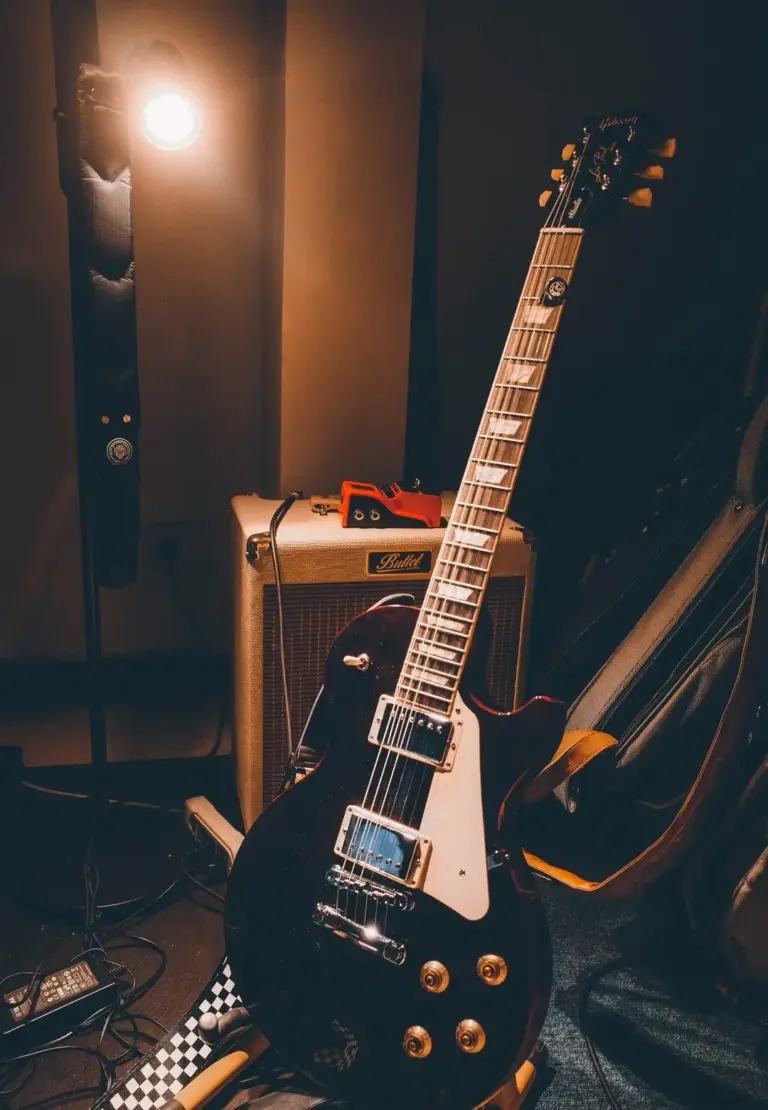
| Humbucker (HH) | Thick, warm, compressed, very quiet | Rock, hard rock, metal, jazz, anything high-gain | Epiphone Les Paul Studio, ESP LTD EC-256, Schecter Omen 6, Ibanez GRG121DX, Jackson JS22 Dinky — roughly $180–$600 |
| P-90 (fat single-coil) | Gritty, open, mid-forward; still hums | Punk, garage, blues rock, indie, roots | Epiphone SG Special P-90, Epiphone Les Paul Special (P-90 version), Harley Benton DC-Junior — roughly $150–$500 |
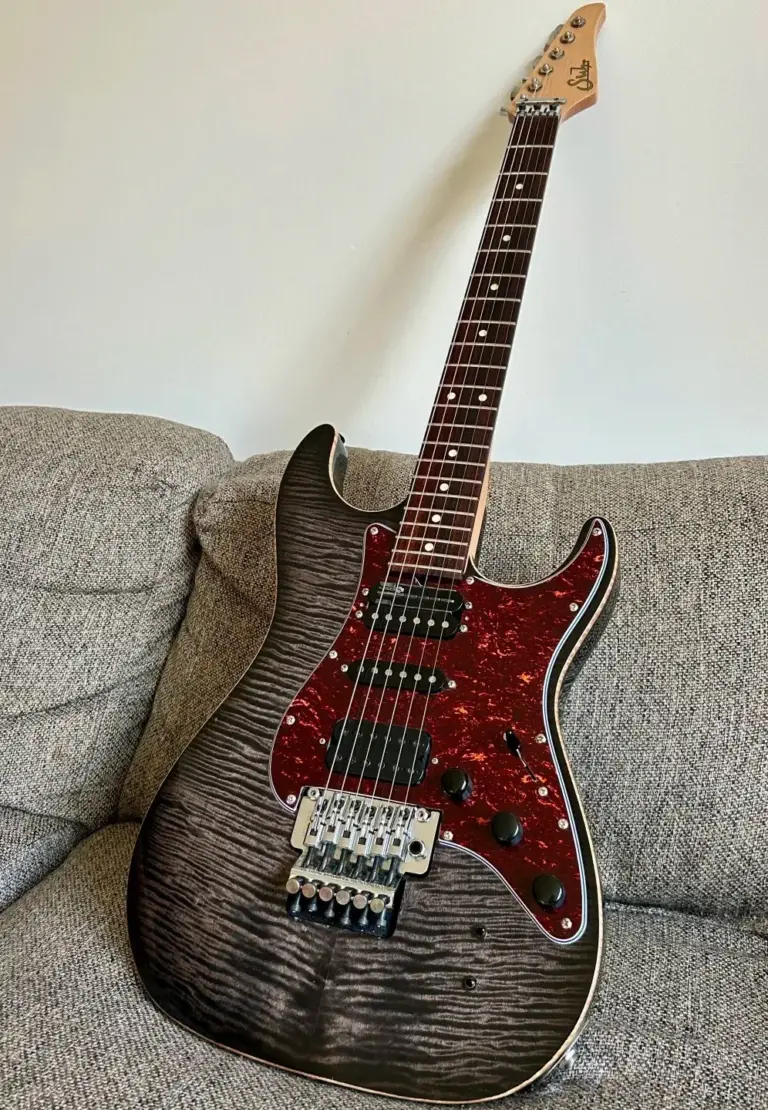
| HSS (two singles + bridge humbucker) | Strat sparkle in the neck and middle positions, a thick bridge for gain | Beginners, cover bands, anyone undecided | Yamaha Pacifica 112V, Squier Affinity Stratocaster HSS, Ibanez GRX40, Harley Benton ST-20HSS — roughly $130–$350 |
| Coil-split humbucker | Full humbucker plus a thinner, single-coil-like mode from the same pickup | Players who want one guitar for everything | PRS SE Standard 24 (push-pull coil tap), Harley Benton Fusion-III HSH, Yamaha Pacifica 612VIIX — roughly $250–$700 |
This page contains affiliate links. If you buy through them, we may earn a commission at no extra cost to you.
Match the pickup to your amp and how much gain you use
This is the part most “single-coil vs humbucker” articles skip, and it’s the part players bring up most. The same pickup behaves very differently depending on what’s at the other end of the cable.
Clean and low-gain amps
Through a clean amp at bedroom volume, single-coils show their best side: every pick stroke comes through and the in-between positions do the “quack” thing. Humbuckers still work, but through a small clean amp they can feel a little blunt, which is where the “muddy” complaints usually come from. If you mostly play clean, the pickup choice matters a lot.
Modeling amps: the pickup matters less than you think
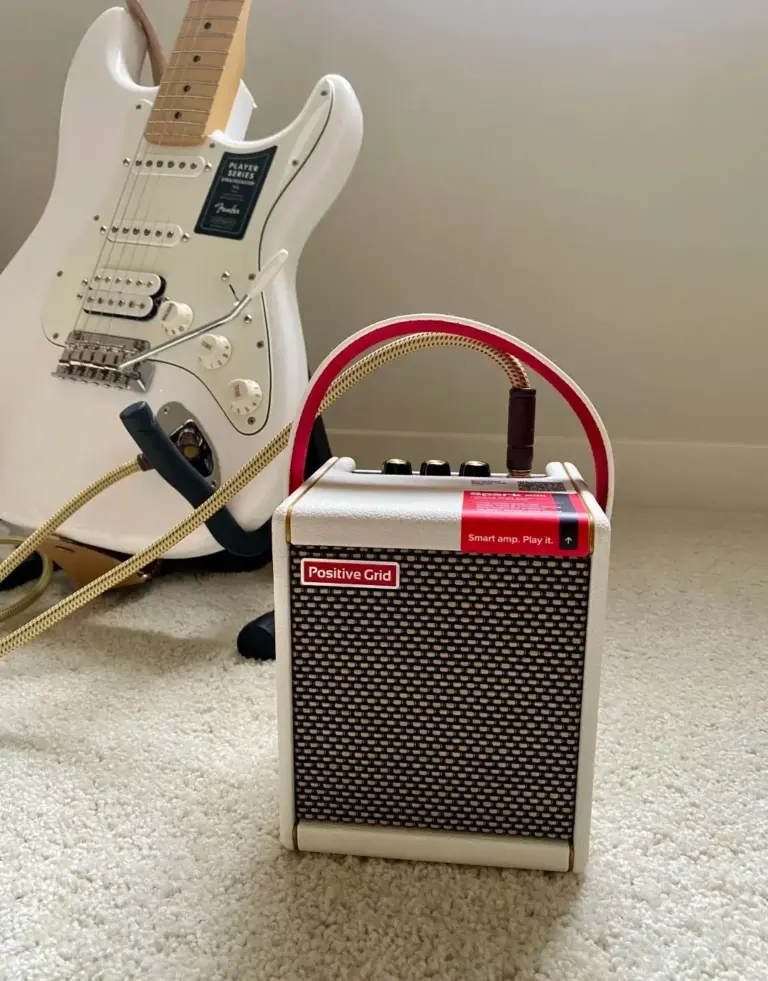
With a Boss Katana, a Fender Mustang or a Positive Grid Spark, you have EQ, compression and a noise gate built in, so you can push a single-coil into rock territory or brighten a humbucker without touching the guitar. That’s a big reason players tell beginners not to obsess over pickups on a first guitar — see our Boss Katana owner reviews and our explainer on how guitar amps work.
High gain: the humbucker’s home turf
Once you’re into serious distortion, the hum from a single-coil becomes a hiss you fight all evening, and the thin top end gets fizzy. This is why the metal crowd is so consistent: humbuckers first, everything else second. Our best metal guitars for beginners list is HH from top to bottom for exactly that reason.
Output isn’t quality
One thing I wish someone had told me at fifteen: a “hot” high-output pickup doesn’t sound better, it just pushes the amp harder and compresses sooner. Vintage-output humbuckers and single-coils are often clearer and more touch-sensitive. Chasing output is one of the classic pickup-swap disappointments players report.
Noise: what players actually do about hum
Single-coil hum is not a fault, but it can be managed. These are the fixes that come up over and over, roughly from cheapest to most expensive (2026 US ballparks, check current listings):
- Move. Turn away from the computer screen, unplug the dimmer, sit somewhere else. Free, and it often halves the problem.
- Use the hum-cancelling positions. On most modern Strat-style guitars, the middle pickup is wound and polarised in reverse, so positions 2 and 4 cancel hum on their own.
- Shield the control cavity with copper tape or conductive paint. A few dollars and an afternoon; it reduces buzz from fluorescent lights, not the hum itself.
- A noise gate. Built into every modeling amp, or a pedal like the Boss NS-2 or TC Electronic Sentry (roughly $50–$150).
- Noiseless single-coils (Fender Noiseless sets, DiMarzio Area, Kinman) — roughly $100–$250 for a set before installation. The consensus: very close to the real thing, with a touch less sparkle for the purists.
Choosing a first guitar by its pickups: what to check before you buy
- Read the layout letters in the listing: SSS, HSS, HH, HSH, or P-90. Don’t assume from the body shape — plenty of Strat-shaped guitars are HH, and there are Les Paul shapes with P-90s.
- Look for a coil-split or coil-tap (usually a push-pull knob). It’s the cheapest way to get both flavours from one guitar.
- Be honest about gain. If you’ll live on a distorted channel, HH. If you’ll play clean and bluesy, SSS. If you don’t know, HSS.
- Try both body styles if you can. Pickups aside, a Strat and a Les Paul feel completely different in the lap — our Les Paul vs Stratocaster for beginners piece walks through it.
- Don’t buy a guitar planning to swap the pickups. A new set plus installation can cost as much as a budget guitar, and the amp upgrade usually makes a bigger difference.
So which should a beginner get?
For maximum flexibility, players most often point beginners to an HSS guitar — sparkle and thickness in one instrument. Set on a style already? Match the pickup to it. Compare guitars in our Squier (single-coils) and Epiphone (humbuckers) reviews.
My honest take
After all the debate, players agree on the boring truth: both are great, and the “best” one is the one that matches your music. If you don’t know yet, an HSS guitar lets you explore both without committing. And remember single-coil hum is normal — not a fault.
Riffbound verdict
Who it’s for: the HSS layout (Yamaha Pacifica 112V, Squier Affinity Stratocaster HSS) is the pick for beginners who don’t yet know what they’ll play — sparkle in the neck and middle, a humbucker at the bridge for gain.
Who should skip it: if you already know you’re a metal or hard rock player, go straight to a HH guitar (ESP LTD EC-256, Ibanez GRG121DX, Epiphone Les Paul Studio) — the bridge humbucker alone won’t cover the neck-position leads you’ll want.
The alternative worth a look: a humbucker guitar with a push-pull coil tap, such as the PRS SE Standard 24, gives you both worlds without the hum in the humbucker mode — see our PRS SE owner reviews.
Based on owner and teacher feedback, no paid testing. How we review.
FAQ
Single-coil or humbucker for a beginner?
If undecided, an HSS guitar covers both. Otherwise match the pickup to your style: single-coils for sparkle/clean, humbuckers for thick/high-gain.
Which is better for metal?
Humbuckers — they’re powerful and quiet under high gain. Single-coils can work but hum and can sound thin when heavily distorted.
Do single-coils really hum that much?
Yes, it’s inherent to the design and more noticeable with gain or near electronics. A noise gate or noiseless single-coils tame it.
What’s a coil-split?
A switch that turns a humbucker into a single-coil-like sound, giving you both flavors from one guitar — see our pickups guide.
Can I change the pickups later, and is it worth it?
You can — a pickup swap is one of the most common upgrades. A single replacement pickup runs roughly $60–$150 (2026, check listings), plus a tech’s fee if you don’t solder. On a $150 guitar, though, players usually say the money does more in a better amp or a setup first. Swap pickups when you know exactly what you’re missing, not before.
Are noiseless single-coils as good as the real thing?
Most players who use them say modern noiseless sets get very close, and the silence is worth it on stage and when recording. Purists mention a slight loss of top-end sparkle and touch sensitivity. For a bedroom player on a modeling amp with a built-in gate, they’re rarely necessary.
Sources and method
This synthesis is based on owner and player feedback read on the following communities (consulted in 2026), plus my own years of switching between Strat-style and humbucker guitars at home and on small stages:
- r/Guitar (owner feedback, very high volume)
- Ultimate Guitar (reviews and forums)
- The Gear Page (in-depth gear discussion)
- Manufacturers’ official spec sheets (fender.com, epiphone.com, ibanez.com, yamaha.com) for pickup layouts and coil-split wiring
We receive no free gear and no brand reads our articles. Merchant links are affiliate links: how we work.