
Your first electric guitar shouldn’t be a gamble. You don’t need an expensive instrument to start — but you do need one that’s comfortable, stays in tune and inspires you to keep playing. Here’s how to choose well.
Set a realistic budget — and split it
A common beginner mistake is spending the entire budget on the guitar and nothing on the amp. Plan to split it: a solid starter guitar plus a small practice amp. Excellent beginner guitars exist well under €300 today.
Pick a comfortable body shape
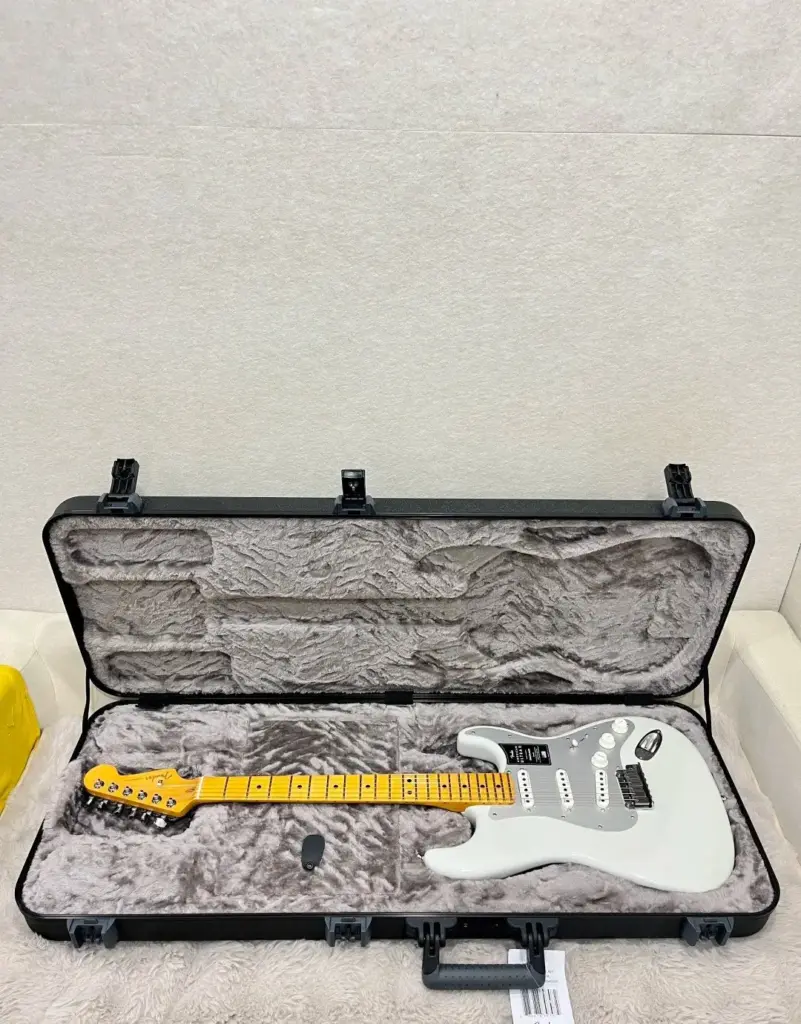
Comfort keeps you practising. The Stratocaster shape is light, contoured and versatile — a safe first choice. Les Paul styles are heavier but feel solid. Sit down with it: if it’s awkward now, it’ll discourage you later.
New or used?
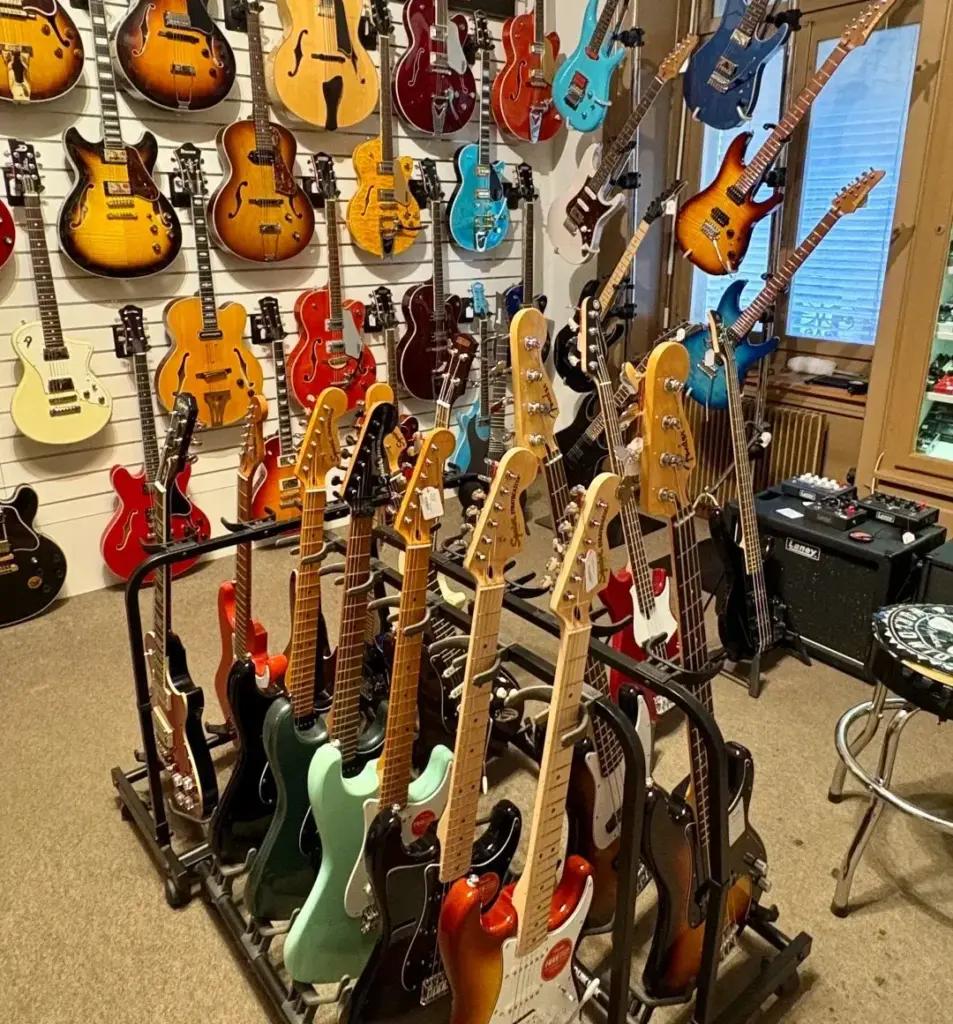
A used guitar can offer more for your money, but inspect it: straight neck, no fret buzz, working electronics, reasonable action. If you can’t assess it yourself, a new instrument from a trusted brand removes the risk.
Beginner-friendly brands
You can’t go wrong with Squier (Fender’s affordable line), Yamaha, Harley Benton or Epiphone. They deliver reliable, in-tune, playable instruments at honest prices. For the full landscape, see our complete electric guitar buyer’s guide.
This page contains affiliate links. If you buy through them, we may earn a commission at no extra cost to you.
Get it set up
Even a great guitar plays poorly if the action is too high or the intonation is off. A basic setup (often inexpensive) transforms playability — budget for one, especially on a used instrument.
And the amp
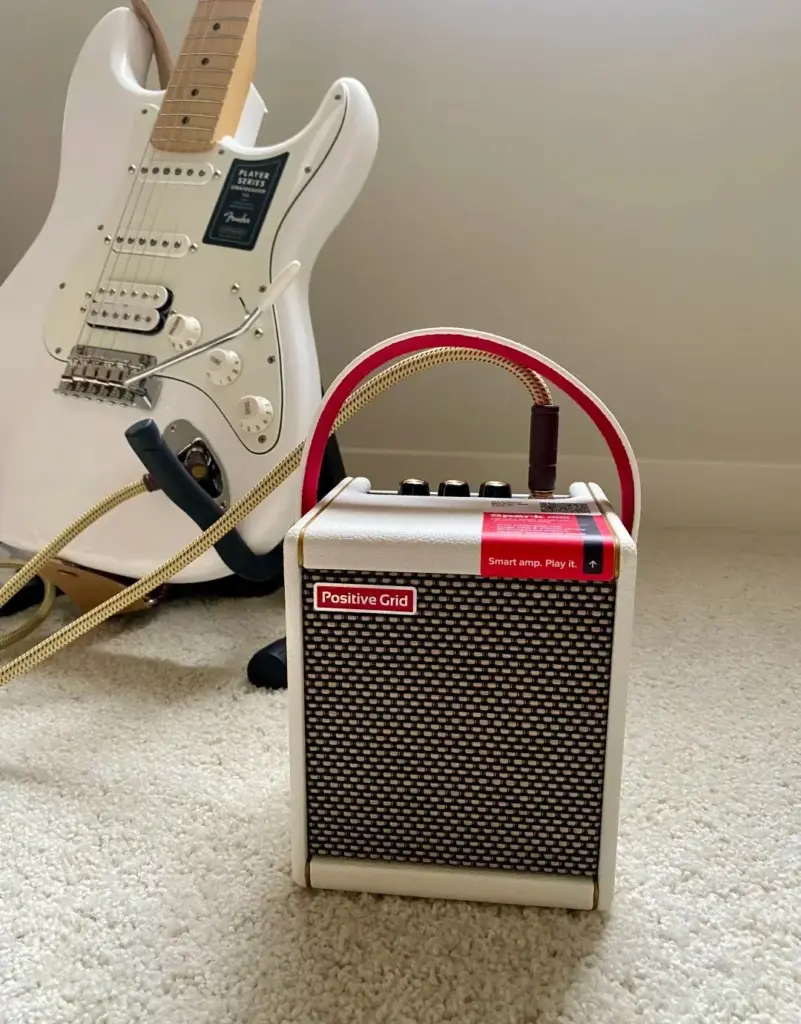
For home practice you want something small and clean-sounding. Our guide to guitar amps explains tube vs solid-state vs modeling so you pick the right first amp.
En français : voir notre guide apprendre la guitare pour débutant.
Once you have the guitar: learn to play it
A first electric is only as good as the first month you spend with it. These guides take you from tuning and the first open chords to reading tabs, easy songs and the pentatonic scale, in the order that keeps beginners playing.
- Acoustic vs Electric: Which Guitar Should You Start With?
- How to Tune a Guitar (Standard & Alternate Tunings)
- Guitar Scales Explained: A Practical Guide
- Easy Guitar Songs for Beginners
- How to Read Guitar Tabs: A Complete Beginner Guide
- Beginner Guitar Chords Every Player Should Know
Before you buy
Two guides save the most money: the buying mistakes teachers see every week, and why a setup matters more than the brand. If you are still torn between acoustic and electric, this comparison settles it in five minutes.