Squier vs Epiphone: Best Budget Brands Compared
Squier and Epiphone are the two giants of affordable electric guitars — the official budget lines of Fender and Gibson. If you want a classic design without the premium price, it usually comes down to these two. Here’s how they compare.
Different DNA
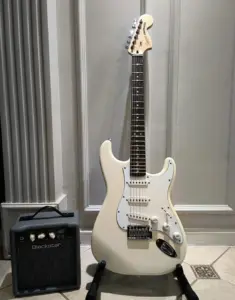
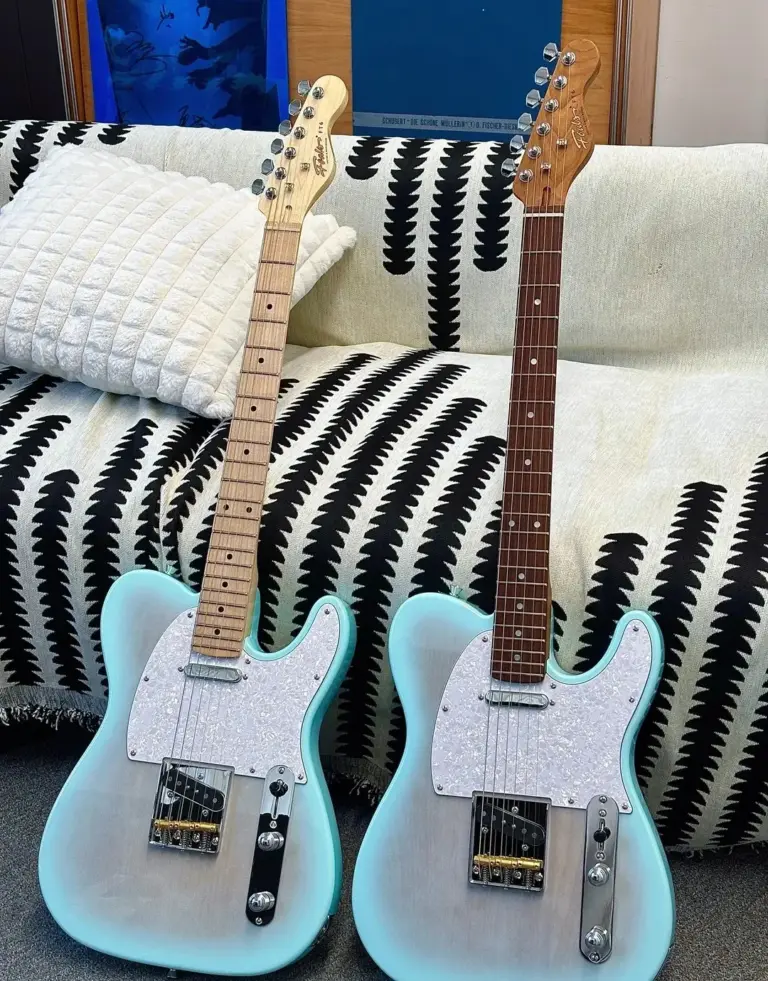
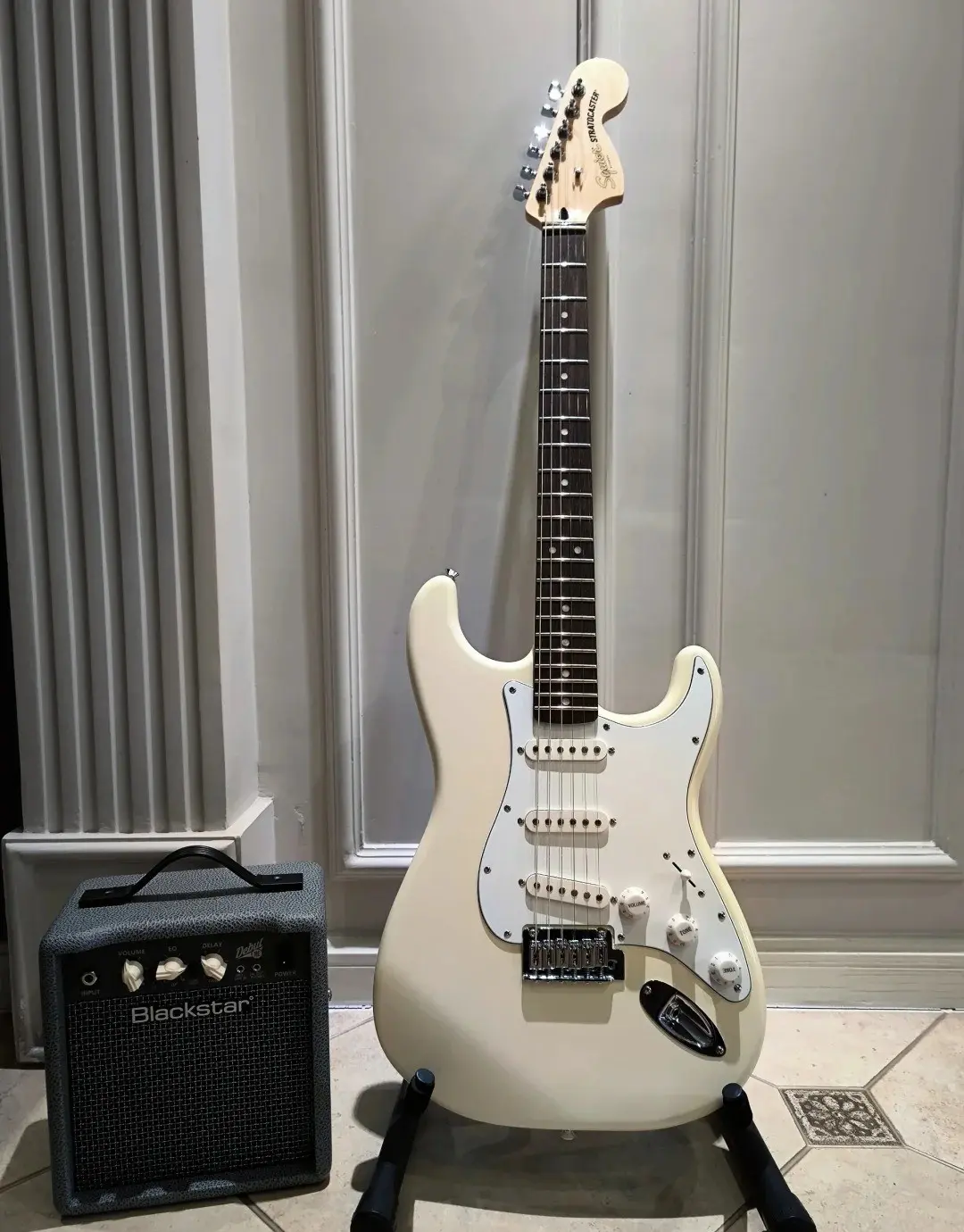
Squier is owned by Fender and builds affordable Stratocasters and Telecasters — bright single-coil tones, bolt-on necks, light contoured bodies. Epiphone is owned by Gibson and builds affordable Les Pauls and SGs — thick humbucker tones, set necks, more heft and sustain.
So the choice mirrors Fender vs Gibson
Picking between them is really picking between the two great design families — explored fully in our Fender vs Gibson guide. Want sparkle, twang and clean versatility? Squier. Want warmth, power and sustain? Epiphone.
Build and value
Both have raised their quality dramatically. Squier’s Classic Vibe series and Epiphone’s Inspired by Gibson range are the standouts — genuinely good instruments that need little more than a setup. Entry “Bullet”/”Affinity” (Squier) and “Epiphone Les Paul Special” tiers are perfectly fine first guitars.
This page contains affiliate links. If you buy through them, we may earn a commission at no extra cost to you.
The model ranges decoded
Both brands sell several tiers, and knowing them helps you shop wisely. In the Squier line, the entry Bullet and Affinity series are perfectly good first guitars at the lowest prices, while the Classic Vibe series sits at the top of the budget range and is the standout — genuinely impressive Strat and Tele recreations that need little more than a setup. In the Epiphone line, the Special and Standard models cover entry to mid tiers, and the Inspired by Gibson range is the flagship, offering Les Paul and SG tones that get remarkably close to their Gibson parents.
The practical takeaway: if budget allows, stretching to a Squier Classic Vibe or an Epiphone Inspired by Gibson buys a noticeably better instrument than the entry tiers, and either can serve you for years rather than being outgrown quickly.
Upgrades that transform a budget guitar
Part of the appeal of both brands is how well they respond to modest upgrades. The most effective, in rough order of impact, are: a professional setup (the biggest single improvement to playability), a pickup swap if the stock units don’t suit your style, and better tuners or a bone/graphite nut for improved tuning stability. Because Squiers use bolt-on necks and simple electronics, they’re especially easy to modify, which has made them a favourite platform for tinkerers. Epiphones respond just as well to a setup and pickup change, unlocking more of that Gibson-style warmth.
You rarely need to do all of this — a setup alone is often enough. But it’s reassuring to know that a cheap guitar can be improved step by step as your ear and budget develop, rather than needing to be replaced.
Resale and long-term value
Budget guitars won’t appreciate, but the better models from both brands hold their value reasonably well on the used market, especially the Classic Vibe and Inspired by Gibson tiers. That means if you upgrade later, you can usually recoup a fair portion of what you paid. It also means the used market is a smart place to shop: a lightly used Classic Vibe or Inspired by Gibson often sells for less than new while playing just as well, provided you inspect it for straight neck, clean frets and quiet electronics before buying.
FAQ
Is Squier or Epiphone better for a beginner?
Both are excellent, and the choice mirrors Fender versus Gibson. Squier gives bright, versatile single-coil tones in a lighter body; Epiphone gives thick humbucker warmth and sustain. Choose by the sound and shape you want rather than by brand.
Which models should I look at specifically?
For the best value, the Squier Classic Vibe series and Epiphone’s Inspired by Gibson range are the standouts. The entry Bullet/Affinity (Squier) and Special (Epiphone) tiers are perfectly good first guitars if the budget is tighter.
Do these guitars need upgrades to be good?
No — modern examples are good out of the box and mainly benefit from a proper setup. Pickup and hardware upgrades are optional and best done later, once you know exactly what tone and feel you’re after.
Which should you buy?
Choose by tone and feel, exactly as you would with their premium parents. Both are reliable, in-tune and upgrade-friendly. For the wider budget field (including Yamaha, Harley Benton, Ibanez), see our best electric guitars under $500.
En français : guides matériel guitare.