
Fender vs Gibson: The Eternal Debate
Fender and Gibson are the two pillars of the electric guitar — and the rivalry between them has shaped popular music for 70 years. Neither is “better”; they’re different tools for different voices. Here’s how to choose your side (or own both).
The core tonal difference
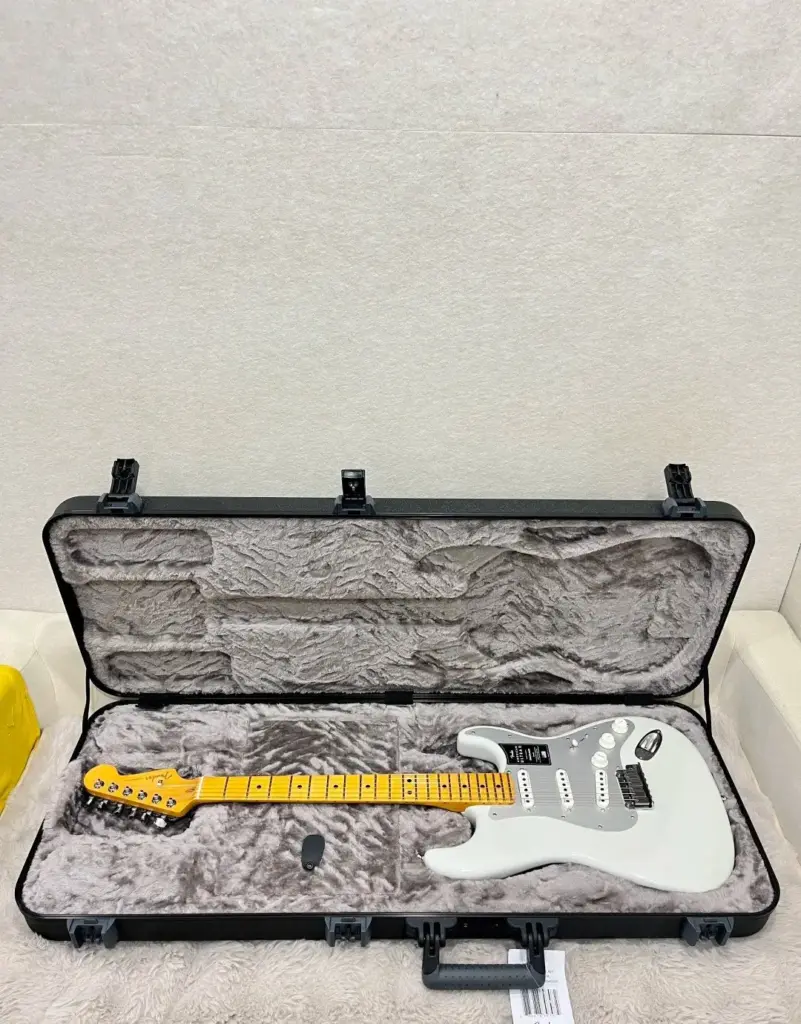
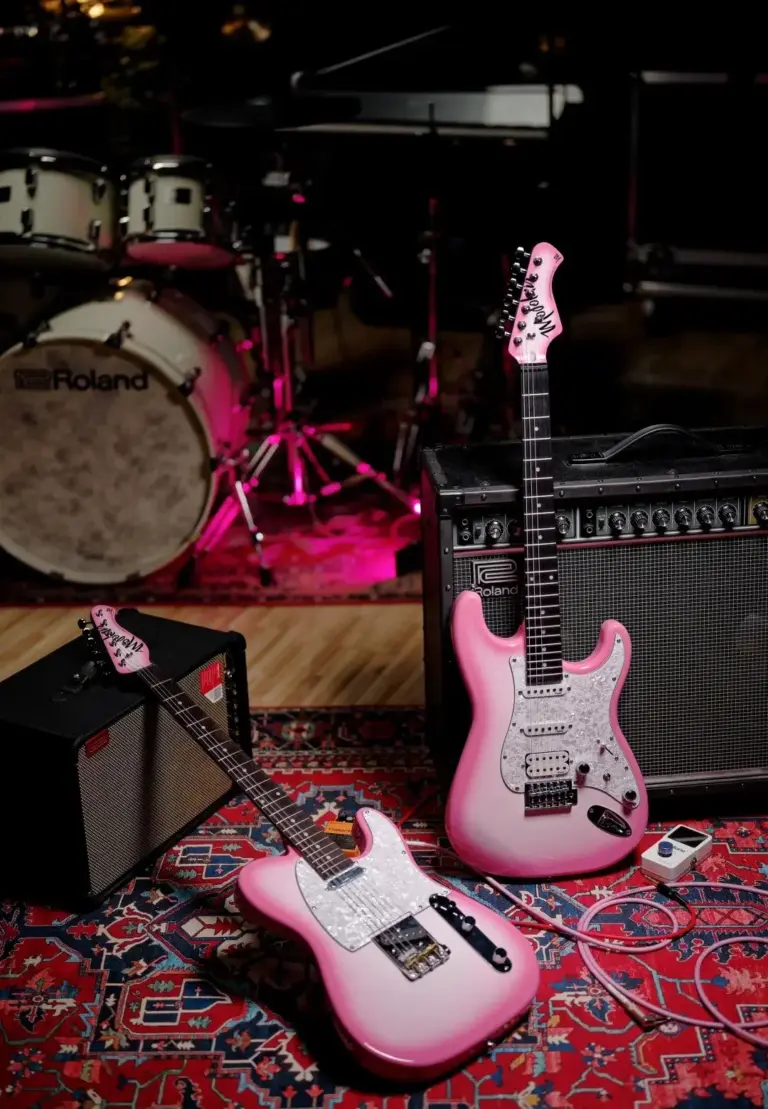
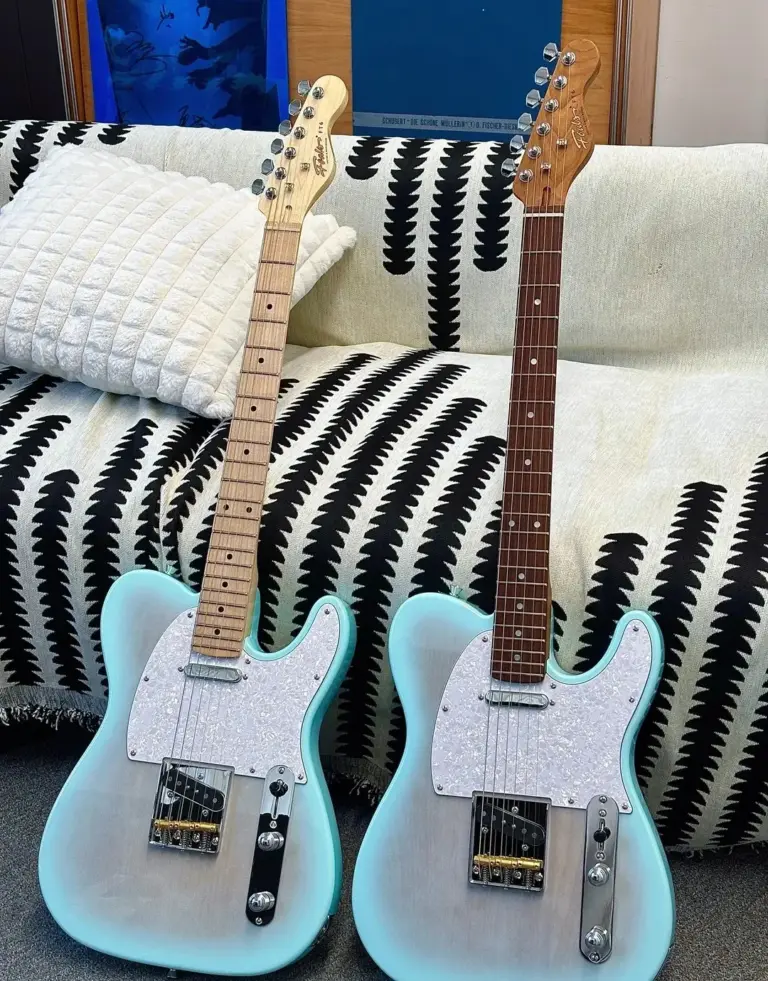
Fender (Stratocaster, Telecaster) uses single-coil pickups and a 25.5″ scale: bright, snappy, articulate, with sparkling cleans. Gibson (Les Paul, SG) uses humbuckers and a 24.75″ scale: thick, warm, powerful, with effortless sustain and a meatier overdrive.
Feel and playability
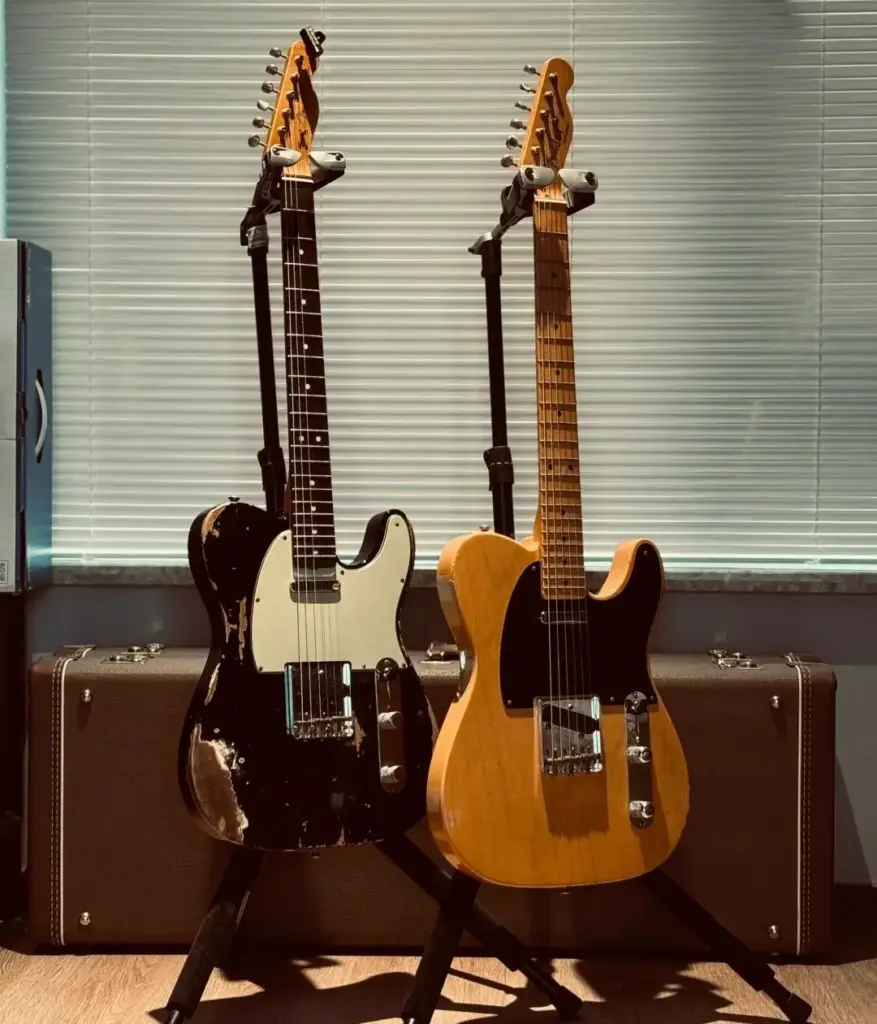
Fender’s longer scale gives tighter string tension and a “twangier” response; Gibson’s shorter scale feels slinkier and is easier to bend. Les Pauls are heavier; Strats are light and contoured. Body comfort alone sways many players.
Which genres lean which way?
- Fender: blues, funk, country, surf, indie, classic rock cleans.
- Gibson: rock, hard rock, metal, jazz, anything needing sustain and thickness.
Plenty of legends crossed over, so treat this as a starting point, not a rule.
Budget alternatives
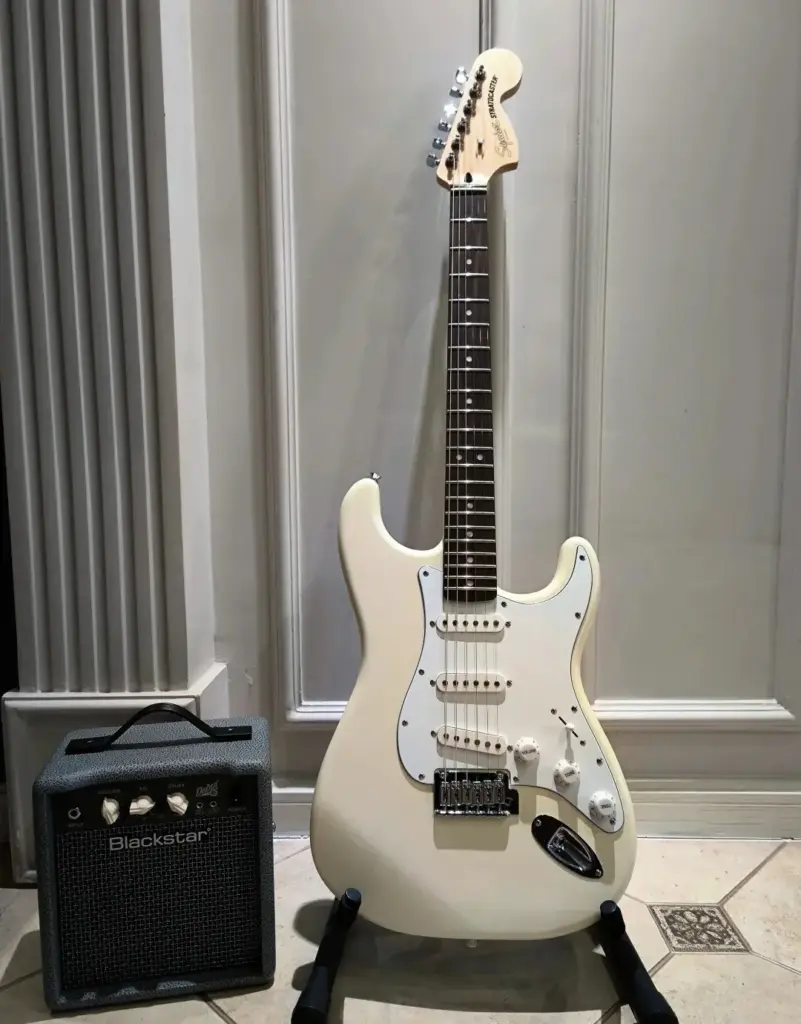
You don’t need the originals to get the sound: Squier (Fender’s line) and Epiphone (Gibson’s line) deliver the same designs affordably — compared in our Squier vs Epiphone guide.
This page contains affiliate links. If you buy through them, we may earn a commission at no extra cost to you.
Scale length: the number behind the feel
The 25.5″ versus 24.75″ scale-length difference sounds like a technicality, but you feel it the moment you play. Scale length is the distance the strings vibrate between nut and bridge. Fender’s longer 25.5″ scale puts the strings under slightly higher tension at the same tuning, which gives that tight, snappy, bell-like attack and a bit more resistance under the fingers. Gibson’s shorter 24.75″ scale relaxes the tension, so the strings feel slinkier, bends come more easily, and the tone leans warmer and rounder.
Neither is better — it’s a genuine trade-off. Players who love aggressive picking dynamics and bright cleans gravitate to the Fender feel; those who want effortless bends and a thick, singing sustain lean Gibson. If you have small hands or find bends a struggle, the shorter Gibson scale can be noticeably friendlier.
The build details behind the tone
Beyond pickups and scale, two construction choices shape the character of each brand. Neck joint: Fenders typically use a bolt-on neck, which adds to the snappy attack and makes repairs and swaps easy; Gibsons use a glued set neck, which many feel improves sustain and gives a more “connected” feel. Body woods: the classic Fender uses alder or ash for a balanced, bright voice, while the classic Les Paul pairs a mahogany body with a maple top for warmth plus a bit of cut and clarity.
These details are why two guitars with similar pickups can still sound distinct. But remember that pickups and your amp settings do the heaviest lifting in the tone — the wood and neck joint refine the character rather than define it.
Trying before you buy: what to listen and feel for
If you can get to a shop, a few minutes with each guitar tells you more than any spec sheet. Feel the neck — a Strat’s slim profile and a Les Paul’s rounder neck suit different hands. Play the same clean chord on both and notice which brightness you prefer. Then add some overdrive and hear how the single-coils stay articulate while the humbuckers thicken up. Finally, check comfort standing up: a Les Paul’s weight and a Strat’s contoured body feel very different over an hour. Comfort and inspiration matter as much as tone — the guitar you reach for is the one you’ll actually improve on.
FAQ
Is Fender or Gibson better for beginners?
Neither is inherently better, but many beginners find the Fender/Strat style slightly more forgiving thanks to its comfortable, contoured body and versatile tones. That said, the more important factors are that the guitar is set up well and suits the music you want to play.
Can I get these tones without buying Fender or Gibson?
Yes. Squier (Fender’s budget line) and Epiphone (Gibson’s) deliver the same designs and very similar tones for far less. For most players starting out, these are the sensible way to get the Fender or Gibson sound.
Why is the Les Paul so much heavier?
Its solid mahogany body with a maple top is dense, whereas a Strat uses lighter woods and a contoured shape. The weight contributes to the Les Paul’s sustain, but it can be tiring over long sessions — worth trying one standing up before you buy.
The verdict
Pick by the sound and feel you want, not the logo. Try both if you can. For the full landscape of types, woods and pickups, see our electric guitar buyer’s guide, and understand the pickups behind the tone in our single-coil vs humbucker guide.