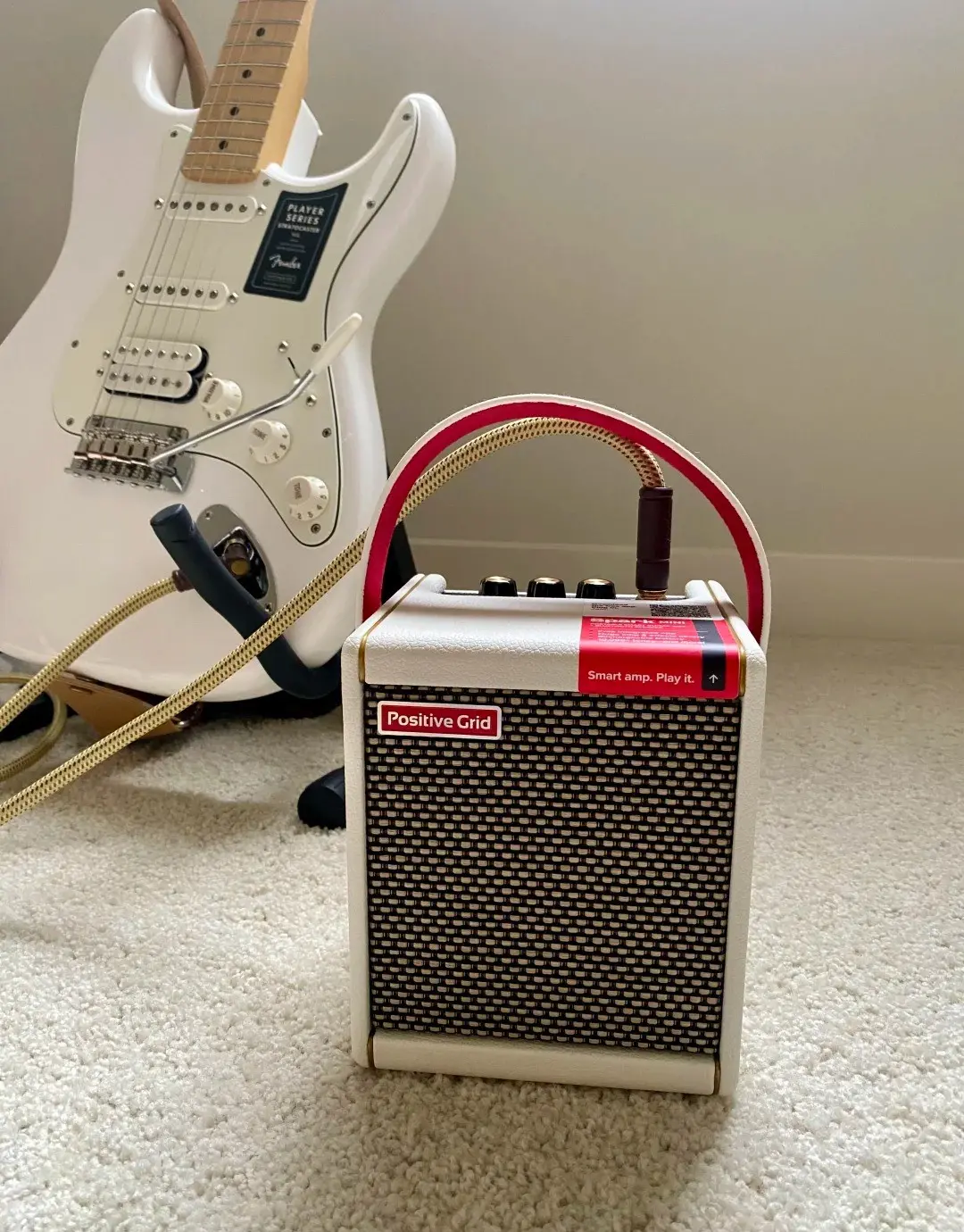
Best Guitar Amps for Home Practice
The best amp for home practice isn’t the loudest or most expensive — it’s the one you’ll actually use without annoying the neighbours. Here’s what matters when buying a practice amp, and which type to choose.
Keep the wattage low
For a flat or bedroom, 5–20 watts is plenty. High-wattage tube amps need volume to sound their best — useless (and antisocial) at home. Lower-powered amps let you get good tone at livable levels.
Modeling amps are the practical winner
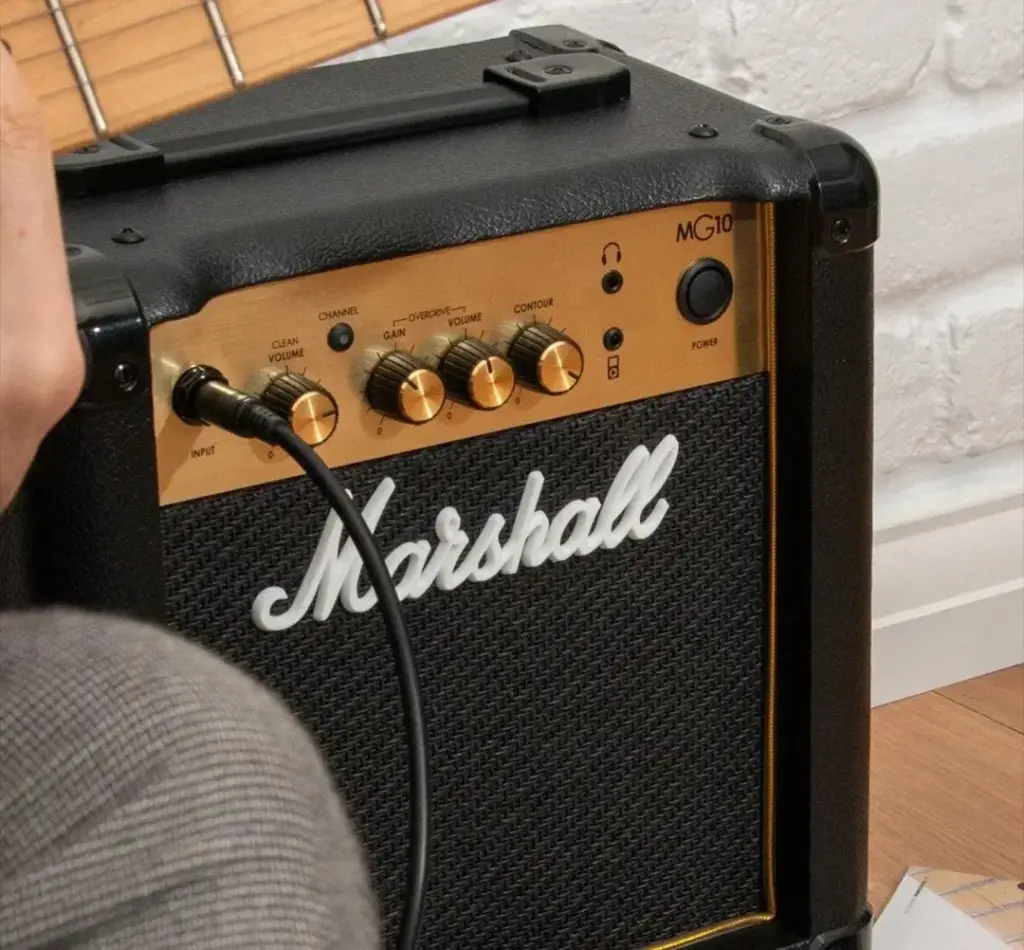
A small modeling amp packs many amp voices and effects into one box, with presets for clean, crunch and high-gain. For the price and versatility, it’s the most sensible home choice today — and you can explore tones without buying pedals.
Headphone output is a game-changer
Silent practice via headphones means you can play any time without disturbing anyone. Many modern practice amps (and tiny “headphone amps”) offer this — a must for apartments.
This page contains affiliate links. If you buy through them, we may earn a commission at no extra cost to you.
Built-in features worth having
- Aux/Bluetooth in to play along with tracks.
- Onboard effects (reverb, delay, drive).
- A tuner and simple presets.
Tube vs solid-state vs modeling
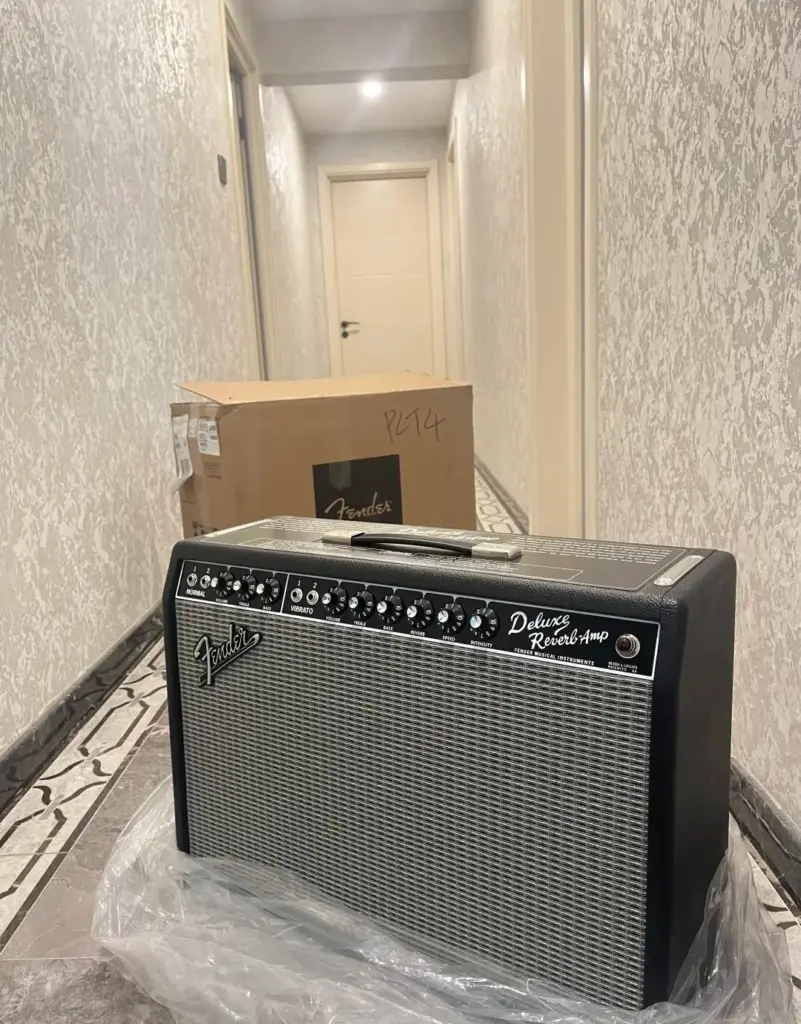
Watts, decibels and the loudness myth
Beginners often assume more watts means better tone, but for home practice the opposite is closer to the truth. Watts measure power, not quality, and a high-wattage amp only sounds its best when pushed to volumes that are impractical (and antisocial) in a flat. Worse, loudness doesn’t scale the way you’d expect: doubling the wattage adds only a small increase in perceived volume, because our ears respond to sound logarithmically. A 10-watt amp is already loud enough to be uncomfortable indoors.
For a bedroom or apartment, 5 to 20 watts is ample, and lower-powered amps let you reach a satisfying tone at a livable level. Save the big amps for a band rehearsal or stage, where the extra headroom actually earns its keep.
Speaker size, and why small amps can sound big
An amp’s tone isn’t just about its electronics — the speaker shapes the sound enormously. Larger speakers (10″ or 12″) move more air and give a fuller low end, while small practice amps with a 6.5″ or 8″ speaker sound tighter and more focused, which is often fine at home. Modern modeling amps compensate cleverly with digital speaker simulation, so even a compact box can produce convincing tones through headphones or a recording interface.
If you want the most tone from a small footprint, look for a modeling amp with a decent-sized speaker and quality onboard effects. It will out-perform a larger, simpler amp played quietly, because it’s designed to sound good at low volume rather than only when cranked.
Headphone amps and interfaces: the silent alternatives
You don’t strictly need a traditional amp at all. Two increasingly popular alternatives suit apartment players especially well. A tiny headphone amp plugs straight into the guitar’s output jack and feeds headphones directly — pocket-sized, cheap and completely silent to everyone but you. Or an audio interface connects the guitar to a computer or phone, letting you use amp-simulator software with a huge range of tones, record your playing, and jam along to backing tracks.
Both options give you full, satisfying tone at zero volume, which is a genuine game-changer for late-night or shared-space practice. Many players keep a small combo amp for feel and a headphone solution for silent sessions.
FAQ
How many watts do I need for home practice?
Very few — 5 to 20 watts is plenty for a bedroom or apartment. High-wattage amps need volume to sound good, which is impractical at home. A small, lower-powered amp gives you great tone at a neighbour-friendly level.
Are modeling amps good for beginners?
They’re arguably the best choice. A modeling amp packs many amp voices and effects into one box, so you can explore clean, crunch and high-gain tones without buying pedals. For versatility and value at home, they’re hard to beat.
Can I practise electric guitar silently?
Yes. Many practice amps have a headphone output, and dedicated headphone amps or audio interfaces let you play at full tone with zero noise. It’s one of the electric guitar’s biggest advantages for apartment living.
If you want the full breakdown of amp technologies, read our pillar guide guitar amps explained. To match your amp to the right guitar, see the electric guitar buyer’s guide.
En français : notre rubrique matériel.