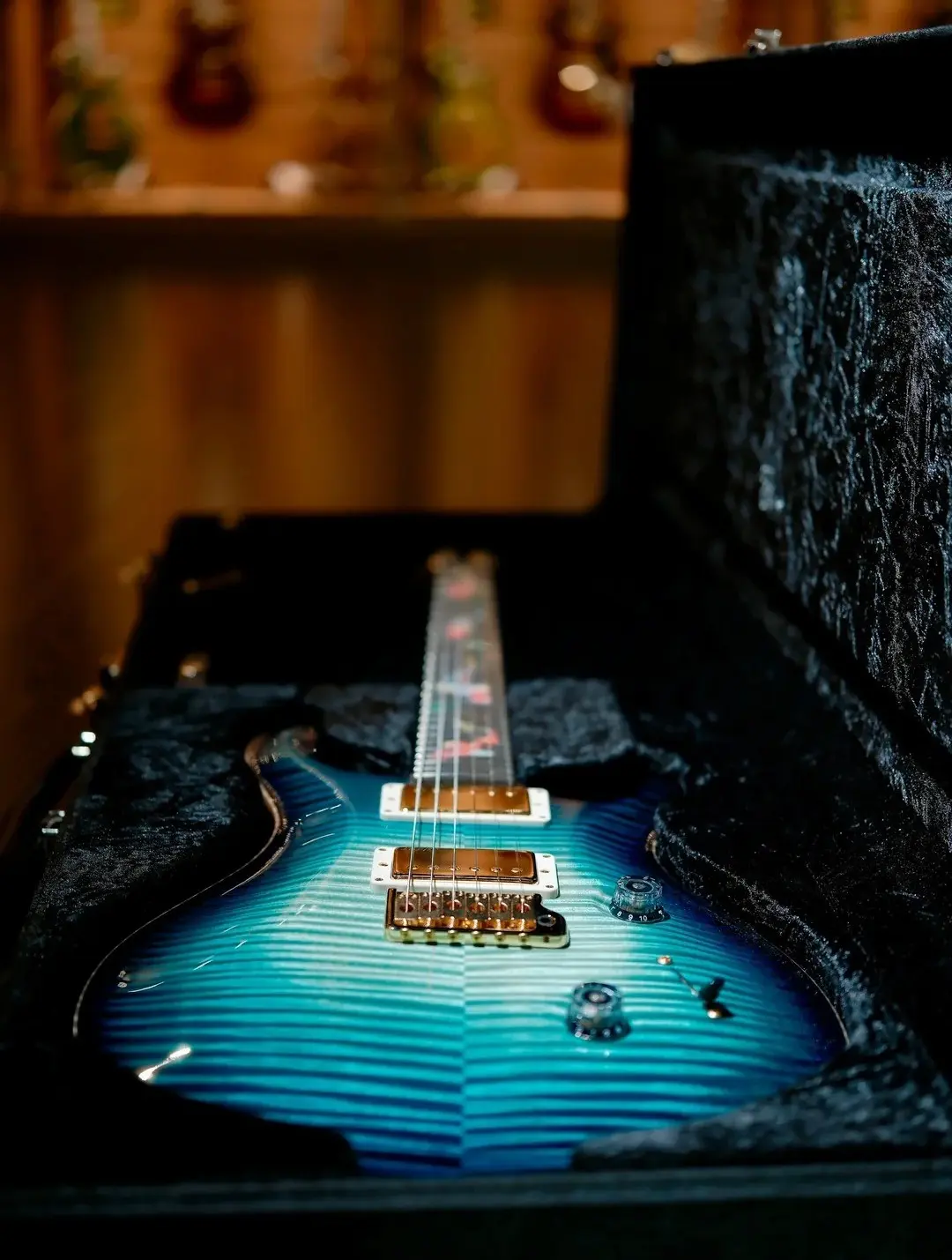
PRS SE: Owner Reviews of the Value-for-Money Favorite
In English-speaking guitar circles, the PRS SE line has a near-cult status as the “value-for-money” mid-range pick. SE Custom 24, SE Standard, the SE Silver Sky — they dominate “best guitar under $1000” threads. But are they as flawless as the hype suggests? Here’s an honest round-up of what owners actually say.
Where these takes come from
A synthesis of recurring opinions from English-speaking communities (r/Guitar, The Gear Page, Ultimate Guitar) and owner reviews, focused on real ownership rather than first impressions.
What owners love
Fit and finish that shames the price
The most repeated praise: SEs arrive almost flawless. Clean fretwork, gorgeous tops, excellent factory setups. Many say the QC is more consistent than rivals at the price.
Genuinely versatile
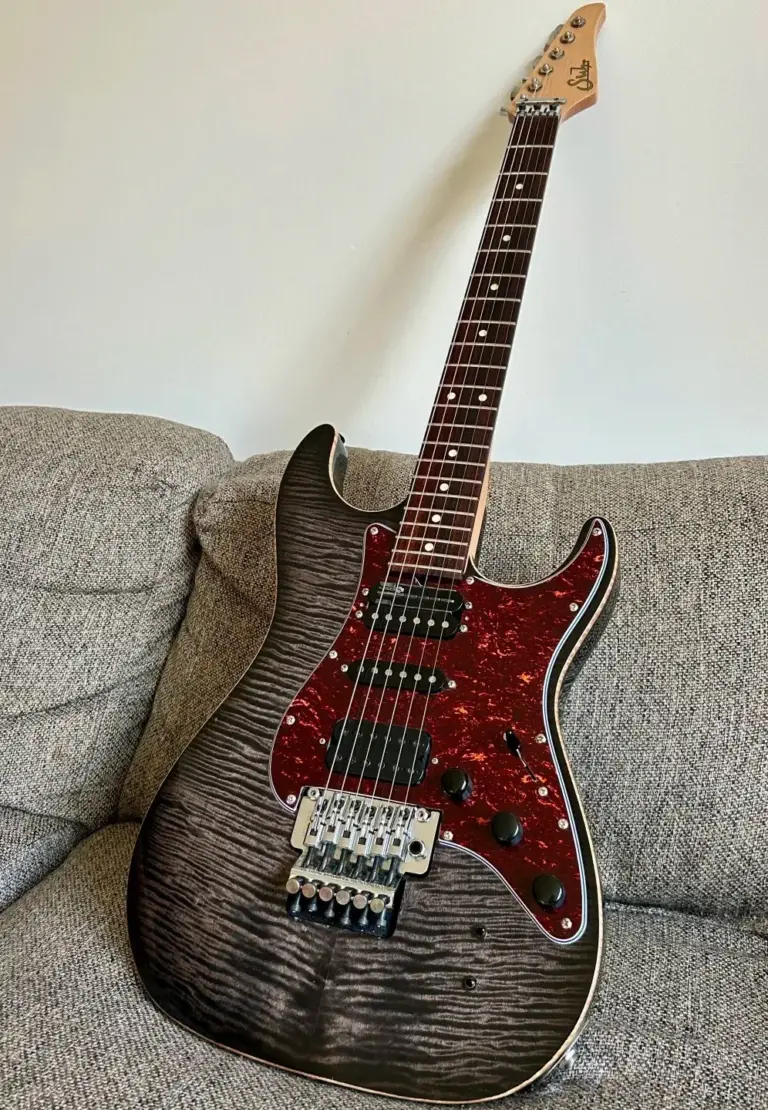
The Custom 24’s pickups and coil-split cover a wide range — from clean to high-gain — making the SE a true “one guitar for everything” for a lot of players.
It feels like a “forever” guitar
Owners frequently say the SE is the guitar that ended their upgrade itch: comfortable neck, reliable hardware, holds tuning well.
What owners flag
1. “Too perfect” for some
An unusual but recurring comment: a few players find SEs a little clinical or “sterile” compared with the character of a quirky Fender or Gibson. Subjective, but it comes up.
2. The neck profile won’t suit everyone
The wide-thin profile is loved by many and disliked by some. As always, try before you buy if you can.
3. Prices have crept up
The SE was once a screaming bargain; owners note prices have risen, so it now competes with used Player-series Fenders and Epiphone “Inspired by Gibson.” Still strong value, but the gap has narrowed.
4. Stock pickups divide opinion
Most are happy, but some swap the pickups to taste — a common, easy upgrade.
The SE models side by side
Before you go anywhere near a checkout, here is how the models that come up most often in owner threads compare, next to the two rivals owners keep measuring them against. Prices are wide ranges observed in 2026 for new guitars; they move with promotions and finishes, so check current listings.
| Model | Best for | Strengths | Weaknesses | Price range observed 2026 |
|---|---|---|---|---|
| PRS SE Custom 24 | The one-guitar-for-everything player | Coil-split humbuckers, superb fit and finish, stable tremolo | Wide-thin neck divides opinion; price has crept up | Roughly $800–$1,000, check current listings |
| PRS SE Standard 24 | Value hunters who want the Custom 24 recipe | Same core design and neck feel at a lower price | Plainer looks, simpler appointments | Roughly $500–$700, check current listings |
| PRS SE Silver Sky | Players after Fender-style single-coil tones | Bright, articulate voice with PRS build consistency | Not a humbucker guitar; a very different feel from the Custom 24 | Roughly $800–$950, check current listings |
| PRS SE McCarty 594 | Les Paul-leaning players who want a fatter voice | Warmer, thicker tone; two-humbucker stoptail design | Heavier and less “shred” oriented; higher price | Roughly $900–$1,100, check current listings |
| Fender Player Stratocaster (used) | Vintage character and resale strength | Classic single-coil voice, enormous used market | Less consistent out of the box than an SE | Roughly $450–$650 used, check current listings |
| Epiphone Les Paul Standard 50s | Gibson-style tones for less | ProBucker pickups, big sustain, modern fretwork | Heavy; the occasional QC outlier | Roughly $550–$750, check current listings |
This page contains affiliate links. If you buy through them, we may earn a commission at no extra cost to you.
The SE range explained
Part of what fuels the SE’s reputation is how coherent the range is, and owners often clarify the line-up for newcomers. The SE Custom 24 is the flagship all-rounder — a versatile humbucker guitar with a coil-split that covers clean to high-gain, and the model that dominates “best under $1000” threads. The SE Standard series offers the same core designs at a lower price with simpler appointments, which owners frequently flag as the smart value pick. The SE Silver Sky, a single-coil design, sits apart as the choice for players wanting Fender-style tones with PRS build quality. Knowing which is which helps you match the SE to the sound you actually want, since they are not interchangeable in voice.
SE versus Fender Player and Epiphone at the price
A recurring and honest thread in the community is that the SE no longer has the price bracket to itself. As owners note that prices have crept up, the SE now competes directly with used Fender Player-series guitars and Epiphone Inspired by Gibson models. The consensus framing is roughly this: the SE typically wins on fit, finish and out-of-the-box consistency, often arriving almost flawless with excellent fretwork; the Fender Player brings that classic single-coil character and resale strength; and the Epiphone offers Gibson-style tones for less. None is a wrong choice — the SE’s edge is refinement and versatility, and the point where players suggest looking at the alternatives is if they specifically crave vintage character over polish.
Living with the wide-thin neck
The most practical caveat owners raise is the neck. PRS’s wide-thin profile is a genuine love-or-leave-it detail: many players adore how fast and comfortable it feels, while some find it doesn’t suit their hands. Because it’s so central to the playing experience, the near-universal advice is to try the neck before committing if you possibly can, or to buy from somewhere with a return policy. Owners who get on with it tend to describe the SE as a “forever” guitar that ended their upgrade itch; the profile is not a flaw, simply a strong character that rewards a quick test first.
New or used: what to check on an SE
Because SEs hold up so well, the used market is full of them, and a two- or three-year-old Custom 24 often costs a good deal less than a new one. Owners who buy used report very few horror stories, but there are a handful of things I would check before handing over the money.
On a used SE
- The tremolo: on Custom 24 and Standard 24 models, make sure the bridge sits parallel to the body and returns to pitch after a dive. A previous owner may have blocked or decked it, which is fine, but you want to know before you buy.
- Fret wear: SEs get played a lot precisely because they are comfortable. Look for flat spots under the first five frets and check for buzz when you fret the same note up the neck.
- The coil-split: pull up the tone knob and make sure the sound thins out cleanly. A scratchy or dead split is cheap to fix, but it is a fair bargaining point.
- The top: purely cosmetic, but the flame veneer is a big part of why people buy these, so look at it under good light for dings and finish cracks.
On a new SE
Buying new is mostly about the return window. Because the neck profile is the one thing you cannot change, I would only buy a new SE from a retailer with a no-fuss return policy, and I would spend the first evening playing it unplugged to decide whether the wide-thin profile suits my hands. The factory setup is usually excellent, but a quick check of the action and intonation never hurts; if anything feels off, a professional setup is cheap insurance, for the reasons laid out in why “just get it set up” is the best advice in guitar.
The upgrades that matter (and the ones that don’t)
A recurring theme in SE threads is that the guitar needs very little. Still, a few upgrades come up again and again as worthwhile, and a few others are, in my view, money better spent on lessons.
- Pickups (worth it if you have a specific sound in mind): the stock pickups on the Custom 24 are perfectly usable, but players chasing a particular vintage PAF flavour or a modern high-output voice often swap them. This is the single most common SE upgrade, and the guitar is built well enough to deserve good pickups. If you are not even sure you want humbuckers, read our single-coil vs humbucker guide first.
- Locking tuners (nice to have): the stock tuners hold tune fine; locking tuners mainly make string changes faster and add a bit of confidence if you use the trem hard.
- A professional setup (always): the cheapest upgrade with the biggest effect, especially if you play a different string gauge from the factory set.
- Skip it: swapping the nut, bridge or electronics “because it’s not the US model” rarely produces a difference owners can actually hear. Play it first, and upgrade only what bothers you.
Which amp to pair it with
An SE is versatile enough that it exposes a bad amp rather than hiding it, so the pairing matters. For home practice and the widest range of tones, the modelling combos owners praise most are a natural fit: the Boss Katana family and the Fender Mustang LT line cover clean, crunch and high gain without breaking the budget, and the coil-split gives you a convincing single-coil flavour through the cleaner channels. Our Boss Katana owner reviews cover the most popular option in detail. If you already own a tube amp, the SE’s humbuckers push a crunch channel very nicely; the Silver Sky, by contrast, shines through a clean amp with plenty of headroom, where its single-coils can breathe. Whatever you choose, budget for it: a great guitar through a poor amp is the most common disappointment I see in beginners’ rigs, and our amps explained guide will help you avoid it.
Where the SE fits
The SE is the go-to once you’re past pure entry level and want a do-it-all guitar that feels premium without a US-made price. It’s less for players chasing vintage quirk and character. Compare with our Fender vs Gibson breakdown.
My honest take
The community love is justified: the PRS SE is one of the most consistent, versatile guitars at its price. The “too perfect” critique is really a compliment in disguise — and the only real watch-out is that rising prices now put it in a more crowded field. Try the neck first, and you’ll likely keep it for years.
Riffbound verdict
Who it’s for: the intermediate player who wants one refined, do-it-all guitar in the roughly $500–$1,000 bracket and would rather play than tinker with upgrades.
Who should skip it: players who crave vintage quirk and character, anyone who dislikes a wide, thin neck profile, and pure beginners, who are better served by a Squier or Yamaha at half the price.
The alternative worth a look: an Epiphone Inspired by Gibson Les Paul for a fatter, more classic voice at a similar or lower price.
Based on owner and teacher feedback, no paid testing. How we review.
FAQ
Is the PRS SE worth it?
For versatility and build quality at the price, yes — it’s a long-standing community favorite. Just be aware prices have risen into a competitive bracket.
SE Custom 24 for a first “serious” guitar?
It’s a popular choice: versatile, well-built, and unlikely to be outgrown. Try the wide-thin neck first.
How does it compare to Epiphone or Squier?
It sits a tier above entry level: more refined fit, finish and versatility, at a higher price. For pure beginners, a Squier or Yamaha is the smarter start.
Do I need to change the pickups?
Usually not — most owners are happy. Swapping is an easy option later if you want a specific voicing.
Is the SE Standard 24 as good as the SE Custom 24?
Owners describe it as the same recipe with plainer appointments: the same neck feel and coil-split versatility, with a simpler finish and hardware. If the flamed top doesn’t matter to you, it is the value pick of the range.
Should I buy a used PRS SE?
Yes, with a few checks: the trem returns to pitch, the frets show no flat spots, and the coil-split works cleanly. SEs hold up well, and a lightly used one often costs noticeably less than new.
Sources and method
This synthesis is based on owner and teacher feedback read on the following communities (consulted in 2026), cross-checked against the manufacturer’s published specifications for each model:
- r/Guitar (owner feedback, very high volume)
- Ultimate Guitar (reviews and forums)
- The Gear Page (in-depth gear discussion)
- Manufacturers’ official spec sheets (prsguitars.com, fender.com, epiphone.com)
We receive no free gear and no brand reads our articles. Merchant links are affiliate links: how we work.