Beginner Guitar Buying Mistakes (What Teachers Actually Say)
Guitar teachers see the same buying mistakes over and over — and they cost beginners money, and sometimes their motivation to keep playing. Here’s an honest round-up of what teachers and experienced players in English-speaking communities say are the most common first-guitar buying mistakes, and how to avoid them.
Where these takes come from
A synthesis of advice that comes up again and again from teachers and seasoned players (r/Guitar, Ultimate Guitar, teaching YouTubers). These are the patterns, not one-off opinions.
The most common mistakes
1. Buying the cheapest no-name “starter pack”
The number-one regret: an ultra-cheap unbranded pack often plays badly (high action, sharp frets, poor tuning), which makes learning harder and pushes beginners to quit. Teachers say: buy an established budget brand instead.
2. Skipping the setup
The single most repeated tip: get the guitar set up. High action and bad intonation make even a decent guitar feel awful. A setup is the best money a beginner can spend — see our first guitar guide.
3. Buying blind from a non-returnable seller
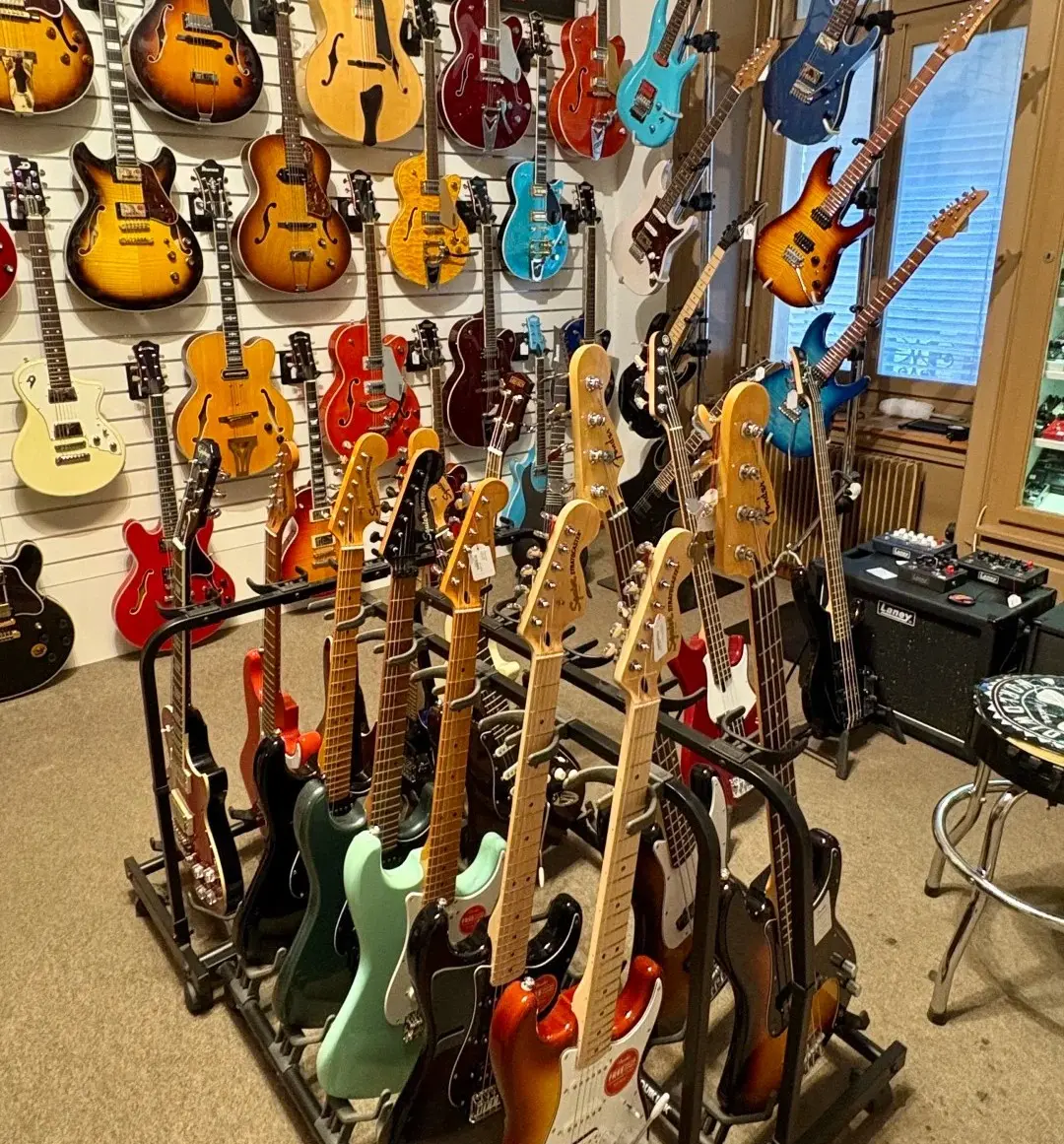
Try it in a shop, or buy from a retailer that includes a setup and easy returns. Teachers warn against random marketplace sellers with no recourse.
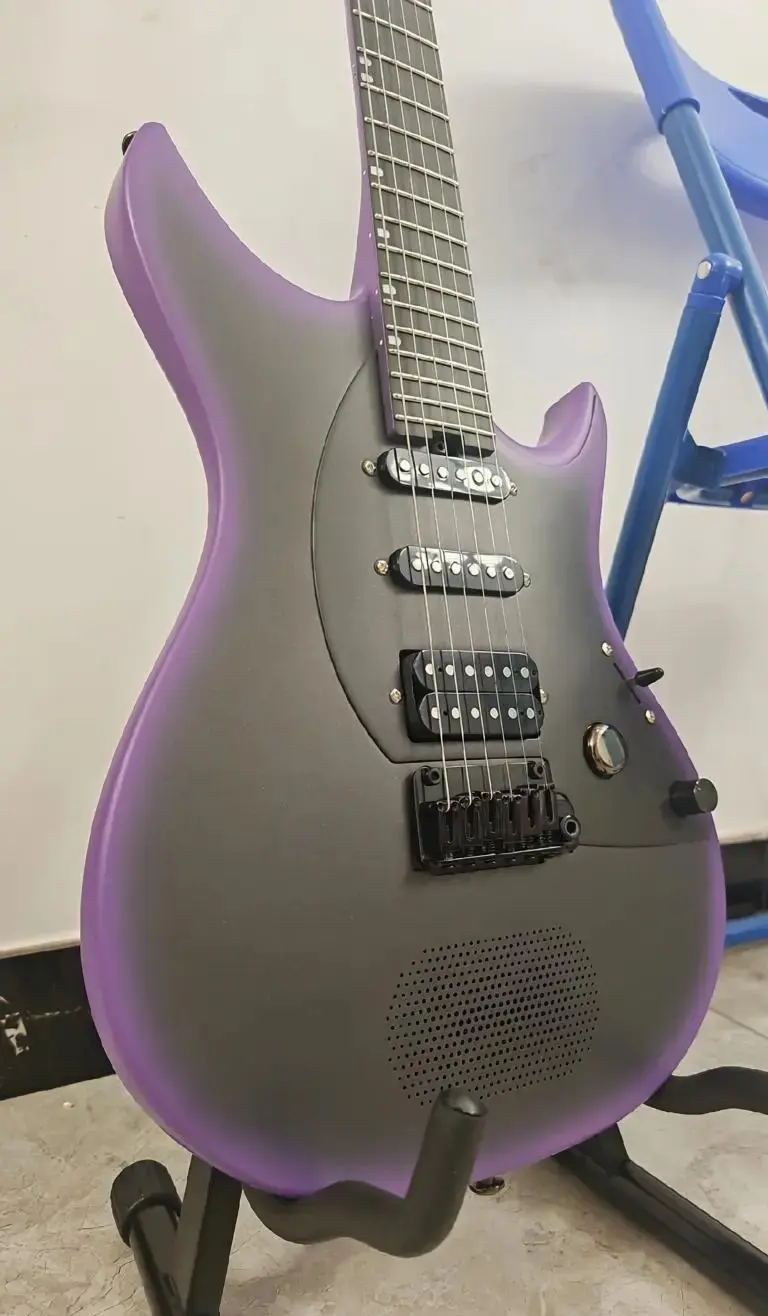
4. Choosing looks over playability
The “cool” pointy or exotic guitar that’s uncomfortable to learn on. Comfort and a friendly neck matter far more than the finish when you’re starting out.
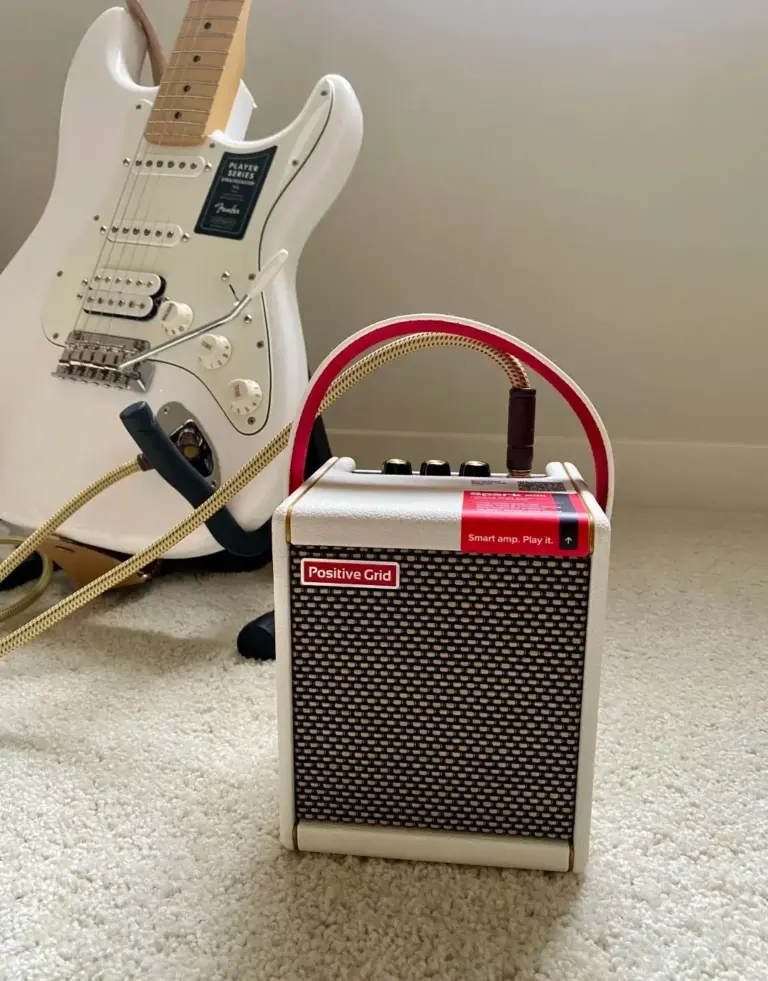
5. Forgetting the amp in the budget
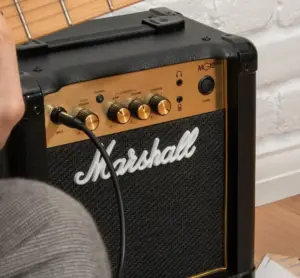
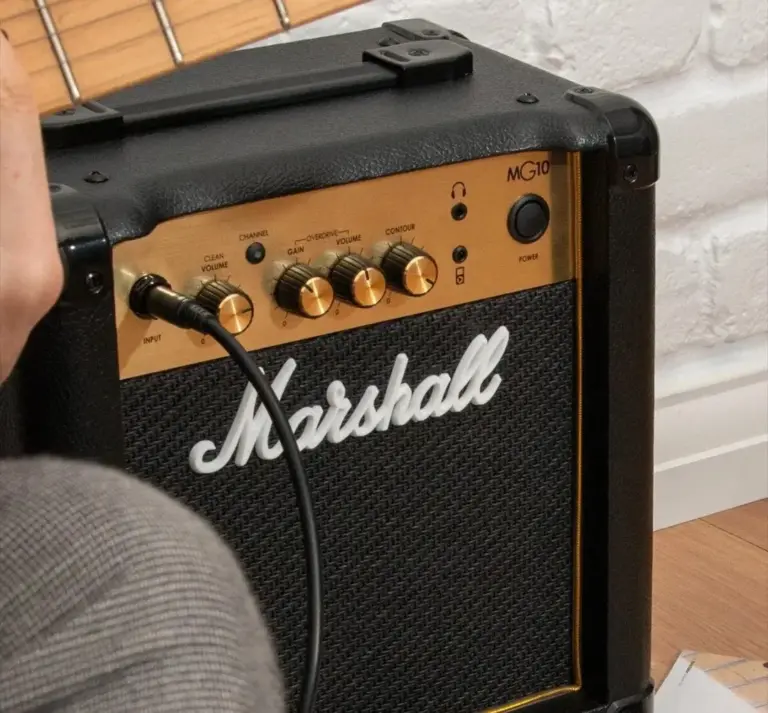
Spending everything on the guitar and getting a tiny, harsh amp. Budget for a decent practice or modeling amp — it hugely affects whether you enjoy playing. See best home practice amps.
6. Starting on a complicated guitar
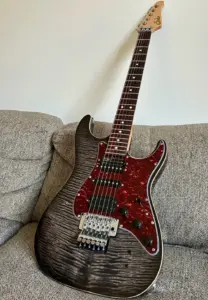
A floating tremolo (Floyd Rose) is a nightmare for a beginner to tune and restring. Teachers recommend a simple fixed/hardtail bridge for a first guitar.
7. Gear acquisition before skills (GAS)
Buying a pile of pedals and gadgets before learning basic chords. The advice is blunt: guitar, amp, tuner — then practice.
8. Wrong size for the player
A full-size dreadnought or heavy electric for a child or small-framed player. Consider a 3/4 size or a short-scale instrument for comfort.
9. The wrong strings
Heavy-gauge strings that hurt new fingers. Lighter strings (and, on acoustic, nylon) make the first months far less painful.
10. Ignoring the used market
A used established-brand guitar almost always beats a new no-name at the same price. Teachers point beginners to the second-hand market for the best value.
The ten mistakes at a glance (and what each fix costs)
Here’s the same list condensed into the table I’d hand a friend before they go shopping. The costs are wide ranges in US dollars observed in 2026 — check current listings, because a setup in a big-city shop costs more than one in a small town, and prices move.
| Mistake | Why it hurts | What to do instead | Typical cost of the fix |
|---|---|---|---|
| 1. No-name starter pack | Sharp frets, high action and tuning drift — you fight the guitar instead of learning | An established budget brand (Squier, Yamaha, Epiphone, Ibanez, Harley Benton) | Roughly $150–$300 for the guitar alone |
| 2. Skipping the setup | Even a good guitar feels stiff and buzzy straight out of the box | A professional setup, or a retailer that includes one | Roughly $40–$100 |
| 3. Buying blind with no returns | A lemon becomes your problem, not the seller’s | Play it in a shop, or buy with a real return window | Free — it’s a choice of seller |
| 4. Looks over playability | An uncomfortable body or neck means less practice | Try the neck shape and the weight; standard shapes first | Free |
| 5. Forgetting the amp | A harsh, tiny amp makes everything sound bad | Reserve part of the budget for a modeling practice amp | Roughly $100–$250 |
| 6. Floating tremolo on a first guitar | Tuning and string changes become a chore | A hardtail or vintage-style bridge | Free at purchase; a tech visit later if you already bought one |
| 7. Gear before skills | Money on pedals, still no chords | Guitar, amp, tuner — then lessons or a method | Saves you money |
| 8. Wrong size | Reach and comfort problems, especially for kids | A 3/4-size or short-scale model | Same price bracket as full size |
| 9. Heavy strings | Sore fingers and early quitting | A light set (9s on electric, 12s on acoustic) or nylon strings | Roughly $5–$15 a set |
| 10. Ignoring the used market | Paying new prices for less guitar | A used established brand, inspected or bought from a shop | Often 30–50% below the new price |
This page contains affiliate links. If you buy through them, we may earn a commission at no extra cost to you.
New or used: what to check before you pay
Teachers push the used market for good reason, but “used” only wins if you know what to look at. I’ve bought and sold enough second-hand guitars to have a short routine, and it takes five minutes.
The five-minute inspection
- Sight down the neck from the headstock end: a slight forward bow is normal, a visible twist or a hump where the neck meets the body is not.
- Play every fret on every string. A dead note or a buzz that a setup can’t cure often means worn or lifted frets — our guide to fret buzz causes and fixes explains what’s cheap to sort and what isn’t.
- Turn every tuner and wiggle every knob. Scratchy pots and slipping tuners are cheap to fix, but they’re a fair bargaining chip.
- Check the electronics on an electric: plug in, flick the selector through every position and listen for crackle or a dead position.
- Look at the bridge and the top on an acoustic: a bridge lifting away from the body or a bellied top means an expensive repair.
When new is the smarter choice
If you’re a total beginner buying alone, a new guitar from a retailer with a proper return window is honestly safer than a marketplace bargain. You don’t yet know what “good” feels like, so you can’t judge a used neck. That’s exactly where an established budget brand shines: the Yamaha Pacifica, the Squier Affinity and Sonic series and the Harley Benton catalogue have become the default recommendations because they arrive consistent, and consistency is what a beginner needs. Our piece on whether Harley Benton is worth importing covers the “order from Europe” question in detail.
What a sensible first budget looks like
Most of the mistakes above come from putting all the money in one place. Here’s how the players who don’t regret their purchase tend to split things, based on the advice that keeps resurfacing in beginner threads. Figures are 2026 US ballparks — check current listings.
- Guitar: roughly $150–$300 for a new established-brand model, or the same money for a better used one.
- Setup: roughly $40–$100, unless the retailer includes it.
- Amp (electric): roughly $100–$250 for a modeling practice amp with a headphone output — see our guide to the best first guitar amp under $200.
- Accessories: roughly $30–$60 for a clip-on tuner, picks, strap, spare strings and a cable — the full list is in essential guitar accessories for beginners.
Add that up and a complete electric starter rig lands somewhere around $350–$600. That’s more than a bundle-in-a-box costs, and it’s also the difference between a guitar you keep and one you sell six months later at a loss.
Before you order: the checklist
Keep this on your phone. If you can tick every line, you’ve dodged the classic regrets.
- The brand is an established one (Yamaha, Squier, Epiphone, Ibanez, Harley Benton, Cort, Jackson, ESP LTD…), not a name you’ve never seen anywhere else.
- The bridge is fixed or vintage-style, not a locking floating tremolo.
- The size suits the player: 3/4 or short-scale for kids and smaller frames, standard for adults.
- A setup is either included or budgeted — read “just get it set up” if you’re not convinced yet.
- The seller offers returns, or you’ve played the exact guitar in person.
- There’s money left for an amp (electric) and a set of light strings.
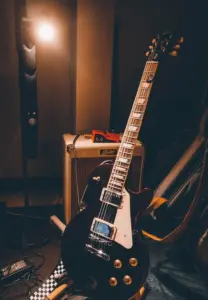
- You’ve picked a body shape you can sit with for an hour — our Les Paul vs Stratocaster for beginners comparison covers the two most common ones.
The golden rule teachers repeat
It all comes down to one thing: a well-set-up, established-brand guitar that’s comfortable to play means you’ll actually pick it up — and that’s what makes you improve. Everything else is secondary. Browse our best electric guitars under $500 to start on the right foot.
My honest take
Almost every beginner buying mistake traces back to two things: choosing a no-name over an established brand, and skipping the setup. Fix those two and you’ve avoided most of the regret. Add a decent amp and light strings, and you’re set up to succeed.
Riffbound verdict
Who it’s for: anyone buying a first guitar for themselves or for a child who wants to spend once, not twice — the “established brand + setup + light strings” recipe is the one that keeps beginners playing.
Who should skip it: players who already own a decent guitar that feels stiff. You don’t need a new instrument, you need the cheapest fix on this page: a setup.
The alternative worth a look: if the budget is genuinely tight, a used Squier Affinity or Yamaha Pacifica plus a setup beats any new no-name pack — see our Pacifica 112V vs Squier Affinity Stratocaster comparison.
Based on owner and teacher feedback, no paid testing. How we review.
FAQ
What’s the biggest first-guitar mistake?
Buying an ultra-cheap no-name and not getting it set up. Both make playing harder and discourage practice.
New or used for a first guitar?
Used is often the best value — a second-hand established brand beats a new no-name. Just inspect it (or buy from a shop with returns).
How much should a beginner spend?
Enough for an established budget brand plus a setup and a basic amp — that combination matters far more than chasing the absolute cheapest price.
Which first guitar do teachers recommend?
Reliable, comfortable picks like a Squier, Yamaha Pacifica or Epiphone — see our Squier and Pacifica reviews.
Is a starter pack always a mistake?
No. A pack built around an established-brand guitar (Squier, Yamaha, Ibanez, Epiphone) with a small practice amp is a perfectly sensible way to buy. The regret comes from unbranded packs with no support, no setup and no resale value. Look at the guitar model inside the pack, not the price on the box.
Should a beginner avoid a Floyd Rose completely?
For a first guitar, yes. A locking floating tremolo makes tuning, string changes and even a gauge change a fiddly job, and beginners tend to leave the guitar out of tune rather than deal with it. Learn on a hardtail, and buy the Floyd later if your style actually calls for it.
Sources and method
This synthesis is based on owner and teacher feedback read on the following communities (consulted in 2026), cross-checked against what I see in lessons and in second-hand deals:
- r/Guitar (owner feedback, very high volume)
- Ultimate Guitar (reviews and forums)
- Manufacturers’ official spec sheets (yamaha.com, fender.com, epiphone.com, ibanez.com) for bridge types, scale lengths and sizes
We receive no free gear and no brand reads our articles. Merchant links are affiliate links: how we work.