Squier vs Epiphone: What Owners Say After Living With Them
Squier or Epiphone? It’s one of the great beginner debates in English-speaking forums. We’ve covered the head-to-head spec comparison elsewhere — this piece is about what owners say after living with each: how they hold up, what they’re best at, and which player each one really suits.
Where these takes come from
A synthesis of long-term owner opinions across English-speaking communities (r/Guitar, Ultimate Guitar). For the straight feature-by-feature comparison, see our Squier vs Epiphone guide.
The core difference owners come back to
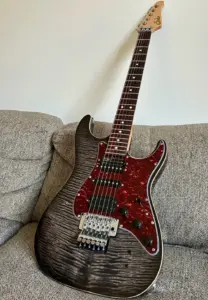
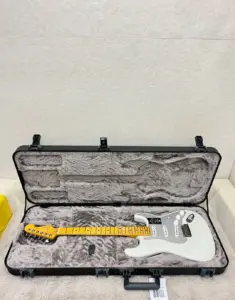
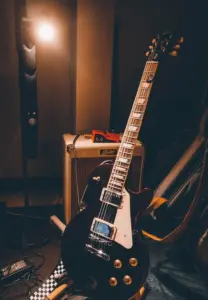
It really comes down to two different worlds: Squier = Fender DNA (Strat/Tele shapes, single-coils, bolt-on necks, lighter bodies, bright and versatile), while Epiphone = Gibson DNA (Les Paul/SG shapes, humbuckers, set necks, heavier, thick and warm). Neither is “better” — they’re built for different sounds.
What Squier owners say long-term
Light, versatile, easy to live with
Owners love the comfort and the spread of usable tones — sparkling cleans, funk, blues, classic rock. It’s also the easier platform to set up and mod yourself.
The trade-offs
Lower output than humbuckers, and single-coil hum in high-gain or noisy environments. For heavy styles, owners often add a humbucker or look to Epiphone.
What Epiphone owners say long-term
Thick, rock-ready tone and sustain
The humbucker warmth and sustain make Epiphones the pick for rock, blues-rock and metal. The set-neck feel is a favorite for lead playing.
The trade-offs
Weight is the recurring gripe (a Les Paul is heavy), and the nicest models cost more than an entry Squier. Some neck dive on straps.
Reliability, QC and resale
Owners report similar realities: both are strong value, both benefit hugely from a setup, both are great mod platforms, and both hold value reasonably for budget guitars. QC is good on modern examples of either — inspect on arrival or buy with returns.
The models that keep coming up, side by side
When owners talk about “my Squier” or “my Epiphone,” these are the guitars they usually mean. The price column shows wide ranges observed in 2026 for new instruments; finishes and promotions move them, so check current listings.
| Model | Best for | Strengths | Weaknesses | Price range observed 2026 |
|---|---|---|---|---|
| Squier Affinity Stratocaster / Telecaster | First guitar on a tight budget, mod platform | Light, comfortable, cheap used, simple to work on | Ceramic pickups, basic tuners, variable fret ends | Roughly $220–$320 (check current listings) |
| Squier Classic Vibe Stratocaster / Telecaster | Anyone who wants a Fender feel without the Fender price | Alnico pickups, excellent neck, vintage looks, holds value | Single-coil hum with gain; still wants a setup | Roughly $400–$550 (check current listings) |
| Epiphone Les Paul Special (bolt-on entry models) | Rock beginners on a strict budget | Humbucker thickness at Affinity money, lighter than a full Les Paul | Bolt-on neck and flat body, so not the “real” Les Paul feel owners rave about | Roughly $200–$300 (check current listings) |
| Epiphone Les Paul Studio | Rock and blues players who want the set-neck experience | Set neck, two humbuckers, sustain, no binding to worry about | Heavy; less versatile for clean styles | Roughly $450–$650 (check current listings) |
| Epiphone Les Paul Standard ’50s / ’60s (Inspired by Gibson) | The player who wants the closest thing to a Gibson | Closest to the Gibson feel and tone, strong resale, great lead-guitar neck | Heaviest of the group; the priciest option here | Roughly $550–$750 (check current listings) |
| Epiphone SG Standard | Rock players who want humbuckers without the Les Paul weight | Much lighter than a Les Paul, easy upper-fret access, thick tone | Neck dive on a strap is the recurring complaint | Roughly $450–$600 (check current listings) |
This page contains affiliate links. If you buy through them, we may earn a commission at no extra cost to you.
The models owners actually recommend
When the discussion moves from brands to specific guitars, long-term owners consistently point to the same standout tiers. On the Squier side, the Classic Vibe series is the repeated recommendation — owners describe it as needing little more than a setup to compete well above its price, while the entry Bullet and Affinity models are seen as perfectly good first guitars on a tighter budget. On the Epiphone side, the Inspired by Gibson range draws the strongest praise for getting genuinely close to the Gibson feel and tone, with the Special and Standard tiers filling the entry positions. The practical advice that emerges is to stretch to those flagship budget tiers if you can, since owners report they’re the ones least likely to be outgrown.
The setup and upgrade reality
If there’s one thing owners of both brands agree on, it’s that a proper setup is transformative and non-negotiable. Whichever you buy, a quick adjustment to the action, intonation and neck is repeatedly described as the best money spent after the purchase — often the difference between a guitar that frustrates and one that inspires. Beyond that, both are excellent modding platforms: pickup swaps, better tuners and a decent nut are the common upgrades owners mention, and the Squier’s bolt-on simplicity makes it especially easy to tinker with. The recurring reassurance is that neither guitar needs upgrades to be enjoyable — they simply reward them if you choose to go further.
Weight, comfort and playing position
A practical theme in long-term reviews is how differently the two feel over a full session. Squiers — with their lighter, contoured Strat and Tele bodies — are the repeated pick for comfort, easy to play sitting or standing for long stretches. Epiphone Les Pauls draw the most consistent physical gripe: weight. Owners note they can be tiring over a long session, and some report a degree of neck dive on a strap. None of this is a dealbreaker — many players happily accept a Les Paul’s heft for its tone and sustain — but if comfort and long practice sessions are a priority, owners tend to steer beginners toward the lighter Squier as the easier guitar to live with day to day.
The amp question owners keep raising
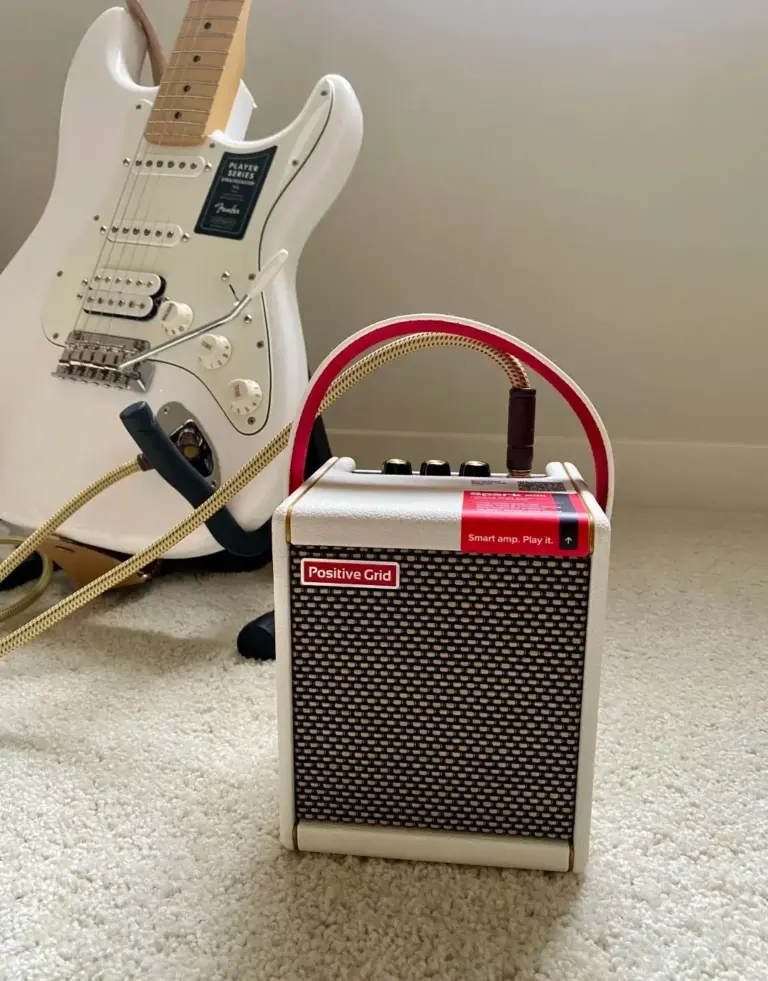
Something that only surfaces in long-term threads, not in launch-day reviews: a lot of the “I regret my choice” posts are really amp complaints in disguise. Single-coil Squiers through a small, dark practice amp sound thin and get blamed for it; Epiphone humbuckers through a tiny amp with no headroom turn to mush at anything above bedroom volume. The pairing owners settle on most often for either brand is a modelling combo with a genuinely clean channel — the Boss Katana is the perennial answer, with the Fender Mustang LT25 and Positive Grid Spark close behind. Squier owners tend to lean on the amp’s clean and edge-of-breakup sounds; Epiphone owners spend their time on the crunch and lead channels. If you’re still deciding, our first amp under $200 round-up covers the trade-offs. And if the single-coil-versus-humbucker question itself is what’s holding you up, this piece on which players suit each pickup is the one to read.
New or used: what to check after a year of ownership
Because this article is about living with these guitars, here is what long-term owners say actually goes wrong — which doubles as an inspection list if you’re buying used.
On a Squier
The tremolo is the usual culprit: an Affinity Strat whose bridge has been pulled up by heavy strings, or whose springs were never balanced, will drift out of tune constantly. Check that the bridge sits flat, that the tuners don’t slip, and that the nut slots aren’t binding (a “ping” when tuning is the giveaway). Scratchy pots and a worn selector switch are common on older examples and cheap to fix. Fret ends that felt sharp on day one usually settle as the wood acclimatises, but deep fret wear in the first position tells you the guitar was played a lot — not a bad sign, just a negotiating one.
On an Epiphone
Weight and neck dive don’t change, so try it on a strap before you buy if you can. On set-neck models, look at the neck joint and the headstock for any hairline cracks — Gibson-style angled headstocks are more vulnerable to knocks than a Fender-style flat one, and a repaired headstock should be priced accordingly. Check that both humbuckers work in all three switch positions and that the tune-o-matic saddles aren’t rusted or notched to death. On the bolt-on Special models, the same checks as a Squier apply. Whatever you buy, budget for a setup on day one — here is why that advice never goes out of date.
Mistakes owners admit to
- Buying by brand loyalty. The single most common regret in these threads is picking the Les Paul because a hero played one, then discovering the weight and the warm tone weren’t what they actually wanted for their music.
- Buying the entry tier when the flagship tier was affordable. Affinity-then-Classic-Vibe, or Special-then-Studio, within a year is a story owners tell often. If the better tier is within reach, buy it once.
- Ignoring the shape question. The Strat-versus-Les-Paul decision is about ergonomics as much as tone; Les Paul vs Stratocaster for beginners walks through it.
- Skipping the setup to save money. It’s the one expense both camps agree on, and it’s the cheapest thing on this page.
- Judging the guitar through a bad amp. See above — and the wider list of beginner buying mistakes.
So which should you buy?
The community’s honest answer: choose by the sound and shape you want, not by brand. Crave single-coil sparkle and versatility? Squier. Want thick humbucker rock and sustain? Epiphone. Read the deep dives in our Squier owner reviews and Epiphone Inspired by Gibson reviews.
My honest take
There’s no wrong answer here — both are excellent first guitars. Pick the tone you hear in your head (bright/versatile vs thick/rock), get it set up, and you’ll be happy. If you genuinely can’t decide, the lighter, more versatile Squier is the safer all-rounder for a true beginner.
Riffbound verdict
Who it’s for: Squier suits the beginner who wants a light, comfortable guitar that covers clean, blues, funk and classic rock, and who might enjoy tinkering. Epiphone suits the player who already knows rock, blues-rock or metal is the destination and wants humbucker thickness and sustain from day one.
Who should skip it: Skip the Les Paul if long sessions on a strap are your reality and weight bothers you — an SG or a Squier will be kinder. Skip the single-coil Squier if you play high-gain in a noisy room and hum will drive you mad.
The alternative worth a look: The Yamaha Pacifica 112V splits the difference with its HSS layout and famously consistent build — see our Pacifica 112V owner review.
Based on owner and teacher feedback, no paid testing. How we review.
FAQ
Squier or Epiphone for a first guitar?
Both are great. Squier for versatile, single-coil tones and lighter weight; Epiphone for thick humbucker rock and sustain. Choose by sound, not brand.
Which is better for rock and metal?
Epiphone, thanks to its humbuckers — though a humbucker-equipped Squier (or HSS) also handles heavier styles well.
Which is more comfortable?
Squier, generally — lighter and with slimmer bodies. Epiphone Les Pauls are notably heavier.
Do both need a setup?
Yes — a setup transforms either one. It’s the best money you’ll spend after the purchase.
Which holds its value better, Squier or Epiphone?
Owners report similar resale for the flagship budget tiers: a Classic Vibe and an Inspired by Gibson Les Paul both sell used for a fair share of their new price. The entry tiers (Affinity, Sonic, Les Paul Special) lose more in percentage terms simply because they start cheaper — which is exactly why they’re such good used buys.
Is an Epiphone SG a good way to avoid the Les Paul weight?
Yes, and it’s the swap owners suggest most often. The SG Standard keeps the humbuckers and set neck but weighs far less. The trade-off is neck dive on a strap, which a wide strap with a grippy underside largely solves.
Sources and method
This synthesis is based on owner and teacher feedback read on the following communities (consulted in 2026): long-term ownership threads, “one year later” reports, setup and modding discussions and used-buying advice for both brands.
- r/Guitar (owner feedback, very high volume)
- Ultimate Guitar (reviews and forums)
- The Gear Page (in-depth gear discussion)
- Manufacturers’ official spec sheets (fender.com for Squier, epiphone.com for Epiphone, boss.info for the Katana)
We receive no free gear and no brand reads our articles. Merchant links are affiliate links: how we work.